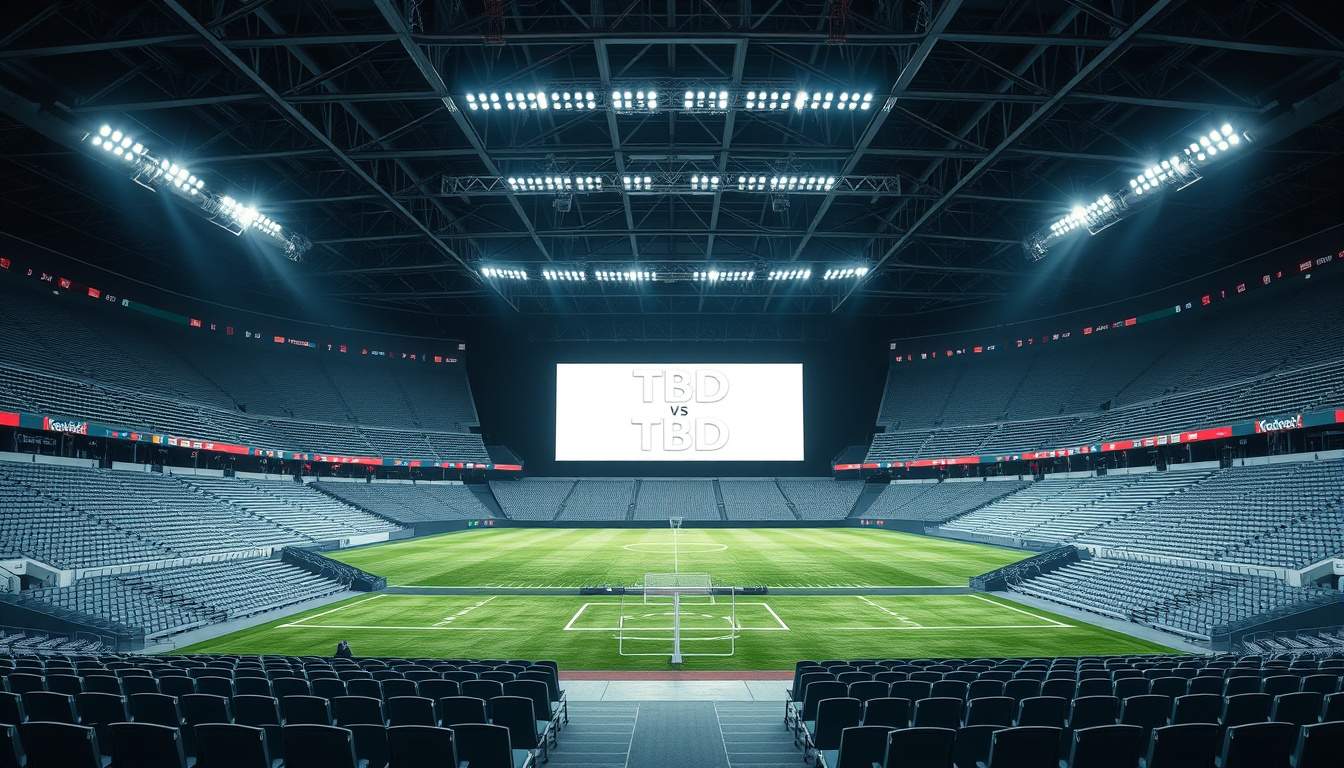
What Are TBD vs TBD Tickets?
TBD vs TBD tickets refer to listings for upcoming playoff or bowl game matchups where the competing teams have not yet been determined. These listings appear when events are scheduled but the official brackets or pairings remain unconfirmed, which is common in NFL playoffs, NBA postseason races, and college football bowl games. Buyers purchase tickets knowing only the date, venue, and round—not the specific teams that will compete.
The practice has become standard across major sports leagues as ticket issuers seek to maximize early sales revenue. For buyers, TBD listings present both opportunities and challenges. Early purchasers can sometimes secure significantly lower prices than those buying after matchups are locked in, but they accept the risk that the eventual game may not match their preferences or schedule.
Understanding how TBD ticket markets operate, where to purchase them safely, and what protections exist when matchups change has become essential knowledge for sports fans looking to attend high-demand postseason events without paying premium prices after the schedule is finalized.
TBD stands for “To Be Determined”—meaning the teams or opponents are not yet confirmed on the listing.
NFL playoffs, NBA postseason games, college football bowls, and conference tournaments frequently list as TBD.
Costs range widely from roughly $50 for early-round games up to several thousand dollars for championship events.
SeatGeek, StubHub, Ticketmaster, and Vivid Seats are the primary platforms where TBD tickets are bought and sold.
Key Things to Know Before Buying
- Tickets often go on sale weeks or months before matchups are announced, particularly for NFL Wild Card rounds and college bowl games
- Resale platforms dominate TBD listings because primary issuers like Ticketmaster frequently wait for bracket confirmation
- Refund and change policies vary significantly between sellers, making it critical to read the fine print before purchasing
- Buying early can yield lower prices due to uncertainty discounts, but buyers assume the risk of undesirable matchups
- Price volatility increases dramatically once brackets lock and playoff contenders become known
- Authenticity guarantees and on-time delivery protections differ by marketplace, so selecting reputable sellers matters
- Season ticket holders do not automatically receive postseason tickets, which is why resale markets fill the gap for TBD events
TBD Ticket Snapshot
| Fact | Details |
|---|---|
| TBD Meaning | To Be Determined—teams or opponents are not yet confirmed |
| Common In | NFL playoffs, NBA postseason, college football bowls, conference tournaments |
| Typical Price Range | $50–$500+ depending on sport, round, and demand |
| Refund Risk | Entirely dependent on individual seller policy |
| Best Time to Buy | Early for discounts, or after bracket locks for specific matchup certainty |
| Primary Platforms | SeatGeek, StubHub, Ticketmaster, Vivid Seats |
How Much Do TBD vs TBD Tickets Cost?
Prices for TBD playoff and bowl tickets fluctuate based on sport, round, seat location, and the level of demand at any given moment. Resale platforms set the majority of pricing for these listings because primary ticket issuers typically hold off releasing inventory until matchups are finalized. This dynamic creates distinct pricing patterns across different stages of the postseason calendar.
NFL Playoff Ticket Prices
NFL playoff tickets rank among the most expensive in professional sports. Upper-level Wild Card seats have started around $237 to $256 per ticket, with average prices hovering near $401. Premium seating for conference championship games can reach $8,140 or more, particularly for marquee matchups between storied franchises. The high demand reflects the league’s relatively small number of playoff games and the unpredictability of which teams will qualify heading into the final weeks of the regular season.
The NFL playoff schedule typically begins ticket sales around mid-December, with brackets not finalized until the conclusion of Week 18. This gap means buyers face weeks of uncertainty before knowing which teams will actually compete at their venue.
NBA Playoff and Finals Ticket Prices
NBA postseason pricing scales with each round, creating a clear cost progression that buyers can anticipate. First-round games on resale platforms typically range from $160 to $250 per ticket. Conference semifinals climb to $350–$600, while conference finals regularly exceed $800 for standard admission. Finals tickets represent the highest tier, with entry-level seats starting around $1,800 and courtside seating fetching tens of thousands of dollars per game.
First Round: $160–$250 | Conference Semifinals: $350–$600 | Conference Finals: $800+ | Finals: $1,800+ entry
Several factors influence NBA TBD pricing beyond the round itself. Venue capacity varies significantly—the intimate atmosphere of smaller arenas creates tighter supply than large multipurpose arenas. Weekday games tend to cost less than weekend contests due to lower demand from working attendees. Matchups featuring rivalry dynamics or star players command premiums, while games involving less popular teams may see prices soften closer to tip-off.
What Drives TBD Ticket Prices
- Venue size and seating capacity directly impact supply available for resale
- Matchup anticipation creates hype-driven price spikes before brackets lock
- Game timing affects demand, with weekday contests typically cheaper
- Proximity to the event date causes variable pricing—some tickets drop last-minute while others rise
- Rivalry games and star-driven contests consistently command higher resale prices
- Play-in tournament winners flooding the market late can temporarily depress prices for subsequent rounds
- Early purchases on projected home games often offer better value before official brackets are confirmed
Where and When to Buy TBD Tickets
Navigating the TBD ticket market requires understanding both the available platforms and the strategic timing that maximizes value while minimizing risk. Each resale marketplace offers distinct features, fee structures, and buyer protections that can significantly affect the final cost and experience.
Major Resale Platforms
SeatGeek has established itself as a leading choice for NBA playoff tickets specifically. The platform provides transparent pricing, a Deal Score system that helps buyers assess whether a listing represents good value, and customizable price alerts that notify users when costs drop to their target range. These features prove particularly useful for TBD listings where prices shift frequently as brackets develop.
StubHub maintains strong market presence as a resale leader for major sports playoffs, offering broad inventory across NFL, NBA, and college events. The platform’s FanProtect guarantee provides authenticity verification and delivery assurances that address common concerns with TBD purchases.
Vivid Seats operates as a standard resale option across multiple sports and event types, providing competitive pricing and a marketplace model that connects buyers directly with verified sellers.
Ticketmaster functions as both a primary issuer and resale platform, though it has faced criticism for its market dominance and fee structure. Some buyers prefer to wait for Ticketmaster’s official release of playoff tickets after brackets are confirmed, despite the platform’s higher convenience fees.
SeatGeek offers Deal Score analysis and price alerts ideal for tracking TBD fluctuations. StubHub provides broad playoff inventory with buyer guarantees. Vivid Seats delivers competitive standard resale pricing. Ticketmaster combines primary and resale sales but carries higher fees.
Optimal Timing Strategies
Buying TBD tickets early presents a distinct advantage: uncertainty discounts. Before matchups are confirmed, sellers compete for a smaller pool of willing buyers, which can drive prices below what they will reach once brackets lock. Purchasing before the play-in tournament concludes or before NFL seeds are finalized sometimes yields savings of 20–40% compared to buying the same seats after the schedule becomes certain.
However, waiting until after brackets are confirmed provides the certainty some buyers prefer. Round 1 of the NBA playoffs, for example, offers relatively accessible pricing compared to later rounds, provided buyers act before conference semifinals drive demand and prices upward.
The worst timing for most buyers involves purchasing during the window between bracket finalization and the event itself, when demand peaks and supply tightens simultaneously. Avoiding this window, or conversely targeting last-minute drops when sellers need to offload inventory, can yield significantly better deals.
Understanding TBD Ticket Policies and Protections
The policies governing TBD ticket purchases represent one of the most critical—and frequently misunderstood—aspects of the resale market. Unlike standard event tickets where the product is fully defined, TBD listings involve inherent ambiguity that different sellers handle in markedly different ways.
Authenticity and Refund Guarantees
Reputable ticket services typically guarantee 100% authenticity, on-time delivery, or money back. These guarantees provide meaningful protection against counterfeit tickets, which remain a persistent concern in any resale market. When purchasing TBD tickets specifically, buyers should prioritize sellers offering comprehensive buyer guarantees, as the complexity of postseason logistics increases the potential for delivery issues or authentication problems.
Refund policies for TBD purchases vary considerably. Some sellers allow full refunds if the event is canceled or significantly relocated. Others offer exchanges if the buyer is assigned different seats than purchased. However, the vast majority of resale platforms do not refund purchases simply because a buyer is unhappy with the eventual matchup or scheduling outcome.
Season tickets do not automatically include playoff or bowl game access. Separate postseason tickets must be purchased, which is why resale markets see such heavy TBD activity leading up to championship events.
State Regulations and Market Controls
The resale ticket market faces evolving regulatory pressure across different states. Some jurisdictions have proposed price caps or strict fee limitations on resale transactions, though these measures carry significant trade-offs. Research from policy organizations suggests that aggressive price controls risk disrupting market competition, potentially limiting supply, and creating inconsistencies that ultimately harm both buyers and legitimate sellers.
Advocates for market transparency argue that clearer disclosure requirements serve consumers better than rigid price restrictions. Understanding the regulatory environment in your state can help inform where and how you choose to purchase TBD tickets, particularly if local laws affect seller policies or buyer protections.
Sales Timelines by Sport
- NFL playoff tickets typically begin sales around mid-December, with Wild Card games occurring in early January
- NBA playoffs follow a phased release schedule aligned with regular season conclusion and play-in tournament completion
- College football bowl game tickets often go on sale during the conference championship weekend or shortly thereafter
- Play-in tournaments create an additional layer of uncertainty, as their outcomes directly determine subsequent round matchups and available inventory
Risks and Challenges With TBD Ticket Purchases
TBD ticket purchases carry inherent risks that differ from standard event ticket buying. Acknowledging these challenges upfront helps buyers make informed decisions and take appropriate precautions.
Price Volatility
TBD ticket prices can swing dramatically based on developments that are impossible to predict when making a purchase. Injury news, standings shifts, or unexpected results in qualification games can all trigger rapid price movements. The play-in tournament presents a particularly volatile window, as its winners flood the market late with sudden playoff assignments, creating unpredictable supply surges.
Fraud and Counterfeit Risks
While reputable platforms provide robust protections, the broader resale market includes less scrupulous operators. Purchasing from unauthorized sellers risks receiving counterfeit tickets, invalid transfers, or tickets that fail to arrive before the event. Sticking to verified marketplaces with established buyer guarantees significantly reduces these risks, even if it means paying slightly higher prices for the added security.
Access and Logistics Challenges
Sudden matchup announcements can create serious logistical problems for buyers. Short turnaround times between bracket finalization and game day make travel planning difficult, particularly for events requiring flights or overnight accommodations. Some buyers find themselves unable to attend games assigned to matchups they did not anticipate, with limited recourse for recouping their ticket investment.
Timeline: How TBD Ticket Markets Develop
Understanding the lifecycle of TBD ticket availability helps buyers identify the optimal windows for purchasing at various price points and certainty levels.
- Qualification period begins: Teams compete during the regular season to secure playoff berths, creating initial buzz and speculation about potential matchups
- Tickets listed as TBD: Resale platforms begin listing inventory for scheduled postseason games with teams and opponents marked TBD
- Bracket or matchup announcement: League officials confirm playoff brackets or tournament pairings, typically within days of the regular season ending
- Secondary price adjustment: Prices shift based on revealed matchups, with anticipated games rising and less compelling pairings softening
- Event date arrives: The game takes place as scheduled at the confirmed venue against the now-known opponent
For NFL playoffs specifically, brackets typically finalize in early January, leaving buyers with a compressed timeline between confirmation and Wild Card game dates. NBA timelines tend to be slightly more generous, though the play-in tournament adds complexity to playoff round predictions.
What Is Certain and What Remains Unclear
- TBD tickets are valid regardless of which teams eventually compete
- Major resale platforms dominate TBD inventory and pricing
- Policies and guarantees vary significantly between sellers
- Buying early generally offers cost advantages over waiting
- Season tickets do not include automatic postseason access
- Whether matchup changes trigger any refund eligibility
- How state regulations may reshape resale market practices
- Whether specific teams will qualify at the time of purchase
- How seat locations will be assigned in relation to original listings
- Exact fee structures until checkout is completed
Why TBD Ticket Markets Exist
TBD ticket listings exist because of structural dynamics in both primary and resale markets. Professional sports leagues and venue operators benefit from early ticket sales that generate revenue before uncertainty is resolved. Resale platforms fill the gap when primary issuers delay official sales pending bracket confirmation, creating a parallel market where supply meets demand despite incomplete information.
From a supply perspective, season ticket holders, corporate sponsors, and suite owners frequently hold postseason tickets they cannot or choose not to use. Rather than letting inventory go unused, these holders list tickets on resale platforms, creating the TBD inventory that buyers encounter. This supply source explains why TBD listings appear even before official brackets are announced—the tickets already exist in the secondary market.
Demand for TBD tickets reflects buyer confidence that whichever teams qualify will produce an entertaining event worth attending. Postseason games, by definition, feature competitive matchups between qualified teams, which provides baseline entertainment value regardless of specific participants. This rationale supports the market for TBD purchases while acknowledging that individual preferences for particular teams or rivalries may not be satisfied.
Tips From Verified Sources and Official Policies
Consumer protection guidelines and official platform policies consistently emphasize several core recommendations for navigating TBD ticket purchases safely. For those planning to catch the action remotely, our guide on Now TV Sky Sports 2025 streaming options provides helpful coverage details alongside ticket purchasing strategies.
Services that guarantee 100% authentic tickets, on-time delivery, or money back represent the standard that buyers should seek when purchasing postseason inventory. These guarantees provide recourse if tickets prove invalid or fail to arrive before the event.
Transparency laws at the state level increasingly require resale platforms to disclose fees, seller information, and guarantee terms before checkout. Buyers should review these disclosures carefully, particularly for TBD purchases where the complexity of the transaction is higher than standard event tickets.
For those planning to attend specific TBD events, comparing prices across multiple platforms before committing remains the most reliable method for finding competitive deals. Setting price alerts on platforms like SeatGeek allows buyers to monitor fluctuations and purchase when conditions align with their budget and risk tolerance.
Summary: Making Informed TBD Ticket Decisions
TBD vs TBD tickets represent a distinct category of postseason sports purchases that require different strategies than confirmed-event tickets. The key to successful TBD buying lies in balancing the potential for early-bird savings against the inherent uncertainty of unknown matchups. Selecting reputable resale platforms with clear policies, understanding the timeline of bracket announcements, and establishing personal risk tolerance all contribute to better outcomes.
Major marketplaces like SeatGeek, StubHub, Ticketmaster, and Vivid Seats each offer different advantages depending on whether buyers prioritize transparent pricing tools, broad inventory selection, buyer guarantees, or competitive fees. For related sports coverage and ticket guidance, see our guide on Usyk vs Dubois Date and our overview of Now TV Sky Sports 2025 options for watching postseason action.
Frequently Asked Questions
What does TBD mean on a ticket listing?
TBD stands for “To Be Determined,” indicating that the specific teams or opponents have not yet been confirmed for that event. The ticket guarantees entry to the venue on the scheduled date for that round or game type.
Can I get a refund if I do not like the matchup after buying TBD tickets?
Generally, no. Most resale platforms do not offer refunds based on buyer dissatisfaction with the eventual matchup. Refund eligibility typically applies only to cancellations, relocations, or significant changes to the event itself.
Are TBD tickets authentic and guaranteed?
Authenticity guarantees vary by platform. Reputable resale services like SeatGeek, StubHub, and similar established marketplaces provide buyer guarantees that ensure tickets are legitimate and delivered on time, or they refund the purchase.
Is it cheaper to buy TBD tickets or wait until matchups are confirmed?
Early TBD purchases often cost less due to uncertainty discounts, but waiting provides matchup certainty. The optimal timing depends on your risk tolerance and whether you have strong preferences for specific teams or simply want to attend a quality event.
Do season ticket holders automatically get playoff tickets?
No. Postseason tickets are typically sold separately from regular season packages. Season ticket holders often receive priority access or first chance to purchase playoff tickets, but it is not automatic inclusion.
When do NFL playoff tickets typically go on sale?
NFL playoff tickets generally begin appearing on resale platforms around mid-December, with the Wild Card round occurring in early January after the regular season concludes.
Which resale platform is best for NBA playoff TBD tickets?
SeatGeek is frequently recommended for NBA playoff tickets due to its Deal Score system, price alert features, and transparent pricing structure, though StubHub, Vivid Seats, and Ticketmaster also offer competitive inventory.
What happens if a play-in tournament changes the bracket?
Play-in tournament results directly affect subsequent round matchups, which can cause price fluctuations on resale platforms. Buyers who purchased before play-in results may find their tickets now apply to different opponents than initially expected.

Amelia Grant is Local Government Editor at RegionalReport.co.uk, covering council decisions, regional public policy, combined authorities, planning, housing and transport.