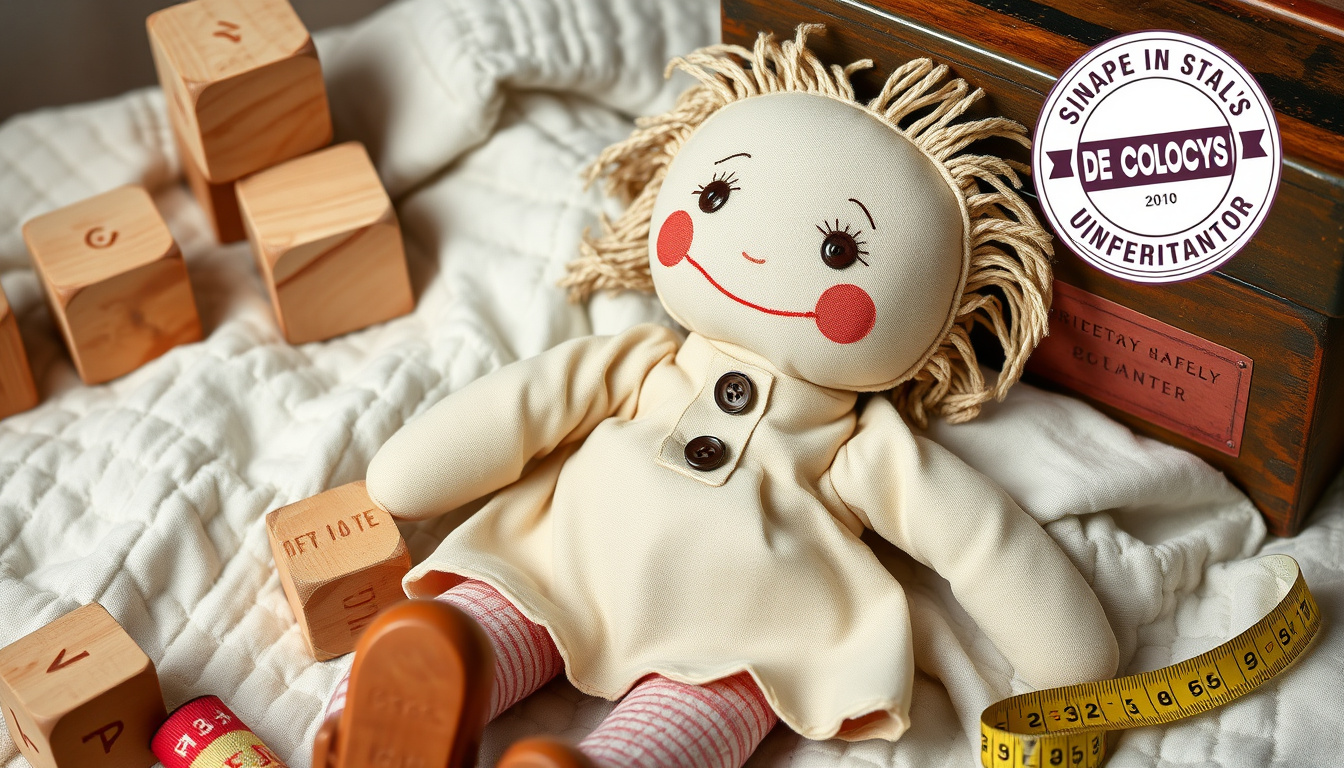
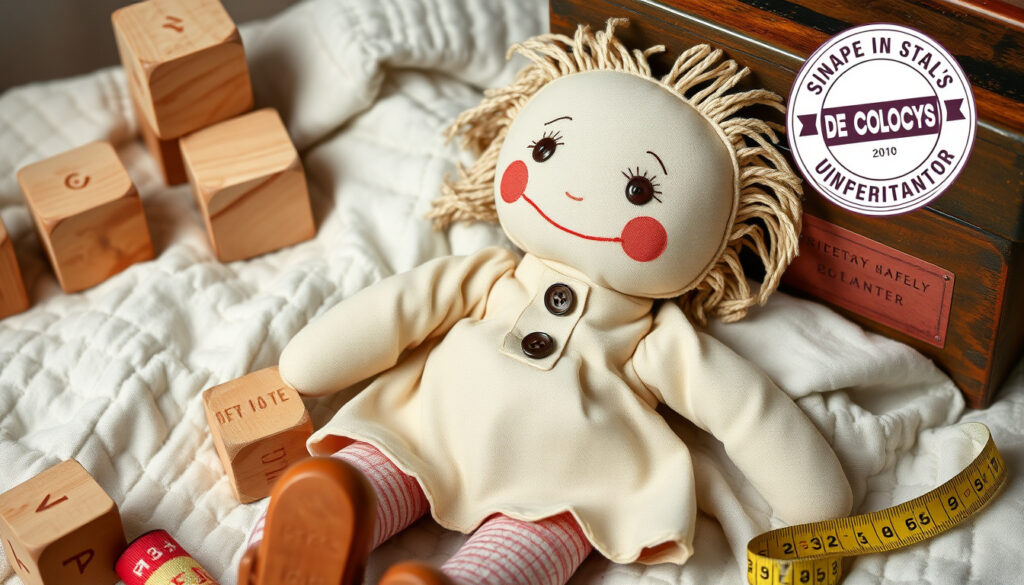
The term “rag doll” carries a surprising amount of weight. For some, it calls to mind a soft, childhood companion stitched from scraps of fabric. For others, it might evoke a fluffy cat breed known for its placid temperament or even a physics effect seen in video games. Despite sharing a common name, these concepts are entirely separate. This guide unpacks the primary meaning of the rag doll as a toy, while clearly distinguishing it from the other entities that share its name.
A rag doll is fundamentally a doll made from fabric. Historically, these were crafted at home using leftover cloth and stuffing, making them one of the most accessible and enduring types of toys across cultures. Today, they range from simple handmade creations to mass-produced character dolls and personalised gifts.
The primary confusion arises from the word “ragdoll.” While a “rag doll” (two words) is a toy, a “Ragdoll” (one word, capitalised) is a specific breed of cat. The Ragdoll cat was named for its tendency to go limp when held, much like the floppy cloth toy. Additionally, the term “ragdoll physics” describes a type of procedural animation used in video games to simulate realistic, limp body movements.
What Is a Rag Doll? Definition, History, and Materials
Understanding the rag doll starts with its definition, a brief look at its long history, and the common materials used to make them. This section addresses the core questions about this classic toy.
Definition: What is a Rag Doll?
A doll made from fabric scraps, historically handmade, now mass-produced. It is a soft-bodied toy, often stuffed, with a long folk tradition.
Key Difference: Rag Doll vs. Ragdoll
The toy “rag doll” (two words) is unrelated to the “Ragdoll” cat breed (one word) or “ragdoll physics”. The names are coincidental.
Popular Uses: Toys, Decor, Gifts
Rag dolls serve as comforting toys for toddlers, decorative items in nurseries, collectible pieces for enthusiasts, and popular personalised gifts.
Top Buying Guide: Best for Baby Girls
For a baby girl, the focus is on non-toxic, machine-washable materials, secure stitching, and age-appropriate designs without small parts.
- Rag dolls are one of the oldest types of toys, originating from scrap fabric. A Roman rag doll found in a child’s grave dates from the 1st to 5th century AD.
- The term ‘ragdoll’ often causes confusion due to the popular cat breed and physics engine.
- Safety is a top priority for infant rag dolls; look for machine-washable and non-toxic materials.
- Personalised rag dolls are a growing trend in the children’s gift market.
- Mass production of rag dolls began around 1830 with the advent of fabric color printing.
- Classic character dolls like Raggedy Ann and Andy kept the soft, floppy construction that defines rag dolls.
- For older or collectible rag dolls, the priority shifts from child-safety compliance to condition, authenticity, and materials.
| Attribute | Description |
|---|---|
| Definition | A cloth toy doll, typically handcrafted or mass-produced. |
| Main Materials | Cotton, linen, polyester stuffing, embroidery thread. Historically: cloth scraps, cornhusks, stockinette, felt, velvet. |
| Primary Audience | Toddlers, infants, collectors, and gift-givers. |
| Common Uses | Comfort toy, decorative item, commercial gift, teaching tool. |
| Historical Origin | Ancient; earliest evidence from Roman Egypt. Common in North America from the colonial era. |
| Key Safety Issues | Choking hazards from small parts, toxic materials in fabric or dye, weak seams. |
| Buying Focus (Modern) | Materials, secure stitching, certifications, age fit, washability. |
| Main Types | Traditional handmade, historical folk, classic character, modern decorative/collectible, pet dolls. |
Where to Buy the Best Rag Dolls for Baby Girls and Gifts
This section helps you navigate the purchase process, whether you are buying a soft toy for a baby girl or a special personalised gift. The key is understanding safety and construction.
What Are the Best Rag Dolls for a Baby Girl?
The best rag doll for a baby girl prioritises safety above all. A good buying guide emphasizes materials, construction, certifications, and age fit. Experts recommend choosing non-toxic fabrics and avoiding strong chemical odours. The doll should be soft, simple, and completely free of choking hazards, such as loose buttons or plastic eyes.
How to Find the Best Personalised Rag Dolls
Personalised rag dolls are a popular gift item, often featuring embroidered names or custom outfits. When ordering from a seller, it is crucial to buy from a reputable source that can provide clear product specifications, material details, and return policies. Washability matters if the doll is intended for a young child.
Are Rag Dolls Safe for Toddlers?
Yes, when chosen correctly. The primary safety considerations include checking for safety labels and certifications. Look for region-specific certification marks and clear compliance documentation rather than vague “safe” claims. Inspect the construction: seams, limbs, eyes, noses, and knots should be securely attached to prevent small parts from detaching.
For a child’s toy, always check safety labels and certifications. Choose non-toxic fabrics and avoid strong chemical odors. Ensure all seams, limbs, and features are securely attached. A washable design is a practical advantage for a toy used by younger children.
Rag Doll vs. Ragdoll: Clearing Up the Confusion
The search term “rag doll” triggers mixed intent. A user may be looking for a toy, information on a cat breed, or an explanation of a video game term. This section provides clear disambiguation for each meaning.
What is a Ragdoll Cat?
The Ragdoll cat is a distinct breed developed in the early 1960s by breeder Ann Baker in Riverside, California. The foundation cats descended from a white longhaired female named Josephine. The breed’s name comes from their tendency to go limp and relaxed when picked up. They are a pointed breed, recognized in three main patterns: Colourpoint, Mitted, and Bicolour. Common colors include seal, blue, chocolate, lilac, red, and cream.
A major health concern for Ragdoll cats is hypertrophic cardiomyopathy (HCM), a form of heart disease. Breeding-active Ragdolls must be tested for the known Ragdoll HCM gene. Due to their trusting nature, experts recommend keeping them indoors to protect them from traffic and other animals.
What is Ragdoll Physics in Games?
Ragdoll physics is a type of procedural animation used in video games. It replaces pre-set death or impact animations with a simulated physical system that causes a character’s body to flop and fall in a realistic, yet often humorous, way. The term borrows its name from the limp, lifeless movement of a cloth rag doll.
What is Ragdoll Productions?
Ragdoll Productions is a media production company, best known for creating the British children’s television series *Teletubbies*. This entity is entirely separate from both the cloth toy and the cat breed, representing another distinct use of the “ragdoll” name.
“Rag doll” (two words) = cloth toy. “Ragdoll” (one word, capitalised) can refer to a cat breed or a physics engine. The cat breed was named after the toy’s limp nature. The physics engine is named for its simulation of a limp body. The media company is a brand name.
Timeline of the Rag Doll from Ancient Times to Modern Day
The history of the rag doll is a story of simple materials and enduring appeal, stretching back thousands of years. This timeline marks key periods in its development.
- Ancient Civilizations (1st-5th Century AD): The earliest known fabric dolls are found in archaeological sites, including a Roman rag doll discovered in a child’s grave.
- Pre-Industrial Era: Rag dolls are common folk toys made from scrap cloth, cornhusks, wood, or wax. In North America, they are widespread from the colonial era into the early 20th century.
- Around 1830: Mass production of rag dolls begins with the availability of fabric color printing, transitioning them from purely homemade items to commercial goods.
- 1960s-1970s: Commercial mass production of classic character rag dolls like Raggedy Ann and Andy peaks, cementing the soft, floppy doll in popular culture.
- 2000s: A rise in personalised and safe-labeled rag dolls emerges, driven by a strong market for baby gifts and a focus on child safety standards.
- Present Day: The global market for rag dolls includes both machine-made commercial products and a thriving market for artisanal, handmade, and collectible dolls.
What We Know and What Remains Uncertain About Rag Dolls
While the general history and definition are clear, some details about the earliest origins of the rag doll remain imprecise. This comparison separates established facts from areas of uncertainty.
| Established Information | Information That Remains Unclear |
|---|---|
| Rag dolls have been made from fabric for thousands of years, with evidence from Roman times. | The exact origin of the very first rag doll is unknown. No single culture or inventor can be credited. |
| They were historically made from available household scraps like cloth and cornhusks. | The specific definitions of a “rag doll” vs. a general “soft doll” or “plush toy” can vary by brand and manufacturer. |
| The Ragdoll cat breed was developed in California in the 1960s and is unrelated to the toy’s history. | The exact timeline for the widespread adoption of the “ragdoll physics” term in gaming is difficult to pinpoint to a single year. |
| Mass production of rag dolls became feasible around 1830 with fabric printing. | The total size of the global rag doll market and its exact split between handmade and mass-produced items is not precisely documented. |
What Does the Search for “Rag Doll” Really Mean?
The search term ‘rag doll’ is a classic example of mixed user intent. A single query can stem from a parent looking for a safe toy for their baby girl, a cat enthusiast researching a breed, or a gamer curious about a physics engine. This content must clearly segment each meaning to satisfy all user groups. The commercial intent for baby gifts is strong, but the informational gap regarding the toy’s history and safety is large, presenting an opportunity for a comprehensive guide.
Where Can You Find More Information on Rag Dolls?
For readers seeking a deeper understanding, several authoritative sources provide excellent context. The Wikipedia entry on rag dolls offers a comprehensive definition and a detailed history of the toy. For more on the commercial and gift market, specialised e-commerce sites provide insight into current product trends. For information on the Ragdoll cat breed, the GCCF and TICA websites are definitive authorities.
“Rag dolls were originally made from cloth scraps and other inexpensive household materials such as cornhusks.”
— Wikipedia (Rag doll)
“The Ragdoll cat breed was developed in the early 1960s by breeder Ann Baker in Riverside, California.”
— GCCF (Ragdoll breed page)
Summary: Your Guide to the Rag Doll
The rag doll is a simple but profound object: a cloth toy with a history stretching back to antiquity. Its name, however, has spawned confusion with a cat breed and a video game effect. When buying one as a toy, safety checks on materials and construction are paramount. For other meanings of “ragdoll,” the context is everything. For more on classic character toys, see our guide on Barbie Dolls – Best UK Shops and Buying Tips.
Frequently Asked Questions
Are rag dolls machine washable?
Most modern rag dolls are machine washable, but always check the care label. Handmade dolls may require spot cleaning.
What is the ‘Rag Doll’ song by the Four Seasons about?
The song tells the story of a boy in love with a girl from a poor background, whom he calls ‘rag doll’ as a term of endearment.
Can rag dolls be used as decor?
Yes, many people use rag dolls as decorative pieces in nurseries, vintage-themed rooms, and children’s bedrooms.
What is the difference between a rag doll and a ragdoll cat?
A “rag doll” (two words) is a cloth toy. A “Ragdoll” (one word) is a breed of cat developed in the 1960s. They are unrelated.
Are rag dolls suitable for newborns?
For newborns, choose a very soft, simple rag doll without any small parts or embroidered features that could come loose.
Who created the Raggedy Ann doll?
Raggedy Ann was created by Johnny Gruelle in the early 20th century, becoming a classic example of the commercial rag doll.
What materials are traditionally used to make rag dolls?
Historically, they were made from cloth scraps, cornhusks, and stockinette. Today, cotton, linen, and polyester stuffing are common.
What is the main health risk for Ragdoll cats?
Hypertrophic cardiomyopathy (HCM), a form of heart disease, is a significant health concern for the breed.
Where can I find a personalised rag doll?
Personalised rag dolls are available from many online specialty gift shops and marketplaces. Buy from reputable sellers with clear product descriptions.
What is ragdoll physics?
It is a type of animation used in video games to simulate a character’s body falling or reacting in a realistic, limp manner.

Margaret Ellison is Editor-in-Chief at RegionalReport.co.uk, overseeing editorial policy, corrections, standards and publication decisions. She writes occasional leader columns and major regional news stories.