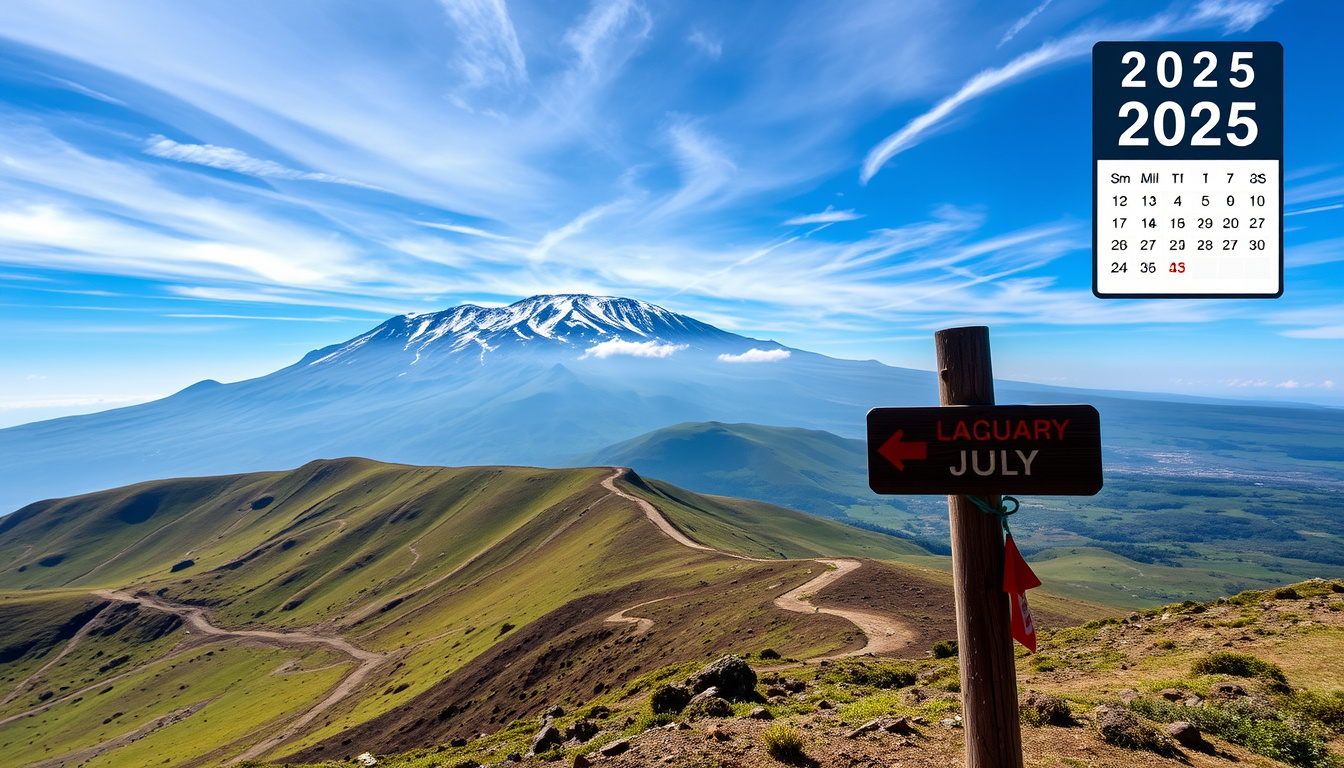
Planning a climb of Mount Kilimanjaro in 2025 means balancing the excitement of Africa’s highest peak with a clear understanding of the real costs, safety updates, and route options. Recent news of a wildfire on its lower slopes has also prompted many to ask pressing questions about safety, volcanic activity, and the overall feasibility of such a trek. This guide breaks down the critical information you need, from budget breakdowns to training advice, based on verified facts and expert sources.
Deciding to climb Kilimanjaro is a major undertaking that requires careful logistical planning. The mountain stands at 5,895 meters (19,341 feet) and presents a serious physical challenge, primarily due to the extreme altitude. While a non-technical climb, success hinges on proper preparation, choosing the right route, and understanding the financial commitment involved for 2025.
How Much Does It Cost to Hike Mount Kilimanjaro?
The cost of a Kilimanjaro hike in 2025 varies significantly based on route, operator reputation, and service level. Generally, prices fall into three broad bands: budget climbs from roughly $1,200 to $2,300, mid-range options from $2,400 to $4,000, and premium or luxury climbs from $3,500 to $6,500 or more.
Cost
$2,000 – $6,000 USD. Heavily dependent on route length and operator type.
Duration
5 to 9 days. Longer routes offer better acclimatization and higher success rates.
Height
5,895 m (19,341 ft). Africa’s highest peak and the world’s tallest free-standing mountain.
Status (Fire)
A wildfire was reported on the slopes. See the Safety section for detailed cause and trail impact analysis.
Key Insights on Climbing Costs
- Cost Transparency: The primary cost driver is the choice of route, not just the operator’s luxury level. Lemosho (7-8 days) costs more than Marangu (5 days) but offers vastly better acclimatization.
- Safety Concern Separation: The ‘Kilimanjaro fire’ query is likely conflating a wildfire with volcano fears. These are distinct events—the last eruption was ~360,000 years ago, while the fire is a recent, monitored incident.
- Success Rate vs. Budget: The climb success rate (45-90%) directly correlates to the number of days spent on the mountain. Budgeting for a shorter trip (low cost) significantly lowers the probability of summiting.
- Inclusions Matter: The cheapest advertised options may not include park fees, camping equipment, or adequate porter support. A safe, reputable climb often starts around $3,000-$4,000.
- Route Pricing Varies: Marangu can be as low as $1,700-$2,300, while the Northern Circuit can reach $6,500. Machame and Lemosho sit in the mid-range.
- Hidden Costs: Tipping guides and porters, gear rental, and travel insurance (including high-altitude evacuation) are significant expenses that are not always included in the initial package price.
| Fact | Value |
|---|---|
| Continent | Africa (Tanzania) |
| Elevation | 5,895 m (19,341 ft) |
| Mountain Type | Stratovolcano (Dormant) |
| First Ascent | 1889 (Meyer & Purtscheller) |
| Last Eruption | ~360,000 years ago |
| National Park | Kilimanjaro National Park (UNESCO) |
| Main Routes | 7 official routes |
| Difficulty | Non-technical climb; extreme altitude challenge |
What Caused the Kilimanjaro Fire and Is It Safe to Climb?
A wildfire was reported on the lower slopes of Mount Kilimanjaro in 2025. While the exact ignition source of the Kilimanjaro fire is still under investigation by park authorities, it is monitored by the Kilimanjaro National Park Authority (TANAPA). Specific trail closures must be verified directly with park officials as the situation develops.
It is crucial to separate this event from fears of volcanic activity. Mount Kilimanjaro is a dormant stratovolcano. The 2018 ‘eruption’ rumors were entirely unfounded. The mountain’s fumaroles in the Kibo crater emit gases but pose no threat. There is no seismic evidence suggesting an imminent eruption.
The ‘Kilimanjaro fire’ is a monitored wildfire incident. The ‘volcano eruption’ rumor is completely false. The mountain has not erupted for approximately 360,000 years. Travelers seeking safety updates should refer to official TANAPA channels rather than unverified social media posts.
What Are the Main Safety Risks on Kilimanjaro?
Climbing with a licensed operator on standard routes is widely considered safe. However, altitude sickness remains the primary risk for climbers. The best mitigation strategy is to choose a longer route like Lemosho or the Northern Circuit, which allows for better acclimatization. Isolated instances of theft or incidents do occur, but they are not the norm.
Which Route Should You Take to Climb Mount Kilimanjaro?
The main trekking routes are Marangu, Machame, Lemosho, Rongai, Shira, Umbwe, and the Northern Circuit. The best choice depends on your budget, desired duration, and tolerance for crowds.
What Is the Marangu Route?
Marangu is the shortest and one of the lower-cost routes, typically taking 5 days. It is the only route explicitly tied to hut accommodation, which some trekkers prefer over camping. However, its shorter duration provides less time for acclimatization, leading to a lower success rate.
What Is the Machame Route?
Machame is a very common, scenic route that is often called the “Whiskey Route.” It takes 6-7 days and offers a better balance of cost, scenery, and acclimatization than Marangu. It is a pure camping route and is very popular.
What Is the Lemosho Route Known For?
Lemosho is a longer route (7-8 days) known for its scenic beauty and high success rate. It offers exceptional acclimatization and is often selected by climbers who prioritize summiting over saving money. It is a camping route with lower traffic compared to Machame.
For further details on comparing African treks, see our guide on Best Hikes in Africa (Site Hub Page).
How Hard Is It to Climb Mount Kilimanjaro?
Kilimanjaro is a non-technical climb meaning you do not need ropes, crampons, or prior climbing experience for the trek itself. The primary difficulty is the extreme altitude.
How Should I Train Physically for a Kilimanjaro Climb?
Training for Kilimanjaro should prioritize cardiovascular endurance, long hiking days, and the ability to handle multi-day trekking at altitude. A training regimen focusing on sustained cardio, leg strength, and carrying a weighted pack 4-6 months before the climb is essential. Because the mountain is climbed over multiple days and success depends heavily on acclimatization, a longer itinerary such as Lemosho or the Northern Circuit is often selected by climbers seeking more time to adapt.
What Is Altitude Sickness, and How Can I Prevent It?
Altitude sickness, or Acute Mountain Sickness (AMS), is the primary risk. Longer routes can improve acclimatization and summit success, which directly relates to reducing altitude sickness risk. The clearest evidence-supported point is that more days on the mountain and slower ascent profiles are associated with better acclimatization opportunities. Secure comprehensive travel insurance that covers high-altitude trekking (up to 6,000m) and helicopter evacuation.
Budgeting for a 7-8 day route (Lemosho or Machame) over the 5-day Marangu route is a strategic decision for significantly higher summit success rates. The climb success rate (45-90%) directly correlates to the number of days spent on the mountain. More time means better acclimatization and a dramatically lower risk of altitude sickness forcing a descent.
When Is the Best Time of Year to Climb Kilimanjaro?
The best time to climb Kilimanjaro coincides with the dry seasons. The most popular period is from June to October, which offers the clearest skies. Another favorable window is from December to March. The long rains (March to May) and short rains (November) make trails wetter and less traveled, which some climbers accept for lower crowd levels, though summit visibility can be reduced.
Timeline: Mount Kilimanjaro Through History
- ~360k years ago: Last known volcanic eruption (Kibo crater activity ceased).
- 1889: First recorded summit by Hans Meyer and Ludwig Purtscheller.
- 1970s – Present: Rapid glacial recession documented; subject of climate studies.
- 2018: Search queries surge for ‘Kilimanjaro eruption’ (no event occurred; likely confusion with other volcanoes).
- 2025: Wildfire reported on the lower slopes; TANAPA monitoring trails and conditions.
What Is Known and Unknown About Kilimanjaro’s Safety and Geology?
| Established Information | Information That Remains Unclear |
|---|---|
| It is confirmed that a wildfire occurred on the slopes of Mount Kilimanjaro. | The exact ignition source of the fire is under investigation; specific trail closures must be verified with park authorities. |
| Mount Kilimanjaro is a dormant stratovolcano. There is no seismic evidence suggesting an imminent eruption. | The 2018 ‘eruption’ rumors were entirely unfounded. The mountain’s fumaroles (Kibo crater) emit gases but pose no threat. |
| Climbing with a licensed operator on standard routes is widely considered safe. | Altitude sickness remains the primary risk; isolated instances of theft or incidents do occur. |
What Is the Context for This Information?
Kilimanjaro trekking is a major pillar of Tanzania’s tourism economy. User search data shows a tension between ‘planning/booking intent’ (cost) and ‘risk assessment intent’ (fire/volcano). A successful content piece must resolve the safety uncertainty first (using the fire news as a hook) to build trust, then guide the user through the financial and logistical decisions of the climb. The budget vs. route-length conflict is the key decision point for most users.
Sources and Quotes
The information regarding the fire and general park regulations is based on reports related to the Kilimanjaro National Park Authority (TANAPA). Cost breakdown data comes from reputable multi-day trekking operators and industry pricing guides. For volcanology data, the Smithsonian Institution’s Global Volcanism Program provides the authoritative basis for the Kibo crater status. Climatology data from the Tanzania Meteorological Authority underlies the ‘best time to climb’ analysis.
“A safe and successful summit usually starts around $3,000–$4,000 with a reputable company.”
— Industry analysis from tour operator pricing guides, 2025.
“A decent trek should cost about $2,000–$3,000. The absolute cheapest options can be around $1,000 but are not the norm.”
— Climbing Kilimanjaro cost breakdown sources, 2025.
How Does This Help Plan Your Climb?
Understanding the current costs, safety status, and route dynamics allows for a confident decision. To begin, verify the current status of the fire and trail closures on the official TANAPA website or their social media channels. Then, budget for a 7-8 day route (Lemosho or Machame) over the 5-day Marangu route for significantly higher success rates. Finally, begin a training regimen focusing on sustained cardio, leg strength, and carrying a weighted pack 4-6 months before the climb. For a comprehensive preparation plan, see our High Altitude Training Plan for Trekkers (Site Guide).
Frequently Asked Questions
How tall is Mount Kilimanjaro exactly?
Mount Kilimanjaro stands at 5,895 meters (19,341 feet) above sea level, making it the highest point in Africa.
Do I need a visa to climb Kilimanjaro?
Yes. Most international visitors need a Tanzanian visa. It can be applied for online or obtained at Kilimanjaro International Airport (JRO).
What animals live on Mount Kilimanjaro?
The lower forests host wildlife such as elephants, buffalo, colobus monkeys, and leopards. The upper alpine zones are mostly devoid of large mammals.
Is there snow and ice on Mount Kilimanjaro?
Yes, the summit is permanently capped with snow and glaciers, although the ice fields have been receding due to climate change.
How does Mount Kinabalu compare to Kilimanjaro?
Kinabalu (4,095 m) is significantly shorter than Kilimanjaro (5,895 m). Both are non-technical climbs, but Kilimanjaro requires far more acclimatization time.
Can I climb Kilimanjaro solo and without a guide?
No. Regulations require all climbers to be accompanied by a licensed guide and porters when entering Kilimanjaro National Park.

Daniel Mercer is Business & Economy Correspondent at RegionalReport.co.uk, covering regional business news, local economy, employment, retail and property.