
Axel Rudakubana: The Southport Dance Class Attack and Its Aftermath
On 29 July 2024, a teenager walked into a Taylor Swift-themed dance class in Southport and stabbed 11 children, killing three of them. The attack sent shockwaves through the United Kingdom, sparked widespread public debate, and led to an ongoing government review of counter-extremism policies. The perpetrator, Axel Rudakubana, was later sentenced to life imprisonment with a minimum term of 52 years.
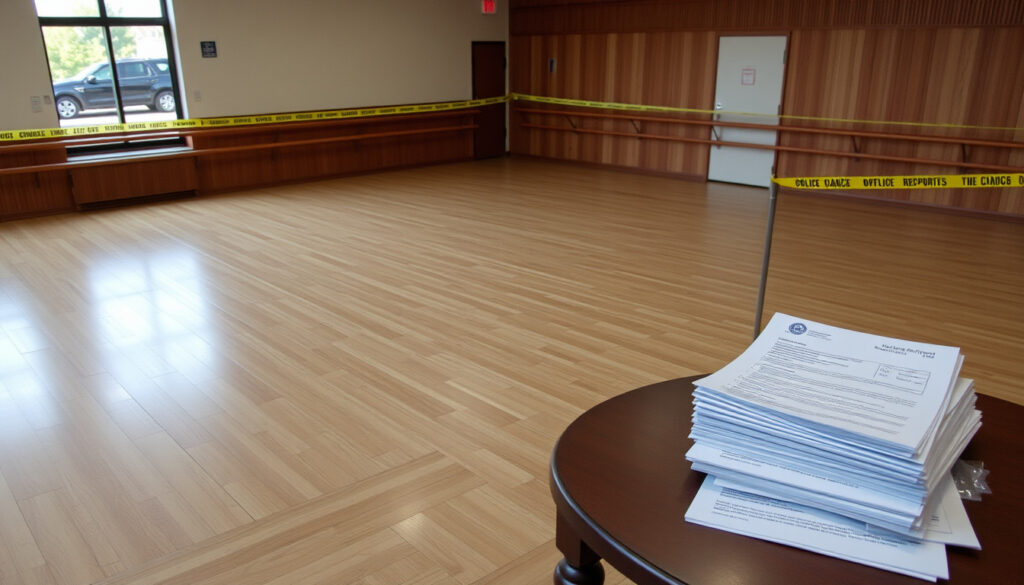
The three girls who died—Elsie Dot Stancombe, Bebe King, and Alice Da Silva Aguiar—were making friendship bracelets and singing when Rudakubana entered the room at the Hart Space studio on Hart Street. The Crown Prosecution Service described the assault as a “meticulously planned campaign of murder and violence.” The case has since raised difficult questions about whether earlier interventions could have prevented the tragedy.
Rudakubana was charged with three counts of murder, ten counts of attempted murder, and possession of a knife. Additional charges of possessing the biological toxin ricin and a document for terrorist purposes were added later. He pleaded guilty on the first day of his trial, 20 January 2025, at Liverpool Crown Court.
Who Is Axel Rudakubana and What Did He Do?
At the time of the attack, Rudakubana was 17 years old. He lived in the village of Banks, near Southport, in Merseyside. Little about his background has been officially confirmed beyond his age and the fact that he had been referred to the Prevent programme before the incident.
Key insights into the case include:
- Rudakubana was known to the Prevent programme before the attack; the review investigates missed opportunities.
- The court noted his voluntary absence during sentencing; his legal team was present.
- His parents were criticized in a later inquiry for failing to report concerns.
- The attack sparked nationwide discussion on knife crime, terrorism definitions, and safeguarding.
- The government commissioned an independent review of Prevent specifically in response to this case.
| Fact | Detail |
|---|---|
| Full Name | Axel Rudakubana |
| Age at attack | 17 |
| Date of attack | 29 July 2024 |
| Location | Southport, Merseyside, UK (Taylor Swift-themed dance class) |
| Charges | 3 counts murder, 10 counts attempted murder |
| Plea | Guilty |
| Sentence | Life imprisonment (Jan 2025) |
| Prevent referral | Yes, prior to attack |
| Inquiry | Independent Prevent Commissioner review (announced Feb 2026) |
| Victim names | Bebe King, Elsie Dot Stancombe, Alice Da Silva Aguiar |
What Sentence Did Axel Rudakubana Receive and Why?
On 23 January 2025, Rudakubana was sentenced to life imprisonment with a minimum term of 52 years. The judge imposed the sentence in his voluntary absence, a step that is unusual but legally permissible when the defendant refuses to attend court. The sentencing remarks published by the judiciary stated: “I pass sentence in his voluntary absence whilst his Counsel, both Leading and Junior, and solicitor are present in Court.”
The Crown Prosecution Service confirmed the sentence in a press release, saying Rudakubana had pleaded guilty to all charges. The minimum term means he will not be eligible for parole until he has served 52 years, accounting for time already spent in custody.
The judicial reasoning focused on the premeditated nature of the attack, the young age of the victims, and the calculated planning involved. The court did not cite mental health as a mitigating factor, and no terrorism charge was brought.
How Was Axel Rudakubana Connected to the Prevent Programme?
One of the most significant aspects of this case is Rudakubana’s referral to the UK’s Prevent programme before the attack. According to available sources, he was referred to Prevent three times but was rejected each time. The programme is designed to identify individuals who may be at risk of radicalisation and to offer support. In Rudakubana’s case, it failed to intervene.
The government’s independent reviewer of terrorism legislation, Jonathan Hall KC, has commented on how police information after the attack was inadequate and helped fuel misinformation online. The case has prompted calls for a behaviour-based, ideologically agnostic approach to extremism, rather than one tied to specific political or religious ideologies.
Rudakubana was referred to Prevent three times but was not deemed a terrorism risk. Some experts argue that the programme focuses too narrowly on ideological radicalisation and misses individuals who are “obsessed with violence but with no clear ideology.”
Prevent is a UK government programme that aims to stop people from becoming terrorists or supporting terrorism. It involves referrals from schools, police, and community members, followed by assessments and voluntary support. Critics say it can miss threats that do not fit traditional terrorism categories.
What Role Did Axel Rudakubana’s Parents Play in the Case?
A BBC investigation published in April 2026 examined whether Rudakubana’s parents had failed in their moral duty. The inquiry found that there were warning signs that should have been reported to authorities. However, no charges were brought against the parents, and the exact nature of their knowledge or actions remains under scrutiny.
The article quoted a source stating that Rudakubana “should have been detained before he walked into the Taylor Swift-themed dance class and stabbed three girls.” This has fuelled public debate about the responsibilities of parents and the effectiveness of safeguarding systems.
What Is the Ongoing Inquiry into the Southport Attack?
In February 2026, the Home Office published the terms of reference for an independent review by the Prevent Commissioner. The review will examine how Prevent handled Rudakubana’s referrals, what lessons can be learned, and whether changes to the programme are needed. The terms of reference are available on the government website.
The review is expected to report later in 2026. It will look at the broader context of the case, including the legal definition of terrorism and the possibility of widening it to cover violent misogyny—a suggestion the government has so far rejected.
The exact scope of the Prevent engagement with Rudakubana is not yet fully public. Some documents are classified or under review. The independent commissioner’s full findings will be needed before conclusions can be drawn about specific failures.
What Were the Aftermath and Reactions to the Attack?
The attack immediately led to widespread shock and grief in Southport. Vigils were held for the victims, and the community rallied to support families. However, the aftermath also saw social media misinformation and, according to sources, civil unrest. Jonathan Hall KC noted that inadequate police information after the incident fuelled rumours online.
In the months that followed, politicians called for a review of knife crime laws and counter-extremism policy. The case also reignited debate about whether certain types of violence—particularly by individuals obsessed with violence but not aligned with a recognised ideology—should be classified as terrorism.
What Was the Timeline of Events?
- 29 July 2024: Attack at Southport dance class.
- July 2024: Rudakubana arrested and charged.
- Late 2024: Guilty plea entered.
- 23 Jan 2025: Sentenced to life imprisonment.
- Jan 2025: Merseyside Police statement confirming guilty plea.
- Feb 2025: Sentencing remarks published by judiciary.uk.
- 2025–2026: Public discussion of parents’ role.
- 5 Feb 2026: Post-Southport review terms of reference published by Home Office.
- 13 Apr 2026: BBC article on inquiry findings on parents’ moral duty.
- Ongoing: Full independent review expected to report later.
What Is Known and What Remains Unclear?
| Established information | Information that remains unclear |
|---|---|
| Rudakubana pleaded guilty to murder and attempted murder. | The exact motive is not officially confirmed; no terrorism charge was brought. |
| He was sentenced to life imprisonment. | Full details of the Prevent engagement are classified or under review. |
| He was referred to the Prevent programme before the attack. | Whether parents will face any legal consequences beyond public criticism is unknown. |
| The government launched an independent review of Prevent in connection to this case. | Specific triggers or mental state at time of attack have not been made public. |
What Is the Broader Context of the Southport Attack?
The attack occurred against a backdrop of ongoing concerns about knife crime and youth violence in the UK. The Prevent programme has faced criticism in previous cases where warning signs were missed. The legal distinction between terrorism and non-terrorism charges often hinges on whether the perpetrator holds a political or religious ideology, which in Rudakubana’s case was not evident.
The impact on victims’ families has been profound. The Southport community continues to seek answers and policy changes that might prevent such tragedies in the future.
What Do Official Sources Say?
“I pass sentence in his voluntary absence whilst his Counsel, both Leading and Junior, and solicitor are present in Court.”
— Sentencing remarks (judiciary.uk)
“A teenager who killed three young girls and attempted to kill ten others… has been jailed for life.”
— CPS press release
“Axel Rudakubana, 17, should have been detained before he walked into the Taylor Swift-themed dance class and stabbed three girls.”
— BBC article (Apr 2026)
“Axel Rudakubana has pleaded guilty to the murders of Bebe King, Elsie Dot Stancombe and Alice Da Silva Aguiar.”
— Merseyside Police statement
What Are the Key Takeaways?
The Southport attack by Axel Rudakubana resulted in the tragic deaths of three young girls and left lasting scars on their families and community. His life sentence with a 52-year minimum term reflects the severity of his crimes. The case has exposed gaps in the Prevent programme and sparked an independent review that may lead to significant policy changes. While many questions remain—about motive, missed opportunities, and accountability—the legal process has concluded, and the focus now turns to ensuring such a failure of safeguarding does not happen again. For related coverage on child protection failures, read about Roksana Lecka – Nursery Worker Jailed for Abusing 21 Babies. For insights into the psychological effects of violent crime, see Trauma Bond – Signs, Stages and How to Break Free.
Frequently Asked Questions
What is the Prevent programme?
Prevent is a UK government programme aimed at stopping people from becoming terrorists or supporting terrorism. In Rudakubana’s case, he was referred to Prevent before the attack but was not deemed a terrorism risk.
Did Axel Rudakubana have a mental health condition?
No official information about mental health diagnoses has been released. The court did not cite mental health as a factor in sentencing.
Why was no terrorism charge brought?
The CPS charged only murder and attempted murder. This suggests the attack was not classified as terrorism under UK law, though the exact reasons have not been publicly detailed.
Who is Anaclet Rudakubana?
Anaclet Rudakubana is likely a family member (possibly a parent) based on search queries, but no public details are available in the provided sources.
How many children were injured in the attack?
Eight children were injured (attempted murder charges) in addition to the three killed. Two adults were also among the attempted murder victims.
What is the life sentence minimum term?
Rudakubana was ordered to serve a minimum of 52 years in prison before he can be considered for parole.
When did the attack happen?
The attack took place on 29 July 2024 at a Taylor Swift-themed dance class in Southport, Merseyside.
Who are the victims of the Southport attack?
The three girls killed were Elsie Dot Stancombe, Bebe King, and Alice Da Silva Aguiar. Ten other people survived with injuries.
What is the independent Prevent commissioner review?
It is a government-commissioned review announced in February 2026 to examine how Prevent handled Rudakubana’s referrals and whether changes are needed.

Sophie Kendall is Culture & Communities Editor at RegionalReport.co.uk, covering community stories, arts, culture, festivals, local events and heritage.