Where is the Dominican Republic located?
The Dominican Republic occupies the eastern two-thirds of the island of Hispaniola, which it shares with Haiti in the western third. It sits in the northern Caribbean Sea, east of Cuba and west of Puerto Rico, and is the second-largest Caribbean nation by both area and population. Its capital and largest city, Santo Domingo, lies on the southern coast and is the oldest continuously inhabited European settlement in the Americas.
Santo Domingo
Spanish
Dominican Peso (DOP)
~11.3 million (2025 est.)
Key insights at a glance
- The Dominican Republic is the second-largest Caribbean country by area (48,671 km²) and population.
- Tourism is a major economic driver, with Punta Cana being the most visited destination in the nation.
- Safety requires awareness: petty crime in tourist areas is moderate, but violent crime is lower than in some Caribbean neighbors.
- An e-ticket (travel declaration) is mandatory for all visitors and can be completed online up to 72 hours before arrival.
- The national flag symbolizes liberty (white cross), blood shed for independence (red), and hope (blue).
- Dominican time is Atlantic Standard Time (AST, UTC-4); there is no daylight saving time.
Snapshot facts
| Attribute | Details |
|---|---|
| Official Name | Dominican Republic |
| Capital | Santo Domingo |
| Population | 11.3 million (2025 est.) |
| Language | Spanish |
| Currency | Dominican Peso (DOP) |
| Time Zone | AST (UTC-4) |
| Drives on | Right |
| Calling Code | +1-809, +1-829, +1-849 |
| Top Destination | Punta Cana |
| Entry Requirement | E-ticket (travel declaration) |
Is the Dominican Republic safe for tourists?
The Dominican Republic is generally safe for travelers who stay within established resort areas such as Punta Cana. However, the U.S. Department of State advises visitors to exercise increased caution (Level 2) due to violent crime, petty theft, and road safety risks. Crime rates are higher outside resort zones, especially in urban centers like Santo Domingo, where pickpocketing, bag-snatching, and carjacking are reported. For an overview of regional security, check the Caribbean Safety Overview.
What are the key safety tips?
- Avoid displaying wealth — leave expensive jewelry and large amounts of cash in the hotel safe.
- Stay alert in your surroundings, avoid remote areas after dark, and never leave drinks or bags unattended.
- Be cautious with new acquaintances — do not consume alcohol alone with people you have just met, even within a resort.
- Use only authorized taxis from the airport or hotel; avoid unregulated microbuses known as “gua-guas.”
- Report suspicious activity to hotel management or the Tourist Police (POLITUR) at 809-222-2026.
The Dominican Republic has the highest road crash-related mortality rate in the world: 65.2 deaths per 100,000 people. Drivers often speed, drive aggressively, and drinking and driving is common, especially during Christmas and Easter. Pedestrians do not have the right of way, even at traffic lights. Always use a licensed professional driver or a registered taxi for road travel.
What is the e-ticket requirement?
Every passenger entering or exiting the Dominican Republic must complete a mandatory digital e-ticket before arrival. This online form collects personal residence address, travel details, and customs information. It is a permanent entry requirement introduced after the pandemic. U.S. citizens should also carry a valid round-trip airline ticket, proof of funds, and the address of where they will stay. Travelers can verify current health protocols via the CDC travel page before departure.
What is the weather like in the Dominican Republic?
The Dominican Republic has a tropical climate with warm temperatures year-round. The dry season runs from December to April, offering the most comfortable conditions for beachgoers. The wet season, from May to November, brings higher humidity and frequent afternoon showers, along with the risk of hurricanes from June to November.
What is the best time to visit?
For the cleanest weather, especially in Punta Cana, the months of December through March are ideal. Summer and fall offer lower rates and fewer crowds, but travelers should monitor hurricane forecasts and expect more rain. Sea conditions can become dangerous during the hurricane season, and lifeguards or safety equipment may be absent at some beaches and pools.
The Caribbean hurricane season officially runs from June to November. While storms do not always make landfall, travelers should purchase travel insurance and check forecasts from the Dominican Republic National Weather Service (ONAMET) before and during their trip.
What does the Dominican Republic flag look like?
The national flag features a large white cross that divides the flag into four rectangles. The upper left and lower right rectangles are blue, and the upper right and lower left rectangles are red. The coat of arms is centered in the cross. The blue represents liberty and hope, the red stands for the blood shed by independence fighters, and the white cross symbolizes faith and salvation.
What language is spoken in the Dominican Republic?
Spanish is the official and dominant language. In tourist hubs such as Punta Cana, Santo Domingo, and Puerto Plata, English is widely spoken in hotels, restaurants, and shops. In rural areas and smaller towns, Spanish is the primary means of communication.
What is the population of the Dominican Republic?
The estimated population for 2025 is approximately 11.3 million. The majority of Dominicans are of mixed African, European, and Indigenous Taíno ancestry. The country has a vibrant cultural heritage that includes merengue and bachata music, a strong baseball tradition, and a rich colonial history centered in Santo Domingo.
The Dominican Republic is the birthplace of both merengue and bachata, two music genres recognized by UNESCO as Intangible Cultural Heritage. Baseball is the national sport, and the country produces some of the world’s most talented players. More details can be found on the official Britannica profile.
What are the best holidays and destinations in the Dominican Republic?
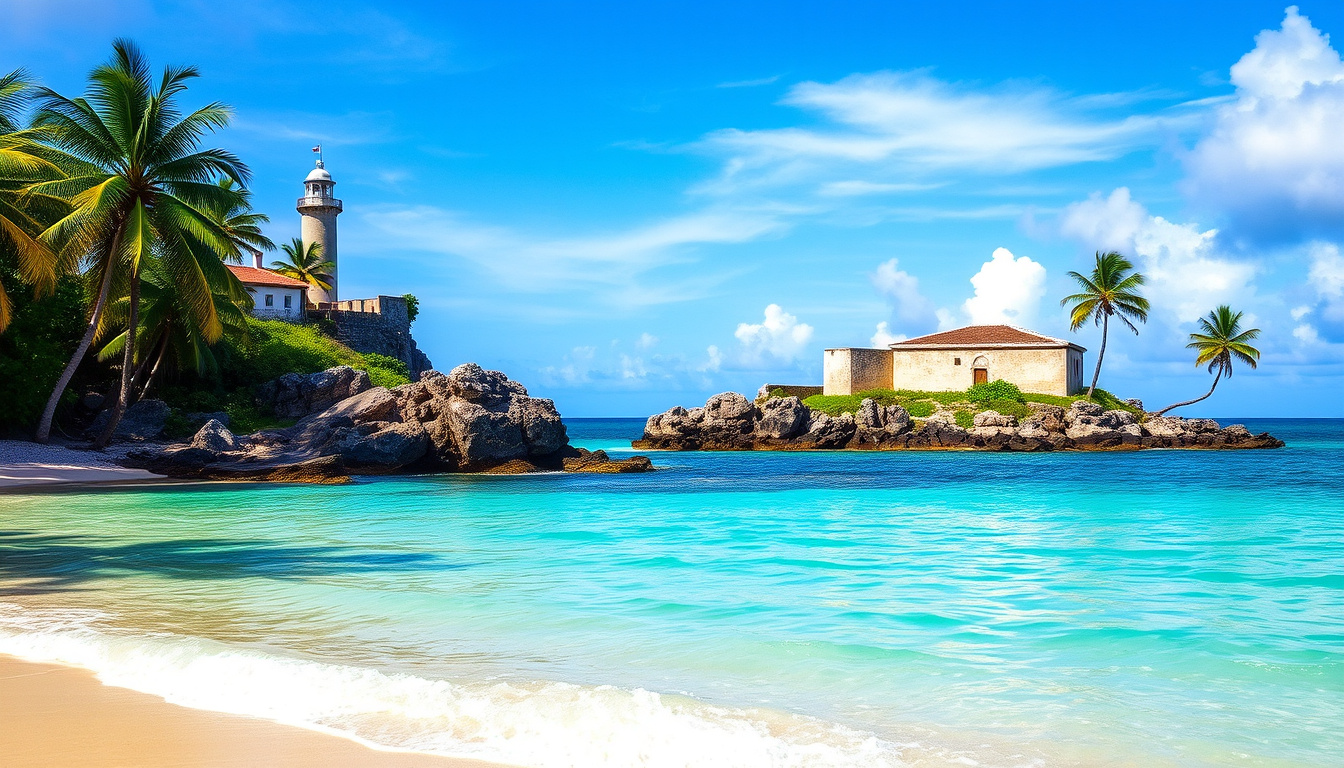
The Dominican Republic offers a diverse range of holiday experiences, from all-inclusive beach resorts to colonial city exploration. Punta Cana is the most popular beach destination, known for its white sand, palm trees, and extensive resort infrastructure. Cap Cana is a luxury development just south of Punta Cana, featuring upscale hotels, a marina, and championship golf courses. Other major destinations include the capital Santo Domingo, with its Colonial Zone (a UNESCO World Heritage site), and Puerto Plata on the northern coast, famous for its cable car and historic fort.
What is Punta Cana?
Punta Cana is a resort town at the eastern tip of the Dominican Republic. It is the most visited destination in the country, drawing millions of tourists each year to its beachfront all-inclusive hotels, coral reefs, and golf courses. The area also includes ecological reserves and adventure parks. See our Dominican Republic Safety Guide for tips on staying secure in resort areas.
What is Cap Cana?
Cap Cana is a master-planned luxury resort community located about 15 minutes south of Punta Cana International Airport. It features high-end hotels, private villas, a marina, and the Punta Espada golf course. It is marketed as an exclusive, upscale alternative to the larger Punta Cana resort strip.
What are the public holidays?
Major public holidays include New Year’s Day, Independence Day (27 February), Good Friday, Labour Day (1 May), Restoration Day (16 August), and Christmas Day. Road accidents peak during Christmas and Easter due to heavy traffic and alcohol consumption, according to official travel advisories from the UK Foreign Office.
What are the latest news and events in the Dominican Republic?
Recent developments in the Dominican Republic include continued investment in luxury tourism infrastructure, such as new hotels and residential projects in Cap Cana and La Romana. The country also experienced a notable fire incident in 2024–2025; details remain limited, and officials have not yet released a full report on the cause. Travelers should consult local news sources for the most current updates.
Timeline of key events
- 1492 — Christopher Columbus arrives on Hispaniola; Santo Domingo is founded, becoming the first European settlement in the Americas.
- 1844 — The Dominican Republic declares independence from Haiti.
- 1960s–1970s — A tourism boom begins, and development of Punta Cana as a resort destination starts.
- 2024–2025 — A fire incident occurs; official investigations are ongoing, and details remain incomplete.
How reliable is the information about the Dominican Republic?
| Established information | Information that remains unclear |
|---|---|
| Official travel advisories (US, UK, Canada) indicate moderate crime levels, not extreme danger for resort visitors. | The exact cause of the 2024–2025 fire incident has not been confirmed by official reports. |
| The e-ticket requirement is mandatory for all travelers and has been in place since after the pandemic. | The specific e-ticket process may vary slightly by airline; travelers should verify with their carrier. |
| Seasonal weather patterns are well established: dry season December–April, wet season May–November. | Exact short-term forecasts are variable and should be checked on reliable meteorological sites. |
What is the broader context of the Dominican Republic?
The Dominican Republic’s appeal lies in its combination of Caribbean beaches, well-preserved colonial heritage, and affordable all-inclusive resorts. It is a top holiday destination for both European and North American travelers. Recent news highlights ongoing infrastructure development—particularly in the luxury Cap Cana area—alongside occasional natural events such as hurricanes and wildfires. Culturally, the country is the birthplace of merengue and bachata, and baseball is deeply woven into national identity. The e-ticket system, introduced after the pandemic, is now a permanent travel requirement designed to streamline immigration and health screening.
What are the key sources for Dominican Republic information?
“GoDominicanRepublic.com is the official tourism site, offering destination guides and practical travel tips.”
“The UK Foreign, Commonwealth & Development Office (FCDO) provides up-to-date travel advice on safety and entry rules.”
— Gov.uk – FCDO travel advice
“Britannica offers authoritative historical and demographic context about the Dominican Republic.”
— Britannica
Summary: What should travelers know about the Dominican Republic?
The Dominican Republic is a vibrant Caribbean nation with world-class beaches, rich colonial history, and a culture built on music and baseball. For a safe and smooth trip, stay in well-established resort areas like Punta Cana, complete the mandatory e-ticket before flying, secure your valuables, and avoid traveling alone at night in unfamiliar areas. For more detailed planning, read the Dominican Republic Safety Guide.
Frequently asked questions
What is the capital of the Dominican Republic?
Santo Domingo is the capital and largest city of the Dominican Republic.
What is the currency used in the Dominican Republic?
The official currency is the Dominican Peso (DOP).
Do I need a visa to visit the Dominican Republic?
Many nationalities (US, EU, UK, Canada) can enter visa-free for up to 30–90 days. Always check the latest entry requirements before traveling.
What is the best time to visit the Dominican Republic?
The dry season from December to April offers the best weather. May to November is wetter and more humid, with hurricane risk from June to November.
What is the Dominican Republic known for?
It is famous for Punta Cana’s beaches, all-inclusive resorts, merengue and bachata music, baseball, and the colonial history of Santo Domingo.
What are the emergency numbers?
Dial 911 for police, ambulance, and fire services. The Tourist Police (POLITUR) can also be reached at 809-222-2026.
Is English widely spoken in tourist areas?
Yes, English is common in resorts and major tourist hubs. In rural areas, Spanish is dominant.

Daniel Mercer is Business & Economy Correspondent at RegionalReport.co.uk, covering regional business news, local economy, employment, retail and property.