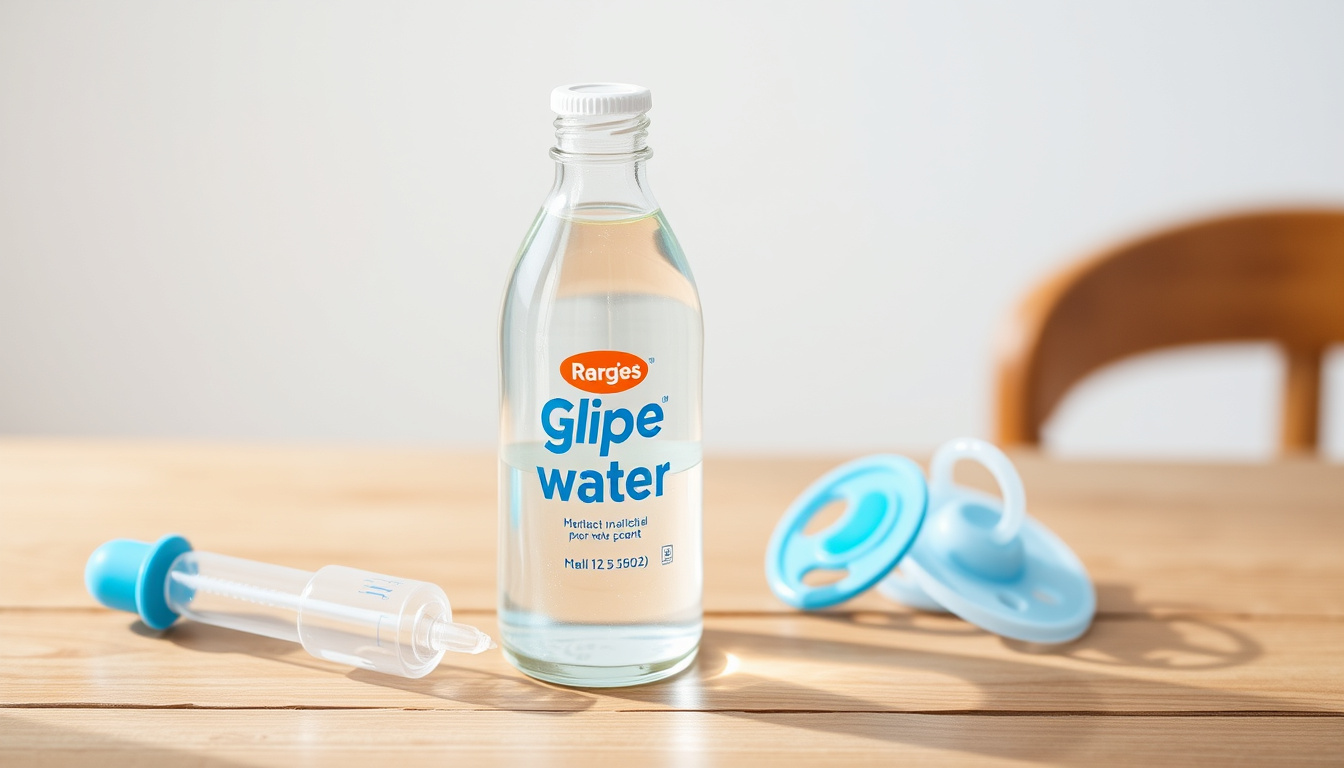

Many parents reach for gripe water when a baby is crying, fussy, or seems to be in pain from gas. It is one of the most well-known over-the-counter remedies for infant colic, sold in pharmacies and supermarkets for over a century. But the popularity of this herbal liquid is not matched by strong scientific evidence. Medical experts and regulators, including the NHS, advise caution.
The effectiveness of gripe water is not well established, and safety depends heavily on what is inside the bottle and how old the baby is. Some ingredients found in certain products pose real risks for newborns. Understanding what is in the formula, the right dosage, and where official guidance stands is essential before giving it to an infant.
What Are the Ingredients in Gripe Water?
Non-prescription liquid herbal remedy for infant colic, wind, and griping pains
Oil of dill, sodium hydrogen carbonate (bicarbonate of soda); some formulations may contain alcohol, sugar, or preservatives
Usually from 1 month (some brands ‘from birth’) – always check label
Over the counter at Boots, Tesco, Asda, Superdrug, and online
- Gripe water is not strictly regulated; efficacy is questioned by medical bodies. NHS does not recommend it for colic; an NIH article warns of potential bacterial contamination.
- Dosage varies by brand, not by baby’s weight, which can be confusing. Woodwards recommends 5ml per dose for babies over 1 month; some own-label brands differ.
- Safety concerns include recalls due to bacterial contamination and unlisted ingredients. Woodwards recall in 2018 (unexplained bacterial growth); some products have been recalled in the US.
- Gripe water may provide temporary relief but does not treat underlying colic causes. No robust clinical trials exist; evidence is largely anecdotal.
| Fact | Detail |
|---|---|
| First marketed | 1851 by William Woodward |
| Common UK brands | Woodward’s, own-label (Boots, Asda) |
| Active ingredients | Sodium bicarbonate (antacid) + dill oil (carminative) |
| FDA approval | Not approved |
| NHS recommendation | Not recommended for infant colic |
| Availability | Without prescription |
| Typical price | £3-£5 for 150ml |
| Storage | Room temperature, away from direct sunlight |
| Precautions | Do not give to premature babies or those with allergies to ingredients |
Typical ingredients in gripe water formulas include dill, fennel, ginger, chamomile, lemon balm, licorice, cinnamon, and flavourings. Some products also contain sodium bicarbonate. Older formulations sometimes contained alcohol and sugar or sucrose, according to WebMD and Healthline. Why ingredients matter: alcohol is considered unsafe for babies, sugar can be harmful to developing teeth, and sodium bicarbonate is not routinely recommended for colicky babies unless specifically prescribed, notes GoodRx.
Does Gripe Water Contain Alcohol or Sugar?
Most modern gripe water sold in the UK is alcohol-free. However, it is still worth reading the label carefully. Some imported or lesser-known brands may contain small amounts of alcohol or added sweeteners. The concern with sugar is its potential impact on developing teeth, even in very young infants.
Is Gripe Water Herbal?
Yes, gripe water is classified as a herbal supplement in many cases. Its base is typically a blend of carminative herbs like dill and fennel, which are thought to help expel gas. Because it is not a medicine, it is not subject to the same regulatory scrutiny as pharmaceuticals, which means product quality and contents can vary significantly by brand, according to Cleveland Clinic.
Always check the label for herbs, sweeteners, sodium bicarbonate, preservatives, and potential allergens. Avoid any product containing alcohol for a newborn. If the ingredient list is unclear, ask a pharmacist before using.
What Is the Recommended Gripe Water Dosage by Age?
There is no universally established safe dose for gripe water because formulations differ so widely, and there is limited safety data on how much is too much, according to GoodRx. If used, sources recommend following the specific bottle instructions exactly and not exceeding the stated maximum daily doses.
One example cited by WebMD for a well-known brand suggests giving it 10 minutes after feeding, with 1/2 teaspoon for babies under 1 month and 1 teaspoon for babies under 6 months. This is brand-specific and not a general rule. The most important step is to read the label on the bottle you have purchased.
How Much Gripe Water for a 1-Month-Old Baby?
For a 1-month-old, many brands recommend a single dose of around 5ml. This can typically be given up to six times in 24 hours, but you should never exceed the maximum daily amount printed on the bottle. Because safety data is limited in very young infants, some clinicians advise waiting until around 1 month before using it at all.
At What Age Can You Give Gripe Water?
Some product guidance says the minimum age may be 2 weeks, but many clinicians advise waiting until around 1 month because safety data are limited in very young infants, according to GoodRx. Most UK brands like Woodward’s state their product is suitable from 1 month. For a baby under 1 month, always consult a health visitor or GP first.
If you decide to use gripe water, give it 10 minutes after a feed. Use the dropper or spoon provided with the product. Track your baby’s symptoms and stop using it if there is no improvement after a few days.
Is Gripe Water Safe for Newborns and Infants?
Safety is the primary concern for any product given to a newborn. Gripe water is not FDA-approved and is not subject to the same level of oversight as medicines. This means product quality and contents can vary by brand, as noted by WebMD, Cleveland Clinic, and Healthline.
Does Gripe Water Have Side Effects?
Possible side effects that have been reported or discussed include vomiting, constipation, and allergic reactions, according to Healthline and a PMC article. There have also been recalls and case reports linked to contamination or unsafe contents, including parasites, bacteria, and choking hazards from undissolved material, notes Cleveland Clinic.
Is Gripe Water FDA Approved?
No, gripe water is not approved by the FDA. It is classified as a supplement or food product in many jurisdictions, which means it does not undergo pre-market safety and efficacy testing required for drugs.
Has Gripe Water Been Recalled?
Yes. In 2018, Woodwards Gripe Water 150ml (batch number 4060765) was recalled in the UK due to possible microbial contamination, as reported by the MHRA. Other recalls have occurred in the US for similar contamination issues.
If a baby has persistent crying, poor feeding, vomiting, fever, lethargy, blood in stool, or poor weight gain, these are not typical “colic only” signs and need immediate medical assessment from a GP or hospital.
Where Can I Buy Gripe Water in the UK?
Gripe water is widely available over-the-counter in the UK. You can buy it at major pharmacies and supermarkets including Boots, Tesco, Asda, and Superdrug. It is also available from online retailers. A typical price is between £3 and £5 for a 150ml bottle.
It is not available on NHS prescription. The NHS does not recommend gripe water for colic, so it is not part of standard medical treatment plans. You can purchase it directly without a prescription, but it is wise to ask a pharmacist for advice before buying, especially for a newborn.
What Does the NHS Say About Gripe Water?
The NHS Colic advice page states: “There is not enough evidence to say whether gripe water works for colic. It is not recommended by the NHS.” NICE guidelines on infant colic also advise against routine use. The official position is clear: gripe water is not an evidence-based first-line treatment for colic.
Despite this, it remains widely sold in UK pharmacies and supermarkets. This creates a gap between medical guidance and consumer availability. Parents should weigh the convenience of an over-the-counter product against the lack of proven efficacy and potential risks.
“There is not enough evidence to say whether gripe water works for colic. It is not recommended by the NHS.”
— NHS (Colic – Treatment)
“Anything (including gripe water) other than breast milk administered to a baby during the first six months may increase the risk of introducing bacteria.”
— PMC article (Adhisivam 2012)
History of Gripe Water
- 1851 — William Woodward launches gripe water in Nottingham, UK.
- 1960s-70s — Original formula contained alcohol; later reformulated to reduce alcohol content.
- 1990s — Growing concerns about safety lead to removal of alcohol in most markets.
- 2007 — FDA warns against use of certain gripe water products due to contamination risk.
- 2018 — Woodwards Gripe Water recalled in the UK due to possible bacterial contamination (MHRA alert).
- 2024 — NHS continues to advise that there is no strong evidence for gripe water; recommends other colic management strategies.
What Do We Know and What Remains Uncertain About Gripe Water?
| Established Information | Information That Remains Unclear |
|---|---|
| Gripe water contains sodium bicarbonate and dill oil (most brands). | Efficacy: few well-designed clinical trials; evidence is largely anecdotal. |
| It is not FDA approved and not recommended by the NHS for colic. | Optimal dosage: no universal guideline; varies by brand. |
| Dosage instructions are printed on each product label. | Long-term safety: insufficient data on repeated use in infants. |
| Recalls have occurred due to contamination (e.g., Woodwards 2018). | Interaction with other medications or breastfeeding: not well studied. |
Understanding the Context of Gripe Water Use
Gripe water sits in a grey area: it is widely sold and used, yet lacks robust medical endorsement. Parents often seek it for colic relief, but the NHS and NICE guidelines advise against routine use. The product’s long history and brand loyalty, particularly around Woodward’s, have created a market that persists despite regulatory caution. Gripe water is a symptomatic remedy, functioning as an antacid and carminative, not a cure. Parents should weigh convenience against the lack of proven efficacy and potential risks such as contamination and unregulated ingredients. Recent recalls highlight the importance of checking batch numbers and expiry dates.
For more information on managing a colicky baby safely, see our guide on Understanding infant colic and safe remedies. Practical techniques like paced feeding and burping are covered in our article on Baby feeding and wind relief tips.
Summary: Key Takeaways for Parents
Gripe water is a popular but unproven remedy for infant colic. The NHS does not recommend it, and safety concerns exist around ingredient variability, contamination recalls, and side effects. If you choose to use it, read the label carefully, follow the dosage instructions exactly, and only give it to a baby over 1 month old unless a clinician advises otherwise. For persistent or severe symptoms, seek medical advice rather than relying on over-the-counter products.
Frequently Asked Questions About Gripe Water
Does gripe water contain alcohol?
Most modern formulations are alcohol-free, but always check the label. Some older or imported brands may still contain small amounts.
Can I give gripe water to a 2-week-old?
Most brands advise waiting until at least 1 month of age. For newborns under 1 month, consult a healthcare professional first.
How often can I give gripe water?
Typically up to 6 doses in 24 hours, but follow the specific product’s instructions. Do not exceed recommended dosage.
Is gripe water the same as colic drops?
No. Gripe water is an antacid/carminative; colic drops (e.g., Infacol) contain simethicone to reduce gas. They work differently.
Does gripe water need a prescription?
No, it is available over the counter in pharmacies and supermarkets in the UK.
Can gripe water cause side effects?
Possible side effects include allergic reactions, diarrhea, or vomiting. Discontinue use and seek medical advice if these occur.

Oliver Reeves leads fact-checking, source verification and editorial standards at RegionalReport.co.uk.