Junji Ito is widely considered one of the defining voices in horror manga. Born on July 31, 1963, in Nakatsugawa, Gifu Prefecture, the Japanese artist has spent decades crafting stories that fuse psychological dread with grotesque body horror. His work — from the immortal femme fatale of Tomie to the spiral-obsessed town in Uzumaki — has earned him a global following and a reputation as a master of the macabre.
Ito began drawing horror as a child, influenced by earlier Japanese horror artists such as Kazuo Umezu. He submitted his first professional story to Monthly Halloween in the mid‑1980s, and his career has since expanded across long-form manga, short-story collections, film adaptations, and anime series. Today, his name is synonymous with unnerving, meticulously drawn horror that lingers long after the page is turned.
For newcomers, the breadth of material can feel overwhelming. This guide covers who Junji Ito is, which books to read first, what anime adaptations exist, and how to make sense of his most iconic works — all based on verified sources and current release information.
Who Is Junji Ito?
Profession
Japanese Horror Mangaka
Notable Works
Tomie, Uzumaki, Gyo, Remina
Anime Adaptations
Junji Ito Collection, Maniac, Upcoming Uzumaki
Official Publisher
VIZ Media (English)
- Junji Ito is globally recognized for a horror style that blends psychological terror with grotesque body horror. (Wikipedia / VIZ Media)
- His work Uzumaki is critically acclaimed and is being adapted into a highly anticipated anime series. (Crunchyroll / Wikipedia)
- The Junji Ito Collection anime received mixed reviews due to its animation style, while Junji Ito Maniac saw improved reception. (Crunchyroll / Community consensus)
- Tomie, one of his earliest works, centers on an immortal girl who drives people to obsession and violence. (VIZ Media / Wikipedia)
| Attribute | Detail |
|---|---|
| Full Name | Junji Ito (伊藤 潤二) |
| Born | July 31, 1963 (Nakatsugawa, Gifu, Japan) |
| Occupation | Manga Artist, Horror Writer |
| Active Since | 1984 (Debuted with Tomie) |
| English Publisher | VIZ Media |
| Known For | Tomie, Uzumaki, Gyo, Fragments of Horror |
| Awards | Eisner Award (Uzumaki, 2008) |
Ito’s early influences include Kazuo Umezu, and he debuted professionally when he submitted a horror short story to Monthly Halloween in the mid‑1980s. Junji Ito on Wikipedia provides a full chronological overview of his career, including his transition from magazine work to international collected editions.
What Are the Best Junji Ito Books to Read First?
Because Ito’s major works are divided between serialized multi‑volume series and standalone short stories, there is no single correct reading order. A practical approach is to follow either publication chronology or accessibility. For newcomers, the following sequence is recommended by readers and critics alike.
Tomie — A Natural Starting Point
Tomie captures Ito’s recurring themes: obsession, beauty, bodily horror, and repetition. The story revolves around an immortal girl whose appearance drives people to madness and violence. It is one of his earliest signature works and offers a concentrated dose of his style. Official VIZ Media Junji Ito Page lists the available Tomie collections.
Uzumaki — The Masterpiece
Often considered Ito’s most complete long-form work, Uzumaki is a three‑volume series about a town consumed by spiral‑related madness. The horror escalates from the uncanny to the cosmic, and the series won an Eisner Award in 2008. It is a strong showcase of his ability to turn a single, bizarre premise into an overwhelming sense of dread.
Gyo — Shorter and More Grotesque
A two‑volume body‑horror story involving fish controlled by a deadly bacterial strain, Gyo is more overtly grotesque than Uzumaki and a good example of Ito’s range within a compact narrative. Its pacing and visceral imagery make it a memorable read.
A Short-Story Collection for Breadth
Collections such as The Junji Ito Horror Comic Collection (also released as Junji Ito Masterpiece Collection) include many of his most famous one‑shots: “The Enigma of Amigara Fault,” “The Hanging Balloons,” and “Glyceride.” These anthologies give the broadest view of his style and are often cited as essential reading. For additional recommendations across the genre, you can explore our Best Horror Manga to Read guide.
Junji Ito’s Cat Diary — A Lighter Aside
This semi‑autobiographical work is optional but useful for seeing Ito’s comic timing and self‑parody outside straight horror. It offers a glimpse of his personality and a break from the relentless dread of his main oeuvre.
If you want to experience Ito’s development chronologically, start with Tomie (debut 1987), then Uzumaki (1998–1999), then Gyo (2001). Follow with a short‑story collection to sample his range. Cat Diary can be read anytime as a palate cleanser.
What Are the Major Junji Ito Anime Adaptations?
Ito’s manga has been adapted into film, television anime, and OVA formats. The quality of these adaptations varies, and they have sparked considerable discussion among fans.
Junji Ito Collection (2018)
This anthology series adapts a selection of Ito’s short stories. It was met with mixed reviews, with many critics pointing to the animation style as failing to capture the detail of Ito’s original artwork. The series is available on Junji Ito Collection on Crunchyroll.
Junji Ito Maniac: Japanese Tales of the Macabre (2023)
A Netflix original anthology that adapts another set of short stories. While still an anthology like the Collection, Maniac is a separate project — not a second season — and generally received better reviews for its pacing and story selection. It streams on Junji Ito Maniac on Netflix.
The Upcoming Uzumaki Anime
Perhaps the most anticipated adaptation, the Uzumaki anime is being produced by Adult Swim and will stream on Crunchyroll. It was announced several years ago and has experienced multiple delays. As of early 2025, the expected release window is 2025. The production has promised a faithful, rotoscope‑inspired animation style that aims to replicate Ito’s linework.
Tomie Film Franchise
Tomie has been adapted into a long‑running film franchise; one source counts eight films based on the character. These live‑action films have been released primarily in Japan and are not all widely available internationally.
Gyo OVA
Gyo received an OVA (original video animation) adaptation. Like many of the earlier anime adaptations, it has been critiqued for not fully capturing the detail of Ito’s art, but it remains available for those curious about how the story translates to motion.
What Is Tomie by Junji Ito About?
Tomie is one of Ito’s earliest and most iconic creations. The central figure is a beautiful, immortal girl who inspires obsessive love, jealousy, and violence in everyone around her. No matter how many times she is killed, she regenerates — often from a single piece of her body — and returns to torment her would‑be murderers.
The series is a collection of interconnected short stories rather than a single continuous narrative. Each chapter explores a different facet of the Tomie phenomenon: her origin, her influence, and the grotesque lengths people go to either possess or destroy her. Themes of obsession, contamination, and the dark side of beauty run through every story.
For readers interested in Ito’s thematic development, Tomie is a foundational text. It introduces the pattern of curse‑like repetition and collapse of ordinary life that would define later works such as Uzumaki and Gyo.
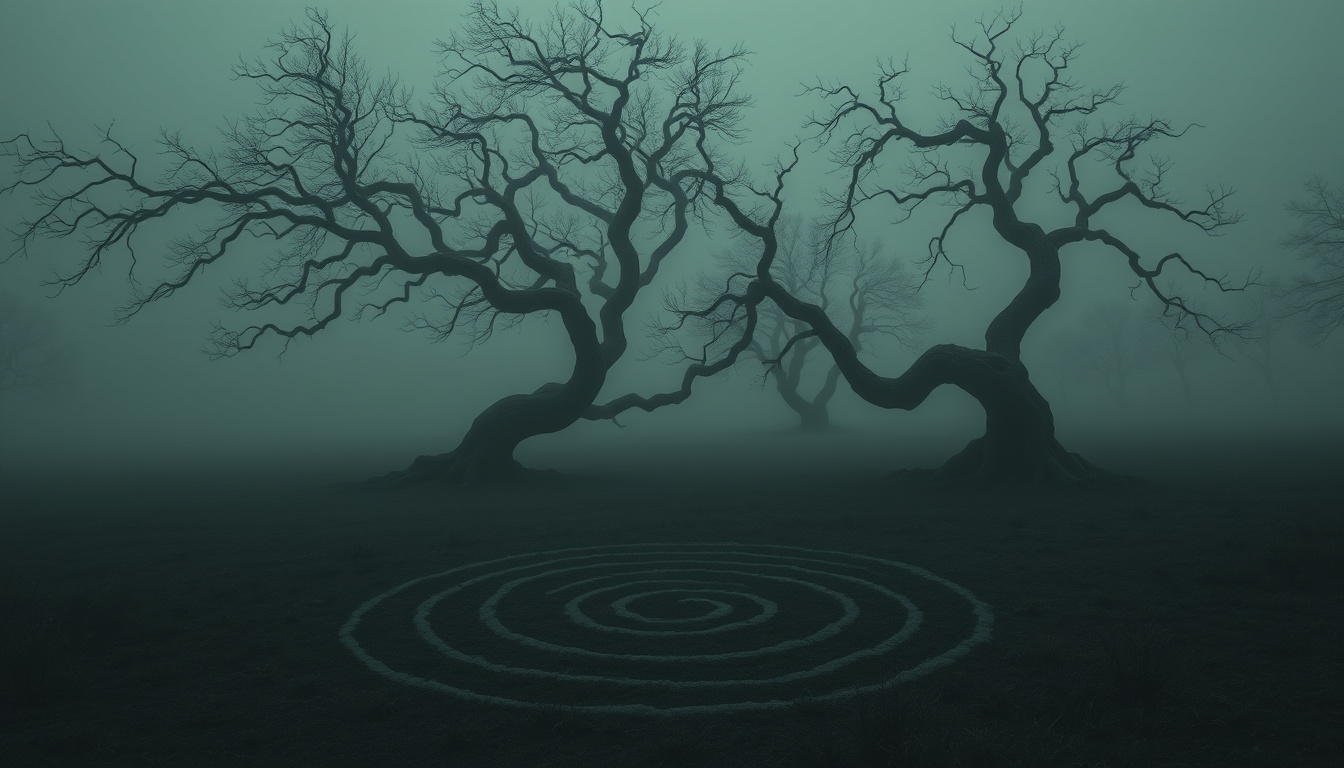
The spiral (uzumaki) in the series of the same name is a curse that manifests in increasingly irrational ways. It is a symbol of obsession, fate, and the breakdown of reality. The story begins with small, strange occurrences — hair curling into spirals, pottery patterns moving — and escalates until the entire town is consumed. It is not a real phenomenon but a fictional construct designed to evoke cosmic dread.
What Is Gyo by Junji Ito About?
Gyo centers on fish that are infected or controlled by a deadly bacterial strain. These fish grow mechanical‑like legs and begin walking on land, attacking humans and spreading contagion. The story combines body horror with environmental anxiety, and its two volumes escalate from localized strangeness to a full‑scale catastrophe. It is shorter and more directly grotesque than Uzumaki, making it a strong choice for readers who prefer fast‑paced horror.
Where Can I Read Junji Ito Manga Online?
The most reliable way to read Junji Ito’s manga in English is through official publisher channels. VIZ Media holds the rights to most of his major works in North America and offers them in print and digital formats. Their website lists available titles and provides purchase links.
For digital reading, platforms such as ComiXology, Amazon Kindle, and the VIZ Media app carry official English translations. Crunchyroll also offers a selection of Ito’s manga as part of its subscription service, though availability varies by region. Readers looking for physical copies can find collected volumes at major bookstores and online retailers.
It is worth noting that fan translations exist, but they may be incomplete, inaccurate, or taken down. Official releases support the creator and ensure the highest quality reproduction of Ito’s detailed artwork.
How Did Junji Ito’s Career Unfold Over Time?
The following timeline highlights the major release milestones in Junji Ito’s career, from his debut to the present day. Dates are based on verified sources.
- — Debuts with Tomie in Monthly Halloween magazine.
- — Serializes Uzumaki (Spiral).
- — Publishes Gyo (The Death Stench Creeps).
- — Publishes Remina (Hellstar Remina).
- — Wins the Eisner Award for Uzumaki.
- — Junji Ito Collection anime premieres on Crunchyroll.
- — Netflix releases Junji Ito Maniac: Japanese Tales of the Macabre.
- — Uzumaki anime adaptation scheduled for release on Adult Swim / Crunchyroll.
What Is Confirmed and What Is Still Uncertain About Junji Ito’s Work?
When researching Junji Ito, it helps to separate established facts from information that remains unclear or in flux.
| Established Information | Information That Remains Unclear |
|---|---|
| Junji Ito created Tomie, Uzumaki, and Gyo. (Confirmed by official publisher and Wikipedia.) | The exact release date of the Uzumaki anime adaptation has not been finalized as of early 2025. The project has experienced multiple delays. |
| He was born July 31, 1963, in Gifu Prefecture, Japan. | Whether Junji Ito Maniac is a direct sequel to Junji Ito Collection is not officially stated; both are anthology series, but Maniac is a separate Netflix original project. |
| He won an Eisner Award in 2008 for Uzumaki. | The total number of Tomie films varies by source; some counts list eight films, but availability and cataloging differ across regions. |
Why Does Junji Ito’s Horror Resonate Across Cultures?
Junji Ito’s work transcends cultural boundaries because his horror is rooted in universal anxieties: obsession, contamination, loss of control, and the fragility of the ordinary. His art style — precise linework, expressive faces, and detailed depictions of grotesque transformation — creates a visual language that does not rely on dialogue or cultural references to communicate fear. As one critic noted, his stories often begin with a single bizarre premise that becomes increasingly irrational, rather than relying on conventional monsters or jump scares.
Thematically, Ito’s work frequently explores obsession, compulsion, curse‑like repetition, and the collapse of everyday life into nightmare. These themes are accessible to readers anywhere, which helps explain why works like Uzumaki and “The Enigma of Amigara Fault” have become iconic across manga, anime, film, and internet horror fandoms. His influence has helped define modern manga horror for global audiences.
What Do Critics and the Creator Himself Say About His Work?
Junji Ito has spoken about his creative process in multiple interviews, and his work has drawn praise from prominent figures in film and literature.
“I want to draw things that are impossible to exist in reality.”
— Junji Ito, interview with VIZ Media
“His work is the closest thing to pure horror in manga form.”
— Guillermo del Toro, public endorsement
These statements reflect the consensus among readers and critics: Ito’s strength lies in his ability to make the impossible feel terrifyingly plausible. His art is widely praised for its meticulous detail and for the way it captures both the mundane and the monstrous in the same frame.
What’s the Best Way to Start with Junji Ito’s Work?
For anyone new to Junji Ito, the most practical path is to begin with Tomie or Uzumaki, then move through Gyo and a short‑story collection. Official English editions are available through VIZ Media, and the anime adaptations — while uneven — offer a different way to experience his stories. You can also explore our Best Horror Manga to Read for more recommendations in the genre. With a career spanning nearly four decades and new projects still in development, Junji Ito remains a central figure in horror manga.
Frequently Asked Questions About Junji Ito
Is Junji Ito still making manga?
Yes, Junji Ito continues to write and illustrate new horror manga under VIZ Media and other imprints.
How many Junji Ito books are there?
Over 30 volumes including collections, hardcovers, and deluxe editions. The exact count depends on format and region.
Is Uzumaki about a real spiral?
The spiral (uzumaki) is a fictional curse. It is a symbol of obsession and fate, not a real phenomenon.
Is Tomie based on a true story?
No. Tomie is entirely fictional, though inspired by Ito’s fascination with beautiful but dangerous women.
Where can I watch Junji Ito anime?
Both Junji Ito Collection and Junji Ito Maniac are available on Crunchyroll.
Is Junji Ito the same as Naruto?
No. Naruto is a different manga/anime. The word Uzumaki appears in both, but they are unrelated.
What is Junji Ito’s most famous story?
Uzumaki is widely considered his most famous and critically acclaimed work.
Are Junji Ito’s manga suitable for children?
Most of his work contains graphic horror, body horror, and disturbing themes. It is generally recommended for older teens and adults.
Does Junji Ito have any awards?
Yes, he won the Eisner Award in 2008 for Uzumaki.
What does “uzumaki” mean in Japanese?
“Uzumaki” (渦巻き) means “spiral” or “vortex” in Japanese.

Amelia Grant is Local Government Editor at RegionalReport.co.uk, covering council decisions, regional public policy, combined authorities, planning, housing and transport.