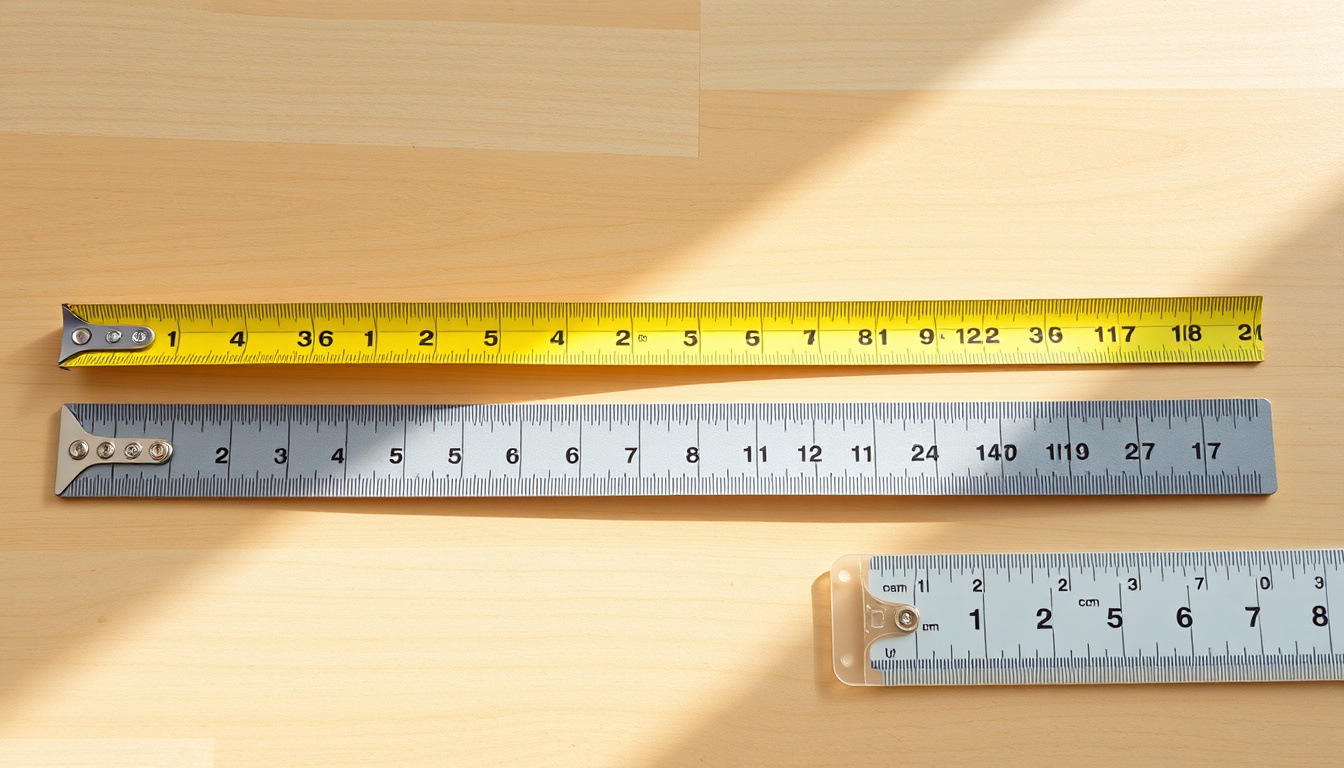
Converting 174 centimeters to feet comes up with a precise figure that many people find useful when comparing height measurements across different systems. Whether for medical documentation, clothing sizes, or general curiosity, understanding exactly what 174 cm represents in imperial units helps bridge the gap between metric and imperial measurement standards used around the world.
The conversion from centimeters to feet involves a straightforward mathematical formula established by international agreement. One foot equals exactly 30.48 centimeters, which allows for precise conversion of any centimeter measurement to its imperial equivalent. This relationship forms the foundation of how measurements are converted between the two systems.
For those specifically asking what 174 cm translates to in feet and inches, the answer involves both decimal feet and a more commonly used feet-and-inches representation. Understanding both formats helps when reading different types of documentation or when communicating height in various contexts where either format might be preferred.
What is 174 cm in feet and inches?
When converting 174 centimeters using the standard formula where feet equals centimeters divided by 30.48, the result comes to approximately 5.71 feet in decimal form. Breaking this down further, the integer portion represents the full feet, while the decimal portion converts to inches by multiplying by 12.
- The calculation 174 ÷ 30.48 equals approximately 5.708 feet in decimal form
- The fractional part (0.708) multiplied by 12 gives 8.5 inches
- Rounding conventions typically show this as 5’8.5″ or 5’9″ for simplicity
- This differs from exactly 5’9″ which would require 175.26 cm
- The conversion is exact with no rounding error in the mathematical sense
- Regional height averages vary considerably across different countries
| Metric | Imperial | Notes |
|---|---|---|
| 174 cm | 5 ft 8.5 in | Exact conversion result |
| 174 cm | 5.71 ft | Decimal representation |
| 174 cm | 68.5 inches | Combined inch measurement |
| Height category | Average to tall | Varies by region and gender |
| 1.74 m | 5.709 feet | Metric form |
Is 174 cm the same as 5’9″?
The common question of whether 174 cm equals 5’9″ reflects the tendency to round measurements to the nearest whole inch. While 174 cm converts to 5 feet and 8.5 inches, many people round this to 5’9″ for simplicity. However, mathematically speaking, 174 cm falls short of the exact 5’9″ measurement.
To understand this distinction clearly, consider that 5’9″ in centimeters requires multiplying 69 inches by 2.54 cm per inch, which yields exactly 175.26 cm. This means 174 cm sits approximately 1.26 centimeters below the true 5’9″ mark, a difference of about half an inch that becomes noticeable in precise measurements.
Comparing nearby height measurements
Height differences of just one or two centimeters can matter in various contexts, from clothing fit to medical screenings. Understanding how 174 cm sits relative to nearby measurements provides useful perspective on where exactly this height falls in the continuum of common height measurements.
| Centimeters | Feet (decimal) | Feet and inches |
|---|---|---|
| 172 cm | 5.64 | 5 ft 7.7 in |
| 173 cm | 5.68 | 5 ft 8.1 in |
| 174 cm | 5.71 | 5 ft 8.5 in |
| 175 cm | 5.74 | 5 ft 8.9 in |
| 176 cm | 5.77 | 5 ft 9.3 in |
| 177 cm | 5.81 | 5 ft 9.7 in |
| 178 cm | 5.84 | 5 ft 10.1 in |
In everyday conversation, 174 cm is often described as “about 5’9″” because it rounds to the nearest inch. However, for purposes requiring precision such as medical records or tailoring, the exact value of 5’8.5″ should be used to avoid cumulative errors.
What is the ideal weight for 174 cm height?
Determining an ideal weight for someone who is 174 cm tall requires considering several factors including age, gender, body frame, and overall health goals. While no single ideal weight exists for this height, body mass index provides a useful general framework for assessing healthy weight ranges.
Body mass index calculates as weight in kilograms divided by height in meters squared. For a 174 cm person, this means dividing weight by 3.0276 (the square of 1.74). The generally recommended BMI range of 18.5 to 24.9 translates to different weight targets depending on whether someone is male or female and their specific body composition.
Understanding BMI ranges for 174 cm
Using the standard BMI formula, someone at 174 cm who weighs between approximately 60 and 75 kilograms would typically fall within the healthy BMI range of 18.5 to 24.9. These figures represent general guidelines rather than absolute targets, as muscle mass, bone density, and other factors influence what constitutes a healthy weight for any individual.
| BMI Category | Weight range (kg) | Notes |
|---|---|---|
| Underweight | Below 56 kg | BMI below 18.5 |
| Normal range | 56-75 kg | BMI 18.5-24.9 |
| Overweight | 75-90 kg | BMI 25-29.9 |
| Obese | Above 90 kg | BMI 30 or higher |
BMI serves as a screening tool rather than a definitive measure of health. Athletes with high muscle mass may register as overweight despite low body fat, while elderly individuals might fall in the normal range despite health concerns. Consultation with healthcare professionals provides personalized guidance appropriate to individual circumstances.
How does 174 cm height compare to average measurements?
Average height varies significantly across different regions, age groups, and populations. For adult males in many Western countries, 174 cm falls slightly below or around the national average, while for adult females it typically exceeds the average by a notable margin.
In the United States, average male height hovers around 175 cm according to available health data, making 174 cm nearly equivalent to the average American man. For American women, average height runs approximately 162 cm, meaning 174 cm would place a woman notably above average compared to CDC height data.
European averages show similar patterns, though specific figures vary by country. Many European nations report average male heights between 174 and 180 cm, placing 174 cm at or slightly below the midpoint in several countries. Regional genetic factors, nutrition patterns, and age demographics all influence these averages.
Height in clothing and fashion contexts
Clothing manufacturers often design garments based on standard height ranges, and 174 cm typically falls within or just above the standard range for men’s clothing in many markets. For women’s clothing, this height frequently exceeds standard sizing assumptions, potentially affecting pant length and sleeve measurements.
Average height statistics differ considerably between countries and demographic groups. Data from one region may not apply to populations with different genetic backgrounds, nutritional histories, or age structures. Official health organization databases provide the most reliable comparisons for specific populations.
Understanding the conversion formula and its precision
The mathematical relationship between centimeters and feet rests on an internationally agreed definition: one foot equals exactly 30.48 centimeters. This exact ratio allows for precise conversion without approximation, as the values derive from the formal definition of the foot in terms of the meter.
To convert centimeters to feet, the formula divides the centimeter value by 30.48. For inches, the process takes the decimal portion of the feet value and multiplies by 12. This yields results that can be expressed with any level of decimal precision, though practical applications typically round to the nearest eighth or sixteenth of an inch.
Established versus variable aspects
- The mathematical conversion of 174 cm to feet equals exactly 5.708661 feet before rounding
- The conversion factor of 30.48 cm per foot is precisely defined and never varies
- The relationship between inches and centimeters (2.54 cm per inch) is equally precise
- The breakdown into 5 feet and 8.5 inches follows directly from applying standard conversion rules
- How different sources round the result (5’8″ versus 5’9″) depends on their rounding conventions
- Whether 174 cm qualifies as “tall” or “average” depends entirely on the reference population
- Ideal weight ranges vary based on individual factors including age, gender, and body composition
- Clothing fit expectations differ across fashion markets and sizing systems
The formula itself appears in conversion tools across numerous websites including RapidTables and The Calculator Site, all producing consistent results because they apply the same defined conversion factor.
Metric and imperial measurement systems background
The coexistence of metric and imperial measurement systems reflects different historical development paths that continue to affect international commerce, science, and daily life in various countries. The metric system originated in French scientific circles during the late eighteenth century, while imperial units developed over centuries in Britain before spreading through colonial influence.
Today, most countries officially use the metric system, though the United States, Liberia, and Myanmar maintain primary use of imperial units for everyday measurements. The United Kingdom uses a hybrid approach where imperial measurements persist in certain contexts while metric dominates in scientific and commercial settings.
The precise relationship between these systems was formalized internationally, with the yard defined as exactly 0.9144 meters in 1959. This definition cascades through to all other conversions, meaning that feet, inches, and their subdivisions now have fixed relationships to their metric counterparts, as documented by NIST standards.
Reliable sources for height conversions
Several established resources provide reliable height conversion data, applying the standardized formulas consistently to produce accurate results. These range from dedicated conversion websites to broader measurement reference tools.
The conversion factor of 30.48 centimeters per foot derives from the international agreement defining the foot in terms of the meter, ensuring consistency across all conversion calculations.
— NIST metric conversion standards
Specialized conversion websites like Calculat.io and CalculateMe offer instant calculations for any centimeter value. These tools apply the same underlying formula, making them reliable for quick reference. Health-focused resources and government statistical agencies provide additional data on population height distributions that contextualize what any specific height measurement means relative to broader populations.
For those comparing currency and measurement conversions across different systems, similar principles apply. Just as centimeters convert precisely to feet, understanding exchange rates requires recognizing the fixed mathematical relationships underlying different currency systems. Resources like the guide on £100 in Dollars demonstrate how conversion principles apply across different types of measurements.
Summary
Converting 174 cm to feet yields exactly 5 feet and 8.5 inches, or approximately 5.71 feet in decimal form. This measurement sits slightly below the commonly rounded figure of 5’9″, which actually corresponds to 175.26 cm. The conversion uses the fixed relationship of 30.48 centimeters per foot, making the calculation precise and reproducible across any source that applies the standard formula.
While the mathematical conversion involves no uncertainty, contextual factors like what constitutes average or ideal vary considerably based on gender, age, region, and individual health factors. For precise applications requiring exact measurements, using the full value of 5’8.5″ provides better accuracy than rounding to 5’9″. For further measurement conversions, resources covering topics like 30 Euros in Pounds offer similar conversion guidance for different unit types.
Frequently asked questions
What is 175 cm in feet?
175 cm converts to approximately 5 feet and 8.9 inches (5’8.9″), which many people round to 5’9″. The decimal feet equivalent is 5.74 feet.
How much is 5 foot 6 in centimeters?
5 foot 6 inches equals 66 inches total, which multiplies by 2.54 cm per inch to give exactly 167.64 cm.
What is 172 cm in feet and inches?
172 cm converts to approximately 5 feet and 7.7 inches (5’7.7″), with a decimal equivalent of 5.64 feet.
Is 174 cm considered tall for a woman?
174 cm exceeds average female height in most countries, where averages typically range from 158 to 165 cm. This would place someone above average, though height perceptions vary by region.
How accurate is rounding 174 cm to 5’9″?
Rounding 174 cm to 5’9″ introduces an error of approximately 1.26 cm (half an inch). For casual conversation this rounding is common, but precise applications should use 5’8.5″.
What is 178 cm in feet?
178 cm equals approximately 5 feet and 10.1 inches (5’10.1″), with a decimal equivalent of 5.84 feet. This is notably taller than 174 cm by about 1.6 inches.
How do I convert feet back to centimeters?
To convert feet to centimeters, multiply the total inches by 2.54. For example, 5 feet 8 inches equals 68 inches multiplied by 2.54, yielding 172.72 cm.

Amelia Grant is Local Government Editor at RegionalReport.co.uk, covering council decisions, regional public policy, combined authorities, planning, housing and transport.