
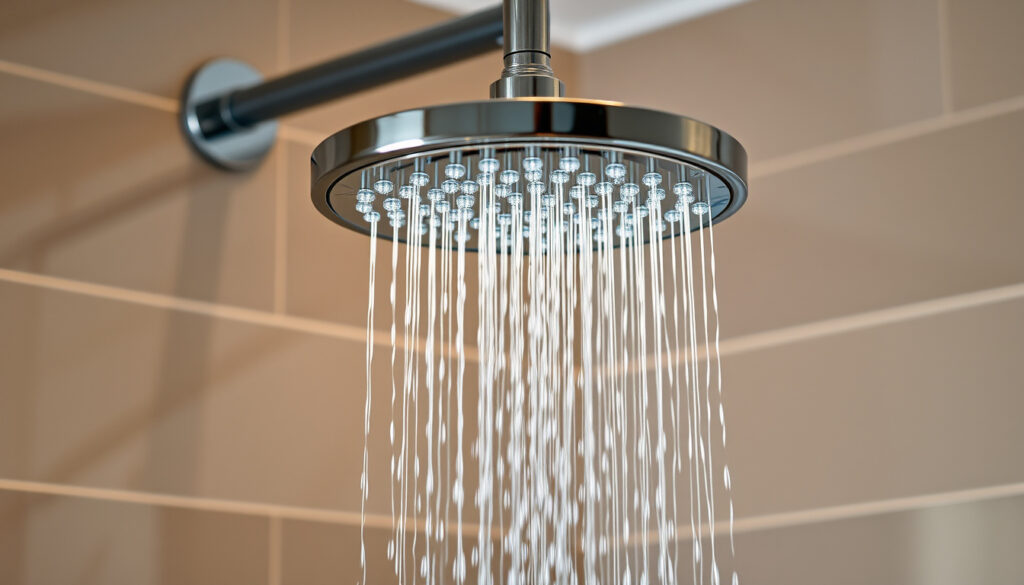
Choosing a new shower head is one of the simplest ways to upgrade a bathroom. The market in 2025 offers a wide range of options, from rainfall heads that promise a spa-like experience to high-pressure models designed for homes with weak water flow. But with so many types and claims, finding the right fit for a UK home requires understanding how water pressure, plumbing, and personal needs intersect.
This guide breaks down the main types of shower heads, explains how to match one to your water pressure, and looks at whether water-saving and filtered models live up to the hype. It draws on expert reviews, manufacturer specifications, and UK-specific buying considerations.
What are the different types of shower heads?
The first step is understanding the main categories. Each type serves a different purpose, and the best choice depends on what you value most: coverage, flexibility, pressure, or efficiency.
Best for: Luxury and coverage
Key Feature: Wide, even spray pattern
Best for: Versatility and cleaning
Key Feature: Detachable with hose
Best for: Weak water pressure
Key Feature: Aerating or laminar flow technology
Best for: Efficiency and water quality
Key Feature: Reduced flow rate or built-in filtration
Here are the key insights from recent reviews and testing:
- Shower head choice depends primarily on your home’s water pressure system (combi boiler vs gravity-fed).
- Rainfall heads offer luxury but often reduce pressure; handheld heads offer flexibility.
- Water saving heads can reduce flow by 40% without noticeable pressure loss using aerating technology.
- Filtered heads are essential for hard water areas to prevent limescale buildup and improve hair and skin health.
- Most shower heads are universal fit (1/2 inch BSP) and can be installed without a plumber.
- Rainfall shower heads are consistently described as delivering a spa-like, wide, even spray, but they are most appealing when you want comfort and coverage rather than the strongest jet.
- Handheld shower heads are better if you want flexibility, easier cleaning, or help washing hair, children, or pets.
| Fact | Value |
|---|---|
| Standard connection size | 1/2 inch BSP (universal in UK) |
| Average flow rate (UK) | 8-12 litres per minute |
| Water saving heads reduce to | 6-8 litres per minute |
| Replacement frequency | Every 6-12 months (or when clogged) |
| Most popular type in UK | Handheld shower head |
How do I choose the best shower head for my water pressure?
Water pressure is the single most important factor when selecting a shower head. In the UK, homes typically have either a combi boiler system (high pressure) or a gravity-fed system (low pressure). Choosing a head that is not compatible with your system can lead to a disappointing shower.
What is the best shower head for high water pressure?
Homes with a combi boiler or a pumped system generally have strong, consistent pressure. In these cases, almost any type of shower head will work well. Rainfall heads, which can feel weak under low pressure, perform best here. The Moen S6320 Velocity Two-Function Rainshower is frequently cited as a top choice for its strong rain-style coverage and premium design.
What is the best shower head for low water pressure?
For gravity-fed systems or homes with naturally low pressure, a high-pressure shower head is the best solution. These heads use aerating technology—mixing air with water—to create a fuller, more forceful spray without increasing actual water usage. The HammerHead Solid Metal 3-Spray Handheld and 8-inch Rain Head are specifically recommended to improve performance under low water pressure.
If you have an electric shower or very low pressure, UK guides generally prioritise practical low-flow or pressure-optimised designs over large rainfall heads. A model that performs well in the US can still be useful in the UK, but you should confirm fitting compatibility and whether it is suitable for UK shower pressure conditions.
Are water saving and filtered shower heads worth it?
Two categories that generate a lot of questions are water-saving and filtered shower heads. Both promise benefits, but their effectiveness depends on the technology and your specific water conditions.
Are water saving shower heads effective?
Yes, when properly designed. Water-saving heads certified by the Water Regulations Advisory Scheme (WRAS) are effective and must not exceed 8 litres per minute. Testing from Consumer Reports and Business Insider highlights that efficient heads can balance spray quality with reduced water use. The High Sierra Classic All Metal 1.5 GPM is a good example of a low-flow design that maintains a solid feel.
Do filtered shower heads work?
Filtered shower heads are positioned as the best option if you want to reduce chlorine and some metals. The strongest claims come from lab-verified or NSF-verified models. The Hydroviv Filtered Showerhead, for example, is noted for lab-verified chlorine and heavy metal removal and installs in under a minute. For hard water areas, filtered heads can help prevent limescale buildup and improve skin and hair comfort.
The UK has varying levels of water hardness. In hard water areas, limescale can clog shower heads quickly. Filtered models and those with silicone nozzles (like Hansgrohe’s QuickClean technology) are designed to make cleaning easier and extend the life of the head.
How do I install a shower head and how often should I replace it?
Installation and maintenance are straightforward for most modern shower heads, but there are a few things to keep in mind.
How do I install a shower head?
Most modern shower heads are easy to install, often by simply unscrewing the old head and screwing on the new one by hand. Several tested models reportedly install in under 15 minutes, often with no tools needed. You should check whether the product includes plumber’s tape, a wrench, or other hardware, because some models include everything and others do not. Compatibility matters: check that the head fits your existing shower arm and plumbing setup before buying. Some handheld or dual systems may require separate parts such as an arm or trim kit if you are upgrading the whole setup rather than replacing only the head.
How often should I replace my shower head?
A general recommendation is to replace a shower head every 6 to 12 months, or sooner if it becomes clogged or the spray pattern becomes uneven. Regular cleaning by soaking in white vinegar can help remove limescale and extend its life.
Which shower head brand is most reliable?
Brand reliability varies. Hansgrohe is a premium manufacturer with high technical authority and offers QuickClean technology. Moen and High Sierra are also frequently recommended in reviews for their build quality and performance. Budget brands may offer good value but can have variable long-term durability.
How has the shower head evolved over time?
The shower head has changed significantly over the past few decades, moving from a simple functional item to a key part of bathroom design and water management.
- Pre-2000: Basic fixed shower heads dominate the market.
- 2000-2010: Handheld heads gain popularity; first water saving regulations are introduced.
- 2010-2020: Rainfall heads become mainstream; filtered heads emerge as a niche product.
- 2020-2025: Smart shower heads with temperature control appear; eco-certifications become standard.
- 2025+: Focus shifts to sustainability, smart home integration, and pressure-boosting technology.
What is certain and what remains unclear about shower head performance?
When evaluating shower heads, some facts are well established, while other claims require caution.
| Established Information | Information That Remains Unclear |
|---|---|
| Universal 1/2 inch BSP fitting works with almost all UK shower arms. | Effectiveness of ‘high pressure’ heads depends on incoming mains pressure (not guaranteed). |
| Water saving heads certified by WRAS are effective. | Rainfall heads may not suit low-pressure gravity-fed systems without a pump. |
| Filtered heads reduce chlorine and sediment in hard water areas. | Long-term durability varies significantly between budget and premium brands. |
What does the expert analysis say about choosing a shower head?
Analysis of how water pressure (combi boiler vs gravity-fed system) determines the best shower head choice is central to making a good decision. Aerating technology mixes air with water to create a fuller spray, while laminar flow produces a clear, non-aerated stream. The UK water hardness map shows that much of the south and east of England has hard water, which directly impacts shower head longevity. Brand reliability can be evaluated based on warranty length and customer feedback, with premium brands like Hansgrohe offering longer guarantees.
What do the sources and reviews say?
Several authoritative sources provide guidance on choosing a shower head.
“Water saving shower heads must not exceed 8 litres per minute to be certified.”
— Water Regulations Advisory Scheme (WRAS)
“QuickClean technology uses silicone nozzles to easily remove limescale.”
— Hansgrohe technical documentation
“The best shower heads can transform your daily routine without requiring a full bathroom renovation.”
— The Telegraph review (2026)
What is the best shower head for your needs in 2025?
The best shower head depends entirely on your home’s plumbing and your personal priorities. For a filtered all-rounder, the Hydroviv Filtered Showerhead is a strong choice. For rain-style comfort, the Moen S6320 Velocity Two-Function Rainshower stands out. If you have weak pressure, the HammerHead Solid Metal models are specifically recommended. For water saving, the High Sierra Classic All Metal 1.5 GPM is a reliable option. And for a combination of rain, handheld, and filtration, the Cobbe 12 Inch All Metal Rain Shower Head with Handheld offers a versatile package. For more detailed comparisons, see the Best Shower Heads Guide and the Best Rainfall Shower Heads 2025.
Frequently Asked Questions
Can I use any shower head with my existing shower?
Yes, most UK shower heads use a standard 1/2 inch BSP connection. However, check if your system is electric (which may have specific requirements) or mixer.
Do shower heads affect water pressure?
Yes. Some heads (like rainfall) can reduce pressure, while others are designed to boost perceived pressure through aerating technology.
What is the best material for a shower head?
Brass and stainless steel are most durable. Plastic is lighter and cheaper but may crack over time.
How do I clean a clogged shower head?
Soak in white vinegar overnight to dissolve limescale, then scrub with a brush.
What is the best shower head for hard water?
A filtered shower head with silicone nozzles is best for hard water areas, as it reduces limescale buildup and is easier to clean.
Are high-pressure shower heads a gimmick?
No, but their effectiveness depends on your home’s incoming mains pressure. They use aerating technology to create a stronger feel, but they cannot increase actual water pressure.
How do I know if my shower head is universal fit?
Most modern shower heads use a 1/2 inch BSP thread, which is the standard in the UK. Check the product specifications to confirm.
What is the difference between aerating and laminar flow?
Aerating mixes air with water for a fuller, softer spray. Laminar flow produces a clear, non-aerated stream that is often more forceful.
Can a filtered shower head help with hair loss?
Some users report that reducing chlorine and other chemicals can improve scalp health and hair condition, but there is no strong evidence that it prevents hair loss.
What is the best shower head for an elderly person?
A handheld shower head with a long hose and an easy-grip handle is often recommended for elderly users, as it offers flexibility and reduces the need to stand.

Sophie Kendall is Culture & Communities Editor at RegionalReport.co.uk, covering community stories, arts, culture, festivals, local events and heritage.