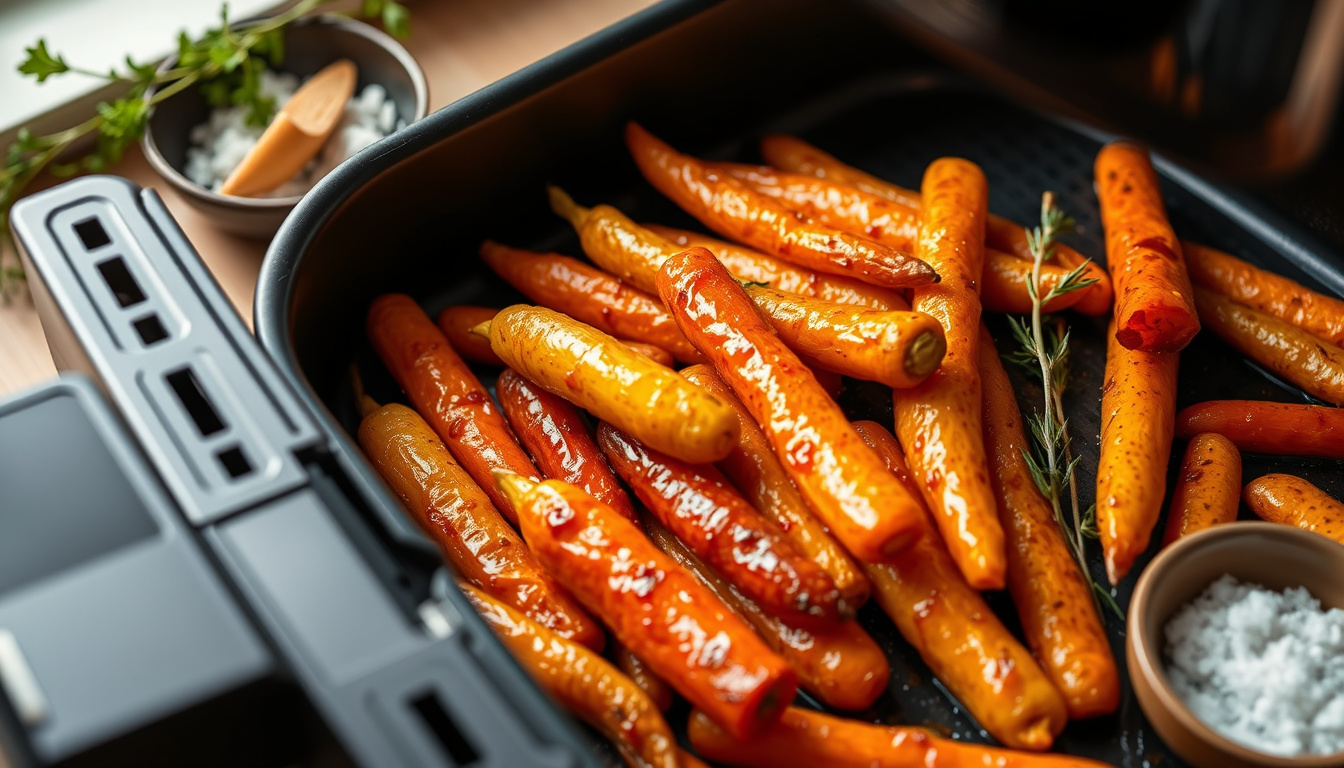

Roasting carrots and parsnips together is a simple side dish that balances natural sweetness with earthy depth. The key is cutting them into similar-sized batons so they cook evenly. Most recipes start with a preheated oven at 200°C (400°F) and a coating of oil, salt, and pepper. Total time from prep to plate is roughly 40 minutes.
| Total Time | Oven Temperature | Key Ingredient | Difficulty |
|---|---|---|---|
| Approx. 40 min | 200°C (400°F) | Honey, oil, salt | Easy |
Several insights help ensure consistent results. Carrots cook faster than parsnips, so cutting parsnips slightly smaller helps them finish at the same time. Honey caramelises at high heat and can burn if not watched; brushing it on mid-roast or using a lower temperature (180°C) prevents this. Parboiling – briefly boiling the vegetables before roasting – softens the interior for a creamier texture and is especially useful for thick chunks. Air frying reduces the total cooking time by about 20% and produces a crispier exterior without deep frying. For a lower‑sugar option, savory alternatives such as Parmesan, balsamic, or fresh herbs deliver just as much flavour.
- Roasting carrots and parsnips together balances sweetness and earthiness; carrots cook faster so cut parsnips smaller.
- Honey caramelises at high heat but can burn – brush mid‑cook or use lower temperature.
- Parboiling softens vegetables for a creamier interior and ensures even cooking with larger chunks.
- Air fryer reduces time by 20% and yields crispier exteriors without deep frying.
- Savory alternatives (Parmesan, balsamic, herbs) offer lower sugar options without sacrificing flavor.
| Fact | Value |
|---|---|
| Prep time | 10 minutes |
| Oven cook time | 25–35 minutes |
| Air fryer cook time | 15–20 minutes |
| Servings (as a side) | 4 |
| Calories per serving | 150–200 kcal (depends on oil/honey) |
| Key nutrients | Vitamin A (carrots), Fiber (parsnips), Vitamin C |
| Standard oven temperature | 200°C (400°F) |
| Honey‑safe temperature | 180°C (350°F) to avoid burning |
Honey Roasted Carrots and Parsnips: Sweet and Sticky Variations
Honey is one of the most common sweet glazes for this dish. A typical coating combines honey, olive oil, salt, and herbs such as thyme or rosemary. Some recipes add vinegar or mustard to balance the sweetness. BBC Good Food’s version, for example, mixes oil, honey, mustard, vinegar, and rosemary before tossing over the vegetables. The result is glossy, caramelised, and ideal for festive meals.
Jamie Oliver‑Style Honey Roast
Jamie Oliver’s general approach to roast vegetables emphasises high heat, good colour, and simple seasoning. For honey‑roasted carrots and parsnips, he typically uses honey, thyme, and a splash of balsamic vinegar, though a direct recipe was not included in the reviewed sources. The style stays straightforward: olive oil, salt, pepper, fresh herbs, and a sweet‑tangy finish. His official honey‑roasted carrot recipe follows that pattern.
BBC Good Food’s Honey Roast
The BBC Good Food recipe is one of the most referenced. It calls for honey, wholegrain mustard, cider vinegar, and rosemary. The instructions advise tossing the vegetables in the mixture and roasting at 200°C until tender. A nutritionist‑reviewed version is available on their site. The recipe notes that honey can be swapped with maple syrup at a 1:1 ratio for a vegan alternative.
If your oven runs hot, reduce the temperature to 180°C (350°F) or add the honey only after the first 15 minutes of roasting. Tossing the vegetables halfway also helps distribute heat evenly.
How to Roast Carrots and Parsnips in an Air Fryer
Air frying carrots and parsnips has become popular because it cuts cooking time and yields a crisp exterior without much oil. Several tested approaches exist, with or without parboiling.
No‑Parboil Air Fryer Method
Recipes from sources like The Gluten Free Blogger and Sew White skip parboiling entirely. The Gluten Free Blogger air‑fries at 200°C for 8 minutes, tosses, then continues for 8–10 more minutes. Thicker pieces may need an additional 2–4 minutes. Their coating uses honey, olive oil, salt, apple cider vinegar, and thyme. Sew White sets the air fryer to 180°C and cooks for about 15 minutes total, noting that carrots need 10–15 minutes and parsnips 12–15 minutes depending on thickness.
Parboiled Air Fryer Method
Feast Glorious Feast parboils carrots and parsnips until just fork‑tender (about 20 minutes), then air‑fries at 200°C for 20 minutes, turning after 15 minutes. This method produces a soft interior and crisp outside, closer to a traditional Sunday‑roast texture.
Air fryer models differ in performance. Start checking at 12 minutes for thin batons and 15 minutes for standard chunks. If using a basket air fryer, cook in two batches to avoid overcrowding.
Summary of air fryer timings: thin batons about 15–18 minutes; standard chunks 18–20 minutes; parboiled vegetables about 20 minutes after boiling; very thick pieces may need extra time in 2–4 minute increments.
Roast Carrots and Parsnips Without Honey: Savory and Tangy Alternatives
Not every cook wants a sweet glaze. Savory versions rely on olive oil, salt, pepper, garlic powder, rosemary, or thyme. Parmesan adds a salty, umami crust, while balsamic or apple cider vinegar brings acidity. These variations work well with roasted meats or when serving a less glossy side dish.
Parmesan Roast Parsnips and Carrots
The BBC Food Parmesan roast parsnips and carrots recipe tosses the vegetables with oil, salt, pepper, garlic, and herbs, then adds finely grated Parmesan near the end of cooking. The cheese forms a crisp, golden crust that pairs well with rosemary and black pepper.
Maple Balsamic Roasted Carrots and Parsnips
Maple syrup is a common honey substitute, especially for vegan diets. Sneaky Veg’s maple balsamic variation combines maple syrup, olive oil, balsamic vinegar, salt, and thyme. The balsamic adds a sweet‑tangy finish that cuts through the richness of the vegetables.
Mary Berry‑Style Savory Roast
Mary Berry’s recipes tend to be classic and British. For roast carrots and parsnips, she often uses butter or oil, a touch of honey for festive occasions, or a simple herb mix for everyday meals. A direct recipe from her was not found in the reviewed sources, but her style leans toward even browning and a polished finish.
Because home ovens and air fryers vary, always test doneness with a fork. The vegetables should be tender throughout but still hold their shape. If they brown too quickly, lower the temperature or cover loosely with foil.
Step‑by‑Step Roasting Timeline
A clear timeline helps avoid overcooking or undercooking. Below is a typical sequence from prep to serving.
- 0:00 – Preheat oven to 200°C (or air fryer to 200°C). Wash and peel carrots and parsnips.
- 0:05 – Chop into uniform batons or chunks. If parboiling, boil for 3–5 minutes, then drain.
- 0:10 – Toss with oil, seasoning, and any sweetener or herbs.
- 0:15 – Spread in a single layer on a baking sheet or in the air fryer basket.
- 0:20 – Roast for 15 minutes (air fryer) or 20–25 minutes (oven), then flip halfway.
- 0:35 – Check tenderness with a fork. For extra crispiness, finish under the broiler for 1–2 minutes.
What Is Certain – and What Isn’t – About Roasting Carrots and Parsnips
| Established Information | Information That Remains Unclear |
|---|---|
| Oven temperature of 200°C (400°F) works well for most recipes. | Exact roasting time depends on vegetable size and oven calibration – always test with a fork. |
| Honey can be substituted with maple syrup at a 1:1 ratio. | Air fryer models vary; start checking at 12 minutes for thin batons. |
| Parboiling reduces total roast time by about 5 minutes. | Personal preference for doneness (tender vs. crispy) affects timing. |
Context: How Different Styles Compare
The sweet honey glaze (BBC Good Food style), the savory Parmesan crust (BBC Food style), the tangy maple balsamic approach (Sneaky Veg), and the classic British honey‑butter finish (Mary Berry) each highlight different flavour profiles: sweet, umami, tangy, and traditional. The air fryer method is modern and faster but often requires batch cooking because of limited basket space. These variations suit different occasions – honey‑glazed for holidays, Parmesan for a weekday side, maple balsamic for a vegan meal. Understanding the trade‑offs helps cooks pick the right version for their table.
Sources and Quotes
“Mix the oil, honey, mustard, vinegar and rosemary together with some seasoning. Pour this over the veg, toss to coat.”
BBC Good Food – Honey‑roasted carrots & parsnips
Jamie Oliver’s general style, as described in his recipes, uses honey, thyme, and balsamic for sticky roast vegetables. Mary Berry’s approach, while not directly quoted from the sources, is known for butter‑based glazes and polished presentation.
Choosing Your Approach
The best method depends on the occasion and personal taste. Sweet glazes suit holiday tables, savory versions work for everyday meals, and air frying offers speed. For a complete guide to other Easy Roasted Root Vegetables, see our dedicated recipe collection. The Air Fryer Roasted Vegetables Guide also covers additional variations.
Frequently Asked Questions
What is the best temperature to roast carrots and parsnips?
200°C (400°F) is standard; 180°C (350°F) if using honey to avoid burning.
Can I roast carrots and parsnips without peeling?
Yes, scrub well; unpeeled adds fiber and rustic texture, but peel for tenderness.
How do I prevent honey from burning?
Use lower heat, toss vegetables mid‑roast, or add honey after the first 15 minutes.

Henry Wallace is Managing Editor at RegionalReport.co.uk, running the daily news list, the regional publishing schedule and newsroom workflow.