René Magritte was a Belgian Surrealist painter born on 21 November 1898 in Lessines, Belgium. He died on 15 August 1967 in Brussels. Magritte is recognised as one of the most prominent figures in Surrealism, an art movement that sought to challenge perceptions of reality. His paintings often place ordinary objects in strange or paradoxical contexts, prompting viewers to question what they see.
René François Ghislain Magritte (1898–1967)
Belgian
Surrealist paintings (The Son of Man, The Treachery of Images)
Georgette Berger (m. 1922)
Key Insights About Magritte
- Magritte’s work challenges perception and reality, often using everyday objects in unsettling contexts.
- His most famous painting, The Treachery of Images, contains the line “Ceci n’est pas une pipe” (This is not a pipe).
- Magritte was born in Lessines, Belgium, and spent most of his career in Brussels.
- He did not achieve widespread fame until his 50s, despite being a prolific artist his entire life.
- Magritte produced not only paintings but also drawings, gouaches, and sculptures.
- His early commercial work included wallpaper and advertising design.
- He was influenced by the writings of Sigmund Freud and the painter Giorgio de Chirico.
René Magritte at a Glance
| Topic | Key Facts |
|---|---|
| Full Name | René François Ghislain Magritte |
| Born | 21 November 1898, Lessines, Belgium |
| Died | 15 August 1967, Brussels, Belgium |
| Movement | Surrealism |
| Spouse | Georgette Berger (m. 1922–1967) |
| Famous Works | The Son of Man, The Treachery of Images, Golconda |
| Pronunciation | ruh-NAY muh-GREET |
What Is René Magritte Most Famous For? (The Son of Man & The Treachery of Images)
Magritte is best known for his surrealist paintings that turn familiar objects into sources of mystery and doubt. His most iconic work, The Treachery of Images (1929), shows a pipe with the caption “Ceci n’est pas une pipe” — “This is not a pipe.” The painting forces a distinction between an object and its representation. Magritte himself said the image was not a pipe but a painting of one.
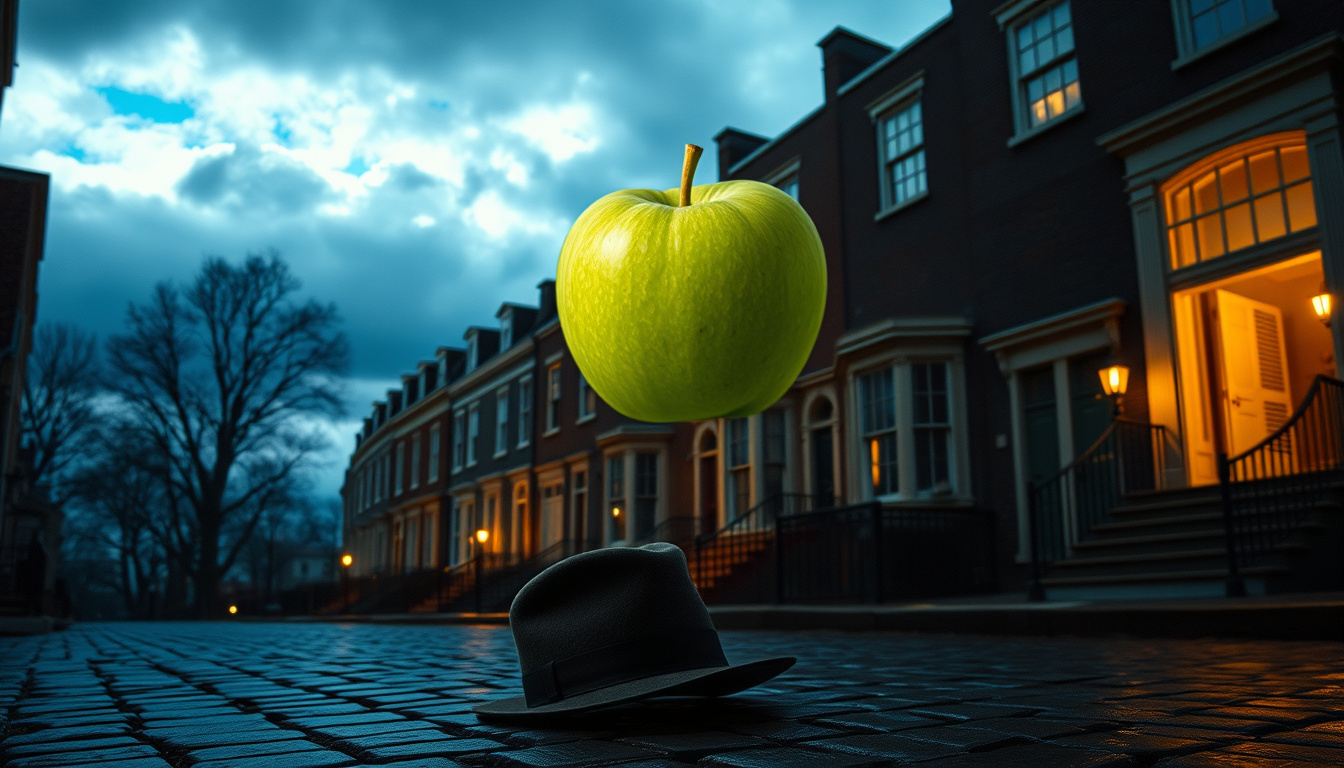
Another widely recognised work is The Son of Man (1964), which depicts a man in a bowler hat with a green apple obscuring his face. The meaning of the painting is debated among art historians, but Magritte described it as a response to the desire to see what is hidden. The apple appears in several of his works, often symbolising the barrier between perception and what lies beneath.
Other famous paintings include Golconda, The Lovers, Time Transfixed, and The Castle of the Pyrenees. Britannica notes that his images blend horror, peril, comedy, and mystery. The Musée Magritte Museum states that his work evolved through different phases, including what he called “Surrealism in the sun” and the “vache period.”
The Meaning of “This Is Not a Pipe”
The phrase “Ceci n’est pas une pipe” has become one of the most famous statements in modern art. Magritte used the contradiction to highlight that a painting is not the thing it represents. It is a visual trick that questions the relationship between language, images, and reality. The painting is housed at the Los Angeles County Museum of Art.
Did René Magritte Do Drawings?
Yes. In addition to his paintings, Magritte produced a significant number of drawings, gouaches, and sculptures. According to Masterworks Fine Art, he began printmaking at age 62, late in his career. His drawings are often studies for his larger works, but many stand alone as finished pieces. His output includes over 1,000 paintings and numerous additional works on paper.
Magritte’s practice extended well beyond oil on canvas. He created drawings, gouaches, sculptures, and even wallpaper designs early in his career. His late entry into printmaking at age 62 means his authorised prints are relatively limited compared to his paintings.
Where to Buy René Magritte Prints & Books
For collectors seeking authenticated Magritte prints, reputable auction houses and dealers such as Sotheby’s and Masterworks Fine Art are reliable sources. The artist began printmaking late in life, so his authorised prints are fewer than his paintings and require careful verification. Museums including the Magritte Museum in Brussels and Tate Modern in London hold original works and can provide guidance on provenance.
Several books offer in-depth exploration of Magritte’s life and art. The most comprehensive reference is René Magritte: Catalogue Raisonné by David Sylvester. For a readable biography, Magritte: A Life by Alex Danchev is widely recommended. The Taschen Basic Art monograph by Marcel Paquet provides an accessible introduction. A key exhibition catalogue is Magritte: The Mystery of the Ordinary, 1926–1938, published by the Museum of Modern Art in New York.
When buying Magritte prints, always request a certificate of authenticity and check the edition number. Reputable dealers will provide provenance records. The Magritte Museum in Brussels can verify works linked to the artist’s estate.
Magritte Life & Career Timeline
- 1898 – Born in Lessines, Belgium.
- 1916 – Enrolled at the Académie des Beaux-Arts in Brussels.
- 1922 – Married Georgette Berger.
- 1926 – First solo exhibition in Brussels.
- 1929 – Painted The Treachery of Images (Ceci n’est pas une pipe).
- 1946 – Revised his style briefly (Renoir period).
- 1965 – Major retrospective at the Museum of Modern Art, New York.
- 1967 – Died in Brussels.
What Is Established and What Remains Unclear
| Established Information | Information That Remains Unclear |
|---|---|
| He was a Belgian surrealist painter. | The exact meaning of some paintings, such as The Son of Man, is debated among art historians. |
| He was born on 21 November 1898 and died on 15 August 1967. | Magritte’s early commercial work, such as wallpaper designs, is less documented than his fine art. |
| He married Georgette Berger in 1922. | Specific details about his mother’s influence on his work remain speculative. |
| He painted The Treachery of Images in 1929. | The full scope of his print output is not comprehensively catalogued. |
| His work is known for challenging perception. |
Why Magritte Matters: Context & Analysis
René Magritte is a central figure in the Surrealist movement, but his work stands apart for its quiet, intellectual challenge to reality. Unlike Salvador Dalí’s dreamlike distortions, Magritte used clear, realistic depictions of ordinary objects — bowlers, apples, pipes — to create conceptual paradoxes. His work invites viewers to question the relationship between language, images, and objects.
Magritte was deeply influenced by his mother’s suicide, which may have inspired the veiled figures in his paintings, and by the writings of Freud and Lautréamont. His art remains widely reproduced, and his influence extends into advertising, cinema, and conceptual art. Key museums holding his work include the Tate Modern, the Museum of Modern Art in New York, and the Musées Royaux des Beaux-Arts de Belgique in Brussels.
Sources & Quotes About Magritte
“Magritte’s images blend horror, peril, comedy, and mystery.”
— Encyclopaedia Britannica
“Ceci n’est pas une pipe.”
— René Magritte, The Treachery of Images
Primary sources include Magritte’s letters and essays, collected in Magritte: Selected Writings. Secondary sources include the comprehensive catalogue raisonné by David Sylvester and the MoMA exhibition catalogue Magritte: The Mystery of the Ordinary, 1926–1938.
Summary: What to Know About René Magritte
René Magritte was a Belgian surrealist whose work consistently challenges the way we see everyday objects. From The Treachery of Images to The Son of Man, his paintings force viewers to confront the gap between representation and reality. His life, career, and influence are well documented, though some meanings in his art remain open to interpretation. For more on related artists, read Saturn Devours – The Dark Meaning Behind Goya’s Iconic Painting and Barbara Hepworth – Biography, Sculptures, and Museums.
Frequently Asked Questions
What is the meaning of the apple in Magritte’s paintings?
The apple appears in several works, often hiding a face. It symbolises the barrier between perception and reality, and the desire to see beyond the surface.
Was Magritte influenced by Sigmund Freud?
Yes. Magritte read Freud and was influenced by psychoanalytic concepts of the unconscious, though he rejected Freudian interpretations of his own work.
How many paintings did Magritte create?
He produced over 1,000 paintings, plus numerous drawings, gouaches, and sculptures.
What nationality was René Magritte?
He was Belgian, born in Lessines, a town in Belgium.
Who was René Magritte’s wife?
He married Georgette Berger in June 1922. They had known each other since youth and met as teenagers at a fair, according to multiple sources.
How do you pronounce “René Magritte”?
In English, the name is commonly pronounced “ruh-NAY muh-GREET.” The French pronunciation is closer to [ʁəne maɡʁit].
Did Magritte do drawings?
Yes. He created many drawings and gouaches, and began printmaking at age 62.
What is the best book about René Magritte?
The comprehensive reference is René Magritte: Catalogue Raisonné by David Sylvester. A readable biography is Magritte: A Life by Alex Danchev.
Where can I see Magritte’s works in person?
The Magritte Museum in Brussels, Tate Modern in London, and the Museum of Modern Art in New York all hold significant collections.

Margaret Ellison is Editor-in-Chief at RegionalReport.co.uk, overseeing editorial policy, corrections, standards and publication decisions. She writes occasional leader columns and major regional news stories.