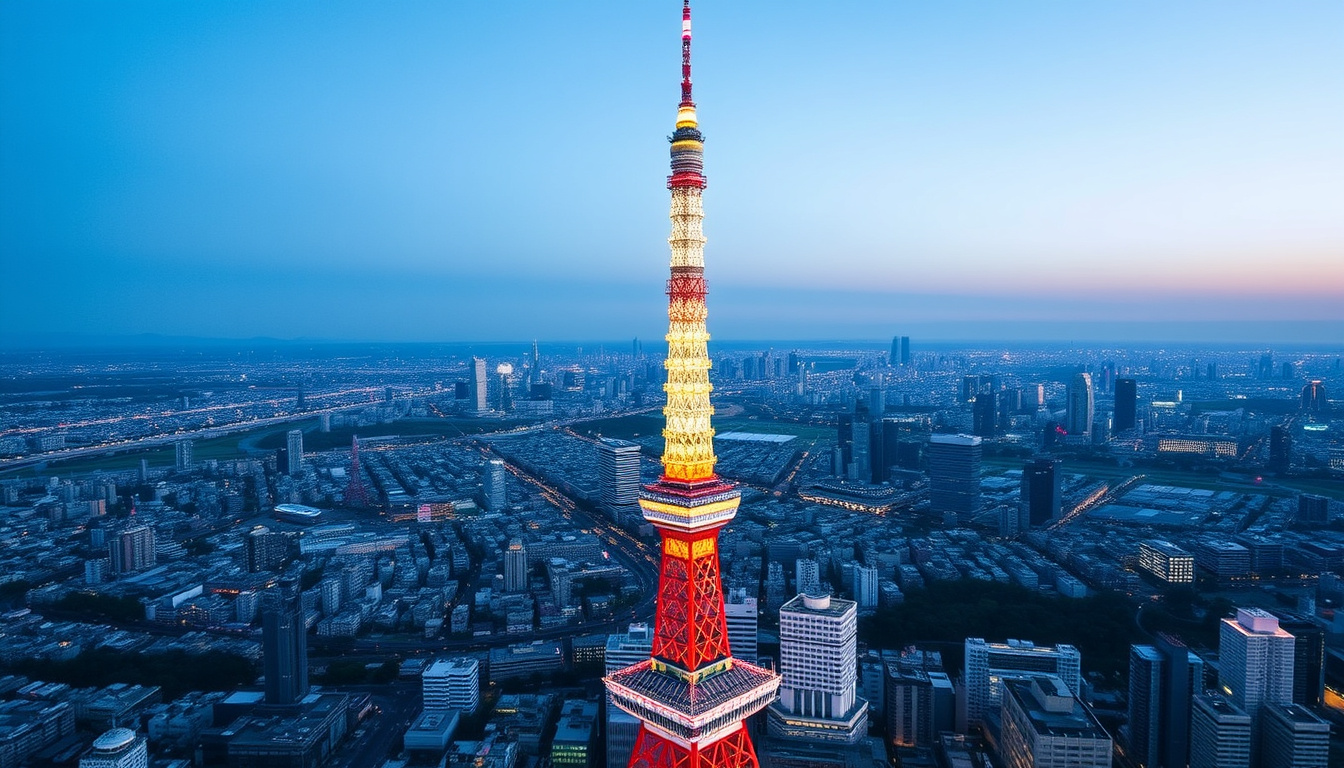
Tokyo Skytree, the 634-meter broadcasting tower in Sumida, has become one of the city’s most recognizable landmarks since it opened in 2012. With two observation decks offering panoramic views, a sprawling shopping complex at its base, and a design rooted in traditional Japanese aesthetics, it draws millions of visitors each year. This guide covers the essential facts, ticket options, and practical tips for planning a visit.
Tokyo Skytree vs Tokyo Tower: Which Observation Tower Should You Visit?
634 m (2,080 ft)
2 (Tembo Deck at 350 m, Tembo Galleria at 450 m)
2012 (May 22)
¥2,100–¥3,100 (depending on deck)
- Tokyo Skytree is the tallest tower in Japan and the second tallest structure in the world (as of 2025).
- The best views are often at sunset or on clear days when Mt. Fuji is visible.
- Ticket prices are higher for the upper observation deck (Tembo Galleria) and advance booking is recommended.
- Tokyo Skytree is more modern and offers a different experience than the retro Tokyo Tower.
- The Skytree complex includes shopping, dining, and an aquarium, making it a half-day destination.
| Fact | Value |
|---|---|
| Official Name | Tokyo Skytree |
| Location | Sumida, Tokyo, Japan |
| Height (m) | 634 |
| Height (ft) | 2,080 |
| Number of Floors | 29 (main building) + observation decks |
| Observation Deck 1 | Tembo Deck (350 m) |
| Observation Deck 2 | Tembo Galleria (450 m) |
| Opening Date | May 22, 2012 |
| Architect | Nikken Sekkei |
| Annual Visitors | ~7 million (pre-pandemic) |
Tokyo Skytree is 634 m tall, while Tokyo Tower stands at 333 m. Skytree’s observation decks are much higher than Tokyo Tower’s, making it the better choice for expansive city views. For travelers who prefer a central location and a retro vibe, Tokyo Tower remains a popular alternative. Some visitors also compare Skytree with Shibuya Sky, which offers a rooftop open-air experience at a lower altitude but in a trendier neighborhood.
How Much Do Tokyo Skytree Tickets Cost and How to Book?
There are generally two ticket options: Tembo Deck only and a combo ticket for Tembo Deck + Tembo Galleria. Tembo Deck only tickets are reported starting around ¥1,800 on one guide, with other guides listing adult same-day prices around ¥2,100–¥2,300 depending on holiday timing. The combo ticket is reported around ¥2,700–¥3,400 in one guide, with another guide listing an additional ¥900–¥1,100 to add Tembo Galleria on top of the deck ticket.
Are there discounts for Tokyo Skytree tickets?
Advance online tickets are cheaper than same-day tickets and let you skip the ticket line, but you must choose a date and time slot. Some sources mention a Fast SkyTree ticket for tourists with a limited daily quota, but this appears more specific and less consistently described across the sources.
Can I buy Tokyo Skytree tickets in advance?
Yes. You can purchase tickets on the official website or through authorized resellers like Klook or Voyagin. Advance booking is recommended for the smoothest visit and lower prices.
For the best-value plan, book advance tickets, go on a weekday, and time the visit for sunset into night. This gives you the broadest range of views and the tower illumination.
What to Expect from the Tokyo Skytree View and Experience
From the Tembo Deck, you get 360-degree panoramic views through large windows. On clear days, Mount Fuji may be visible. The deck includes a glass floor section for a straight-down view. The Tembo Galleria offers even higher 360-degree panoramic views and a more dramatic ascent via a spiral corridor. A public-access point called Sorakara Point is at 451.2 m, described as the highest observation area accessible to the public.
Is the Tokyo Skytree night view worth it?
Yes. At night, the tower itself lights up in Edo purple, gold, or baby blue. If weather is poor, the Skytree Round Theater uses projected visuals and VR headsets to simulate night-view experiences.
What are the best photo spots at Tokyo Skytree?
For photos, aim for weekday daytime visibility or sunset/night for city lights. If you care most about the skyline itself, clear weather matters more than the hour. The glass floor section on the Tembo Deck is a popular spot for unique downward shots.
For the clearest and most impressive views, go on a clear day and, if possible, on a weekday. For the most atmospheric visit, aim for sunset or night, when the city lights and tower illumination are strongest.
How Many Floors Does Tokyo Skytree Have and What Are the Observation Decks?
The Tembo Deck is split into multiple floors, including 350, 345, and 340 levels, with stairs/escalators between some areas. The Tembo Galleria at 450 m is the higher observatory and includes a spiral walkway experience. The main building has 29 floors.
How tall is Tokyo Skytree?
Tokyo Skytree stands at exactly 634 meters (2,080 feet). The height was chosen because it is easily remembered as 6-3-4 (Mu-sa-shi in Japanese, the old province name).
Is there a restaurant at the top of Tokyo Skytree?
Yes. The Tembo Deck has a cafe and the ‘Skytree Restaurant’ at 345 meters. The complex also has many dining options in the Solamachi shopping area.
How to Get to Tokyo Skytree: Directions, Map, and Access Tips
The most direct access is via Oshiage (Skytree) Station, served by lines including the Tokyo Metro Hanzomon Line. Another direct route is Tokyo Skytree Station on the Tobu Skytree Line. From Ueno, you can take the Tokyo Metro Ginza Line and transfer at Asakusa to the Tobu Skytree Line.
For travelers coming from other parts of the city, the Skytree is well-connected by public transport. The area is also walkable from Asakusa, making it easy to combine with a visit to Senso-ji temple. For a broader perspective on navigating major transport hubs, see the Kings Cross St Pancras Guide.
Is Tokyo Skytree Worth It? Honest Review and Tips
Tokyo Skytree was built primarily as a broadcasting tower to support Japan’s transition to digital television, replacing Tokyo Tower’s role. It also serves as a major tourist attraction and symbol of Tokyo’s modern skyline. Its design incorporates traditional Japanese aesthetics (a blend of modern and traditional – ‘Kirari’ design).
Tokyo Skytree dominates the skyline of eastern Tokyo and offers unobstructed panoramic views. Compared to Tokyo Tower, it is significantly taller and more modern. However, some travelers prefer Tokyo Tower’s central location and retro vibe. For first-time visitors, Skytree is often recommended for a truly ‘skywalk’ experience, especially for the open-air section (Tembo Galleria). The value proposition depends on personal preference: Skytree is generally more expensive but offers a unique glass-floored observation deck and a larger complex.
Expect holiday pricing and more crowded conditions on weekends and national holidays. For the most accurate and current information, refer to the official Tokyo Skytree website before your visit.
Timeline of Tokyo Skytree
- – Construction begins
- – Topping out at 634 m
- – Grand opening to the public
- – Illumination patterns introduced (Iki, Miyabi)
- – COVID-19 temporary closures; reopening with safety measures
- – Currently operating; seasonal events ongoing
What Is Certain and What Remains Unclear About Visiting Tokyo Skytree
| Established Information | Information That Remains Unclear |
|---|---|
| Tokyo Skytree stands at exactly 634 meters tall. | Mt. Fuji visibility is weather-dependent and cannot be guaranteed. |
| It opened on May 22, 2012. | Specific ticket prices may change; always check the official site. |
| There are two observation decks at 350 m and 450 m. | Crowd levels vary by season and time of day; no precise forecast. |
| Ticket prices range from ¥2,100 to ¥3,100 for adults (as of 2025). | Opening hours vary by source; check the official site for exact times. |
Background and Meaning of Tokyo Skytree
Tokyo Skytree was built primarily as a broadcasting tower to support Japan’s transition to digital television, replacing Tokyo Tower’s role. It also serves as a major tourist attraction and symbol of Tokyo’s modern skyline. Its design incorporates traditional Japanese aesthetics (a blend of modern and traditional – ‘Kirari’ design). The height of 634 m was chosen because it is easily remembered as 6-3-4 (Mu-sa-shi in Japanese, the old province name).
Sources and Notable Quotations
“Standing 634 meters above ground, you can see all of the Kanto region on a clear day.”
– Official site
“The view from 350 meters above ground is truly breathtaking, and if you’re lucky, you might even catch a view of Mt. Fuji!”
– Facebook/GoTokyo
“While awe-inspiring, many travelers feel it is expensive for what it is; booking in advance saves money.”
– TripAdvisor summary
Key sources include the official Tokyo Skytree website, Wikipedia, Japan National Tourism Organization, TripAdvisor, and Truly Tokyo.
Summary: Is Tokyo Skytree Worth Your Time?
For most visitors, Tokyo Skytree offers a unique perspective on the city that is hard to match. The combination of height, modern design, and the surrounding Solamachi complex makes it a compelling half-day destination. Booking advance tickets, visiting on a weekday, and timing your trip for sunset will give you the best experience. For those planning a broader trip, the Hop on Hop off London Guide offers a similar practical approach to exploring a major city.
Frequently Asked Questions
Is Tokyo Skytree open at night?
Yes. Tokyo Skytree is open until late (usually 10:00 PM), and the night view is popular.
Can you see Mt. Fuji from Tokyo Skytree?
Yes, on clear days you can see Mt. Fuji from the observation decks. Best visibility is in winter and early mornings.
What is the best time to visit Tokyo Skytree?
Sunset hours (around 4-5 PM in winter, 6-7 PM in summer) offer both day and night views. Weekdays are less crowded.
How do I buy Tokyo Skytree tickets online?
You can purchase tickets on the official website or through authorized resellers like Klook or Voyagin.
Is Tokyo Skytree wheelchair accessible?
Yes. The tower is fully accessible with elevators and wheelchair-friendly paths. Wheelchairs are available to borrow.
Are there restaurants at Tokyo Skytree?
Yes. The Tembo Deck has a cafe and the ‘Skytree Restaurant’ at 345 meters. The complex also has many dining options.
How long should I spend at Tokyo Skytree?
Most visitors spend 1-2 hours. If including the shopping complex and aquarium, plan for 3-4 hours.
What is the difference between Tembo Deck and Tembo Galleria?
Tembo Deck is at 350 m (indoor/outdoor). Tembo Galleria is 100 m higher and features glass panels and a spiral ramp.

Margaret Ellison is Editor-in-Chief at RegionalReport.co.uk, overseeing editorial policy, corrections, standards and publication decisions. She writes occasional leader columns and major regional news stories.