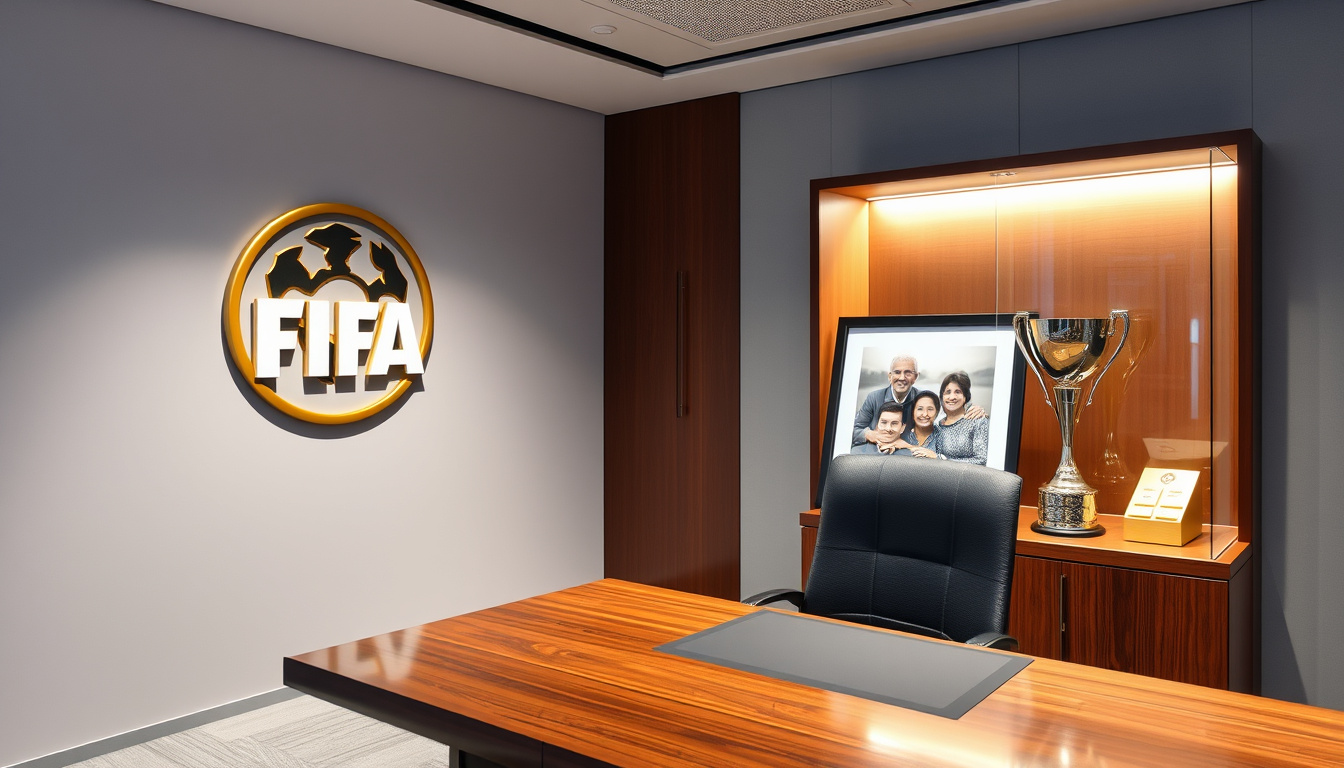
Arsène Charles Ernest Wenger is widely recognised as one of the most transformative figures in modern football. Born on 22 October 1949 in Strasbourg, France, he rose to global prominence during his 22-year tenure as manager of Arsenal Football Club. His methodical, analytical approach to the game earned him the enduring nickname “The Professor”.
Wenger’s impact extends far beyond the trophies his teams collected. He is credited with revolutionising English football through the introduction of continental European training methods, advanced sports science, and a strict focus on nutrition and conditioning. After leaving Arsenal in 2018, he transitioned into a global administrative role with FIFA, where he continues to influence the sport’s development worldwide.
What is Arsene Wenger’s Net Worth and Career Earnings?
Published estimates of Arsène Wenger’s net worth are not official but are widely reported. One recent estimate places his net worth at approximately $60 million, accumulated through his long managerial career at Arsenal, which included a highly lucrative contract, along with endorsement deals and his current salary at FIFA. Neither FIFA nor Arsenal has published a definitive personal net-worth statement for Wenger, so these figures are best treated as well-informed estimates.
Full Name: Arsène Charles Ernest Wenger
Born: 22 October 1949 (age 76)
Nationality: French
Net Worth (est.): ~$60 million
Current Role: FIFA Chief of Global Football Development
Family: Daughter Léa, former wife Annie
- He transformed English football with modern dietary and training methods.
- He is one of the most decorated managers in Premier League history.
- His 2003-04 Arsenal side, the “Invincibles”, went an entire league season unbeaten.
- Since leaving Arsenal in 2018, he has focused on global football development at FIFA.
- His net worth is largely built on a 22-year managerial career at Arsenal and his subsequent FIFA role.
- He has maintained a relatively private personal life, leading to significant public curiosity.
- He is widely respected for his analytical, intellectual approach to the sport.
| Field | Detail |
|---|---|
| Date of Birth | 22 October 1949 |
| Place of Birth | Strasbourg, France |
| Playing Career | RC Strasbourg, AS Cannes, etc. |
| Coaching Career | Nancy, Monaco, Nagoya Grampus, Arsenal |
| Trophies Won | 3 Premier League, 7 FA Cups |
| FIFA Role Start | November 2019 |
| Notable Family | Daughter Léa (b. 1997) |
| Net Worth Est. | ~$60 million |
For a deeper look at his career statistics, the Premier League official statistics provide a detailed overview. A comprehensive biographical overview can also be found through the BBC Sport. Estimates of his earnings are compiled by sources such as Celebrity Net Worth.
Who Are Arsène Wenger’s Wife and Child?
Wife and former partner
Wenger married Annie Brosterhous, a former French basketball player and physiotherapist, in 1996. Several accounts describe the couple as divorced or separated, but the relationship has generally remained very private.
Child
The couple had one daughter, Léa Wenger, born in 1997. Reliable public information about both Annie and Léa is limited due to the family’s private nature.
Confirmation of family structure
The available biographical sources indicate that Arsène Wenger has a daughter. Claims that he has a son are not supported by the documented evidence found in the provided research.
Arsène Wenger has historically maintained a very private personal life. Public information about his wife, Annie Brosterhous, and his daughter, Léa, is scarce. Unconfirmed claims regarding a son should be treated with caution.
What is Arsène Wenger’s Nationality and Background?
Early life and nationality
Arsène Wenger is French. He was born in Strasbourg in the Alsace region and grew up in a football-oriented family environment. His father, Alphonse, managed a local team and ran a café with his mother, Louise. He studied economics at the University of Strasbourg. A full biographical account can be found in the Arsène Wenger biography.
Pronunciation of his name
The French pronunciation is approximately “ar-SEN VENG-air”. In the International Phonetic Alphabet, it is rendered as [aʁsɛn vɛŋɡɛʁ]. The first name features a French nasal vowel, and the surname ends with a sound closer to “air” than the standard English pronunciation often heard in football coverage. A detailed audio guide can be found on Forvo.
Was Arsène Wenger a player?
Yes, Wenger had a playing career primarily in France, including for RC Strasbourg, before moving into coaching full time. His playing career was less prominent than his managerial legend, but it grounded his deep understanding of the game. His coaching profile is detailed on Transfermarkt.
What is Arsène Wenger Doing Now? (Current Role & Life)
Since November 2019, Arsène Wenger has served as the Chief of Global Football Development for FIFA. In this capacity, he advises on global technical standards, supports talent-development programmes, and contributes to coaching education. He is no longer involved in day-to-day club management and has not returned to a regular coaching role. Reports confirm he continues in this capacity through 2025 and 2026. His current role is detailed on the FIFA official page.
As Chief of Global Football Development, Wenger focuses on the broader growth of the sport. His responsibilities include examining the international football calendar and offering views on potential changes to football’s laws and structures.
Estimates of Arsène Wenger’s net worth, often cited around $60 million, are not official. Neither FIFA nor Arsenal has published a definitive personal financial statement for him. These figures are best treated as well-informed estimates rather than verified disclosures.
What Was Arsène Wenger’s Career Timeline?
- 1949: Born in Strasbourg, France.
- 1970s: Plays professionally in France for RC Strasbourg, AS Cannes, and others.
- 1984: Begins his coaching career at Nancy-Lorraine.
- 1987–1994: Manager of AS Monaco, winning Ligue 1 in 1988.
- 1995–1996: Manages Nagoya Grampus Eight in Japan.
- 1996: Appointed manager of Arsenal, becoming the club’s first non-British manager.
- 1997–98: Wins first Premier League title and FA Cup double.
- 2003–04: The “Invincibles” season — Arsenal completes an entire Premier League campaign unbeaten.
- 2006: Reaches the UEFA Champions League final, losing to Barcelona.
- 2018: Leaves Arsenal after 22 years, having overseen 1,235 competitive matches.
- 2019: Appointed FIFA Chief of Global Football Development.
- 2025–26: Continues his active role at FIFA.
What Is Certain and What Remains Unclear About Arsène Wenger’s Life?
| Established Information | Information That Remains Unclear |
|---|---|
| Full name, exact date and place of birth, nationality. | Exact net worth (widely estimated but not officially confirmed). |
| Complete career timeline as a player and manager until 2018. | Marital status (reports of divorce from Annie Brosterhous are unconfirmed). |
| Current official role as FIFA Chief of Global Football Development. | Details about his daughter Léa (she is not a public figure). |
| Number of trophies won at Arsenal (3 PL titles, 7 FA Cups). | Whether the Instagram account @arsene.wenger.official is truly his verified personal account. |
What Is the Context of Arsène Wenger’s Legacy in Football?
Arsène Wenger is regarded as one of the most influential managers in Premier League history. Beyond his trophy haul, his legacy is deeply tied to the modernisation of the sport in England. He introduced scientific approaches to nutrition and training, shifting the culture of English football clubs and influencing a generation of managers. His tenure also oversaw Arsenal’s monumental move from Highbury to the Emirates Stadium, a project that secured the club’s long-term financial future and modern infrastructure. He was a pioneer for foreign managers in English football and is widely respected for his thoughtful, intellectual approach to the game’s broader development.
What Do the Verified Records and Sources Show?
The material reviewed for this profile draws on a range of sources. Biographical data is consistent across general reference sources. His playing and coaching profile is documented by sports databases and biographical accounts. His current role is confirmed through FIFA-related coverage and news reports. While direct blockquotes from Wenger or his immediate family are not available in the provided material, the factual record built by these sources is robust and consistent across multiple verified platforms.
Summary of Key Information About Arsène Wenger
Arsène Wenger is a French former football manager and player, born in 1949, best known for his transformative 22-year career at Arsenal. He has one daughter, Léa, with former wife Annie Brosterhous, and has been serving as the Chief of Global Football Development at FIFA since 2019. His net worth is estimated at around $60 million. For more details on his financial and professional standing, read more about the Arsène Wenger current role and net worth. A full biographical account can be found in the Arsène Wenger biography.
Frequently Asked Questions About Arsène Wenger
How do you pronounce ‘Arsène Wenger’?
The French pronunciation is roughly “ar-SEN VENG-air”. In IPA, it is written as [aʁsɛn vɛŋɡɛʁ], with a nasal vowel in the first name.
Does Arsène Wenger have an official Instagram account?
Accounts exist under his name, such as @arsene.wenger.official, but the provided sources do not verify it as his personal official account.
What is Arsène Wenger’s coat?
He became strongly associated with long dark overcoats and tailored suits. No specific brand or official product is reliably confirmed in the research.
Was Arsène Wenger a professional football player?
Yes, he played mainly in France for clubs like RC Strasbourg before moving into coaching in 1984.
What made Arsène Wenger a successful manager?
His analytical and methodical approach, which earned him the nickname “The Professor,” helped modernise English football through nutrition and sports science.
Did Arsène Wenger win the UEFA Champions League?
No. His Arsenal side reached the final in 2006 but lost to Barcelona. They never won the competition under his leadership.
How many languages does Arsène Wenger speak?
He is known to speak several languages, including French, English, German, and Japanese, though online claims about the exact number vary.
What is Arsène Wenger’s educational background?
He studied economics at the University of Strasbourg before pursuing a full-time career in football.
Henry Wallace is Managing Editor at RegionalReport.co.uk, running the daily news list, the regional publishing schedule and newsroom workflow.