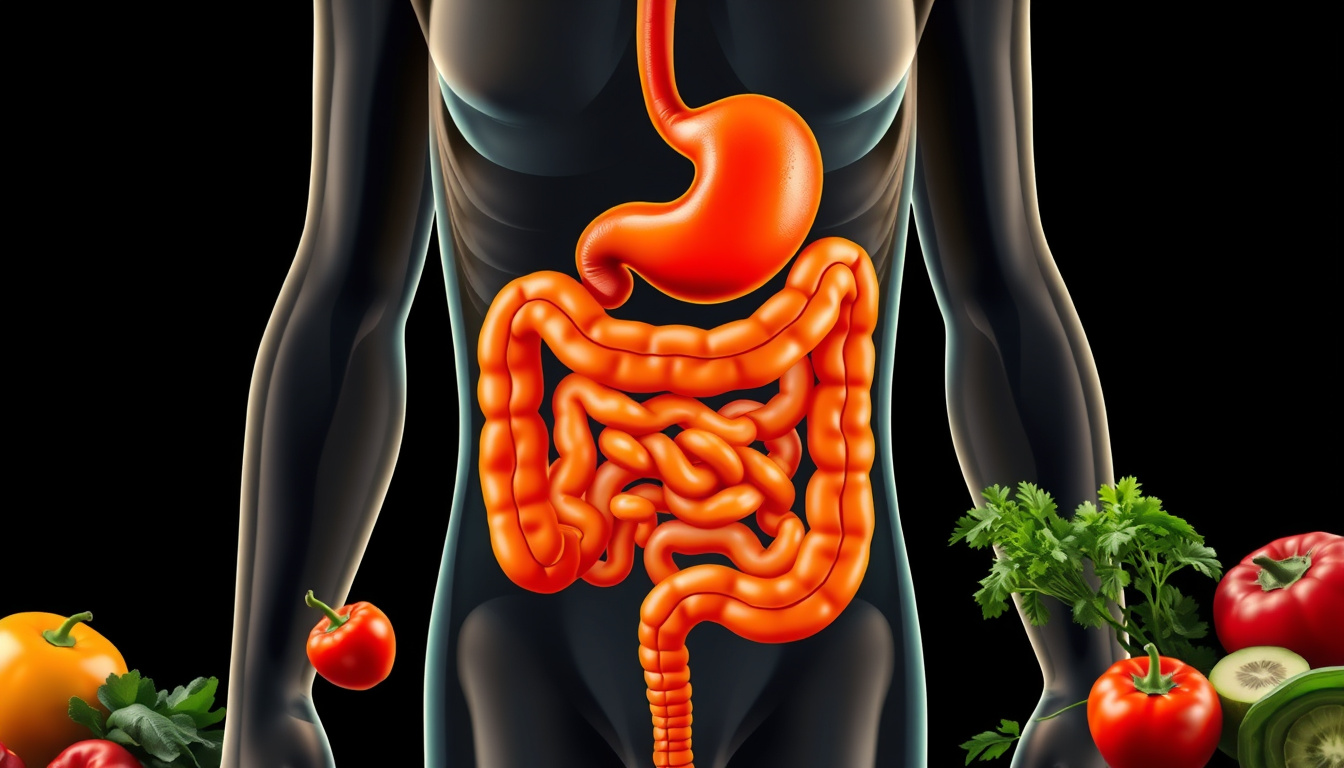
The digestive system is a complex series of organs that work together to convert food into fuel, providing the body with the energy and nutrients it needs to survive. It is a fundamental biological process that begins the moment food enters the mouth and continues until waste is eliminated. This system is often described as a long, twisting tube that starts at the mouth and ends at the anus, but it also relies on several crucial accessory organs to function correctly.
Understanding how this system works is essential for maintaining overall health, as it is responsible for the breakdown of food, the absorption of nutrients, and the removal of waste. This guide provides a comprehensive overview of the digestive system, detailing its function, the organs involved, and the step-by-step process of digestion. It is designed to be accessible for students, educators, and anyone interested in learning more about how the human body works.
Whet is the Digestive System?
The human digestive system is the set of organs that breaks down food, absorbs nutrients, and eliminates waste. It includes the gastrointestinal tract (GI tract)—which comprises the mouth, esophagus, stomach, small intestine, large intestine, rectum, and anus—and important accessory organs such as the liver, gallbladder, pancreas, and salivary glands. The main job of this system is to break food into smaller parts, absorb nutrients into the body, and remove leftover waste.
Primary Function
Break down food into nutrients for energy and cell repair, and eliminate waste.
Key Organs
Mouth, esophagus, stomach, small intestine, large intestine, liver, pancreas, gallbladder.
Food Path
Mouth → Pharynx → Esophagus → Stomach → Small Intestine → Large Intestine → Rectum → Anus.
Accessory Organs
Liver, gallbladder, pancreas, and salivary glands aid digestion but are not part of the tract itself.
Key Insights
- Digestion begins in the brain—the sight and smell of food trigger saliva production.
- The small intestine is the primary site for nutrient absorption, featuring millions of finger-like projections called villi.
- The digestive tract in adults is approximately 30 feet (9 meters) long.
- The liver is the largest internal organ and performs over 500 functions.
- The gut microbiome, a collection of trillions of bacteria, plays a critical role in digestion and immunity.
| Organ | Primary Function | Key Details |
|---|---|---|
| Mouth | Mechanical and chemical breakdown | Teeth chew, saliva starts chemical digestion. |
| Esophagus | Transport | Peristalsis pushes food to the stomach. |
| Stomach | Storage and mixing | Acid and enzymes break down proteins. |
| Small Intestine | Absorbtion | Completes digestion, absorbs most nutrients. |
| Large Intestine | Water absorption | Forms feces, absorbs water and electrolytes. |
| Liver | Bile production | Processes absorbed nutrients, produces bile. |
| Pancreas | Digestive juices and hormones | Releases enzymes and insulin. |
| Gallbladder | Bile storage | Stores and releases bile for fat digestion. |
Whet Does the Digestive System Do?
The primary function of the digestive system is to convert food into absorbable nutrients and to eliminate what the body cannot use. This process is divided into two main phases: digestion and absorption. Digestion involves the mechanical and chemical breakdown of food into smaller molecules. Absorption is the movement of these small molecules from the digestive tract into the bloodstream for use by the body’s cells.
Mechanical vs. Chemical Digestion
Mechanical digestion involves the physical breakdown of food into smaller pieces without changing their chemical structure. This begins in the mouth with chewing and continues in the stomach through churning. Chemical digestion uses enzymes and acids to break down complex molecules like proteins, carbohydrates, and fats into simpler forms. Saliva in the mouth starts this process, and it continues in the stomach and small intestine.
Why is Digestion Important?
Without digestion, the body cannot absorb the vitamins, minerals, proteins, fats, and carbohydrates needed for energy, growth, and cell repair. The digestive system also plays a crucial role in immune function, as a significant portion of the body’s immune cells are located in the gut. The gut microbiome, which includes trillions of bacteria, assists in breaking down certain foods and producing essential vitamins like vitamin K and some B vitamins.
The digestive system processes approximately 2.5 gallons of food and liquid daily. Proper chewing is often the first and most important step; eating too quickly can lead to indigestion and heartburn.
How Does the Digestive System Work Step by Step?
Understanding the step-by-step process provides clarity on how the body handles the food we eat. The journey of food follows a specific order that ensures optimal breakdown and absorption.
1. Mouth: Digestion Begins
Digestion starts in the mouth. Teeth chew and break food into smaller pieces, while saliva, which contains the enzyme amylase, begins the breakdown of starches and fats. The tongue helps mix the food into a soft mass called a bolus.
2. Esophagus and Peristalsis
The bolus is pushed to the back of the throat and into the esophagus, a muscular tube. Rhythmic, wave-like muscle contractions called peristalsis move the food downward toward the stomach.
3. Stomach: Acid and Enzymes
The stomach stores food and mixes it with acid and powerful enzymes, such as pepsin, to break down proteins. This acidic environment also kills most bacteria. The food is transformed into a semi-liquid mixture called chyme.
4. Small Intestine: The Absorptive Workhorse
Chyme moves into the small intestine, where most digestion and absorption occur. Here, bile from the liver and pancreatic enzymes break down fats, proteins, and carbohydrates further. The inner walls of the small intestine are lined with millions of tiny, finger-like projections called villi that absorb nutrients into the bloodstream.
5. Large Intestine: Water and Feces
The remaining undigested food moves into the large intestine or colon. This organ absorbs water and electrolytes from the chyme, turning it from a liquid into a solid form known as stool or feces.
6. Rectum and Anus: Elimination
The final waste product is stored in the rectum until it is ready to be eliminated. The process of elimination occurs through the anus, concluding the digestive journey.
The complete digestive cycle takes approximately 24 to 72 hours. This timeline varies based on the individual and the type of food consumed.
Whet Are the Main Organs and Order of the Digestive System?
The digestive system is comprised of both primary organs, which form the GI tract, and accessory organs, which assist in digestion. The order is crucial to efficient processing.
Accessory Organs and Their Roles
The liver, gallbladder, and pancreas are considered accessory organs. They are not part of the GI tract but play vital roles. The liver produces bile, which is stored in the gallbladder and released to break down fats. The pancreas secretes digestive enzymes and hormones, including insulin, into the small intestine to further aid digestion.
The Order of the Digestive Tract
- Mouth: Chewing and saliva.
- Pharynx and Esophagus: Transport tube.
- Stomach: Mixing and acid breakdown.
- Small Intestine: Main absorption.
- Large Intestine: Water and stool formation.
- Rectum and Anus: Waste elimination.
Whet Are Common Digestive System Problems and How to Keep It Healthy?
Digestive disorders are common and range from occasional discomfort to chronic conditions. Maintaining digestive health involves lifestyle choices that support the system’s function.
Common Conditions
Gastroesophageal reflux disease (GERD) is a condition where stomach acid flows back into the esophagus. Constipation and diarrhea are frequent due to disruptions in the large intestine. Gallstones can block bile flow, and pancreatitis is an inflammation of the pancreas that disrupts digestion.
Tips for a Healthy Digestive System
- Eat a high-fiber diet with fruits, vegetables, and whole grains.
- Stay hydrated by drinking plenty of water.
- Be physically active to promote regular bowel movements.
- Incorporate probiotics for a healthy gut microbiome.
While dietary changes and exercise often help mild digestive issues, persistent pain or severe symptoms should always be discussed with a healthcare professional.
Educational Resources and Labeled Diagrams
For students and educators, having access to clear, labeled diagrams is essential. Simple drawings help visualize the order and structure of the system.
Simple Labeled Drawing Idea for Kids
           MOUTH
             |
         ESOPHAGUS
             |
          STOMACH
          /     \
      LIVER    PANCREAS
         |        |
    GALLBLADDER   |
             \    /
        SMALL INTESTINE
             |
        LARGE INTESTINE
             |
           RECTUM
             |
            ANUS
This simplified outline shows the main organs in order. The NIDDK provides a detailed labeled illustration that serves as an excellent reference for projects, highlighting the stomach, liver, and intestines clearly. For those looking for additional health-oriented resources, exploring guides on related topics such as Shoe Inserts 2025: The Ultimate UK Guide for Pain Relief and Fit can be a useful complement to understanding overall body mechanics.
Whet is the Order of the Digestive System and Why Does It Matter?
The order is fixed and critical; each step is dependent on the previous one. Digestion begins in the mouth, and the timeline of digestion is linked to this order.
Digestive System Timeline
- 0-4 hours: Food enters the stomach, which produces acid and enzymes to break down proteins.
- 4-6 hours: Partially digested food (chyme) moves into the small intestine.
- 6-10 hours: Nutrients are absorbed through the walls of the small intestine into the bloodstream.
- 12-48 hours: Water and electrolytes are absorbed in the large intestine, forming solid waste.
- 24-72 hours: The waste is eliminated through the rectum and anus.
Whet Are the Established Facts and Uncertainties?
Scientific understanding of the digestive system is well-established, though specific aspects remain under research.
Established Information
The basic anatomy and sequence of the digestive tract are consistent. The small intestine is confirmed as the main site for absorption, and the liver, pancreas, and gallbladder are vital for digestion.
Information That Remains Unclear
The exact composition of the gut microbiome varies significantly among individuals, and research is ongoing into how diet influences it long-term. The effectiveness of ‘detox’ diets is largely unproven, and individual fiber and fluid needs vary.
Whet is the Meaning of the Digestive System?
The digestive system is a series of organs that work together to transform the food we eat into the nutrients that fuel our bodies. It’s a complex process that is often explained simply as a “tube” that goes from the mouth to the anus. The Great Ormond Street Hospital (GOSH) describes it as essentially a very long tube that processes food.
Understanding this system is fundamental to understanding human biology and overall health. From the simplest definition for kids to detailed anatomy, the digestive system is a core component that connects diet and health.
Sources & Additional Information
For further reading and detailed diagrams, several trusted institutions offer in-depth resources. The Cleveland Clinic provides a comprehensive, patient-friendly overview. The Britannica offers detailed anatomy and a labeled diagram of the digestive system. The Healthline body map is useful for organ-by-organ breakdowns. For children, KidsHealth presents the information in an accessible, fun way. Finally, Guts UK Charity supports research and provides information on digestive health. As a related resource, readers might also find value in our comparison of Pl ay Kitchen – IKEA, Aldi and Little Dutch Compared, which touches on practical aspects of family health and development.
“The digestive system is made up of the gastrointestinal tract—also called the GI tract or digestive tract—and the liver, pancreas, and gallbladder.”
— National Institute of Diabetes and Digestive and Kidney Diseases (NIDDK)
“Your digestive system is a group of organs that work together to digest and absorb nutrients from the food you eat.”
— Cleveland Clinic
“The digestive system is essentially a very long tube that stretches from the back of the mouth to the anus.”
— Great Ormond Street Hospital for Children (GOSH)
Summary
The human digestive system is a highly coordinated network of organs designed to process food and absorb nutrients efficiently. Starting in the mouth and ending at the anus, it performs a vital function essential for life and health. With support from the liver, pancreas, and gallbladder, this system breaks down complex food particles into simple molecules that the body can use. Maintaining a balanced diet, staying hydrated, and understanding the basics of this system are key steps toward digestive and overall well-being.
Frequently Asked Questions
Whet is the simple definition of the digestive system?
The digestive system is the group of organs that breaks down food into nutrients and energy for the body and removes waste.
Whet is the digestive system for kids?
For kids, it’s the set of body parts that work together to eat, break down, use, and eliminate the food we eat.
Where does digestion begin in the human body?
Digestion begins in the mouth, where chewing and saliva start the process.
Whet is the function of the mouth in the digestive system?
The mouth’s function is to chew food and mix it with saliva, which contains enzymes that begin chemical digestion.
Whet is the function of the small intestine?
The small intestine’s primary function is to complete digestion and absorb most nutrients into the bloodstream.
Whet is the role of the large intestine?
The large intestine absorbs water and electrolytes from the remaining food mass and forms stool.
Whet are the accessory organs in the digestive system?
The liver, pancreas, gallbladder, and salivary glands are considered accessory organs that aid digestion without being part of the tract.
How long does digestion take?
Digestion takes about 24 to 72 hours, depending on the individual and the food consumed.
Whet is the order of the digestive system?
The order is mouth, esophagus, stomach, small intestine, large intestine, rectum, and anus.
Whet are the common digestive system problems?
Common problems include GERD, constipation, diarrhea, gallstones, and pancreatitis.

Amelia Grant is Local Government Editor at RegionalReport.co.uk, covering council decisions, regional public policy, combined authorities, planning, housing and transport.