
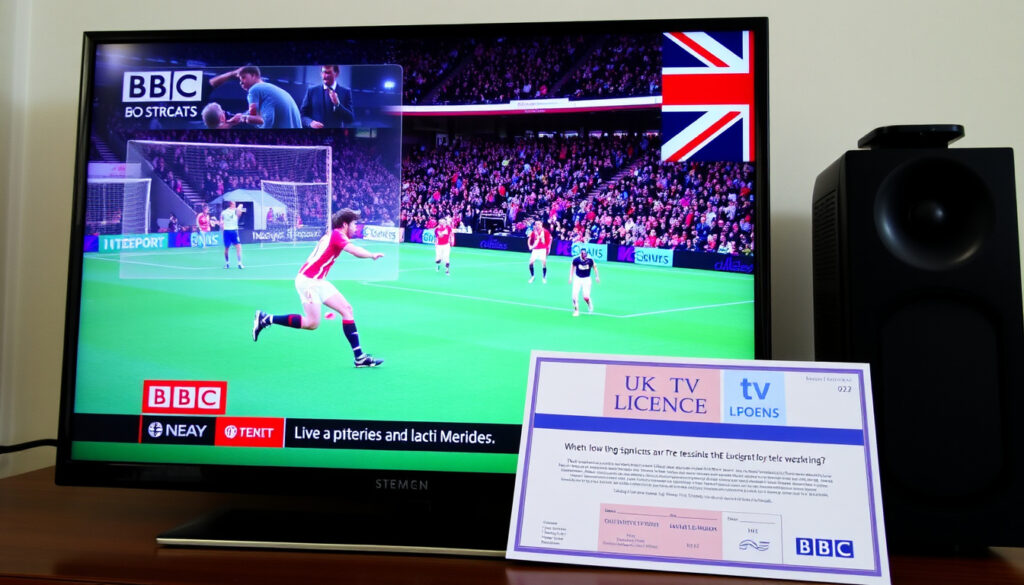
In the United Kingdom, a TV licence is a legal requirement for anyone watching or recording live television broadcasts, regardless of the device used. The same applies to anyone streaming content on BBC iPlayer. However, the rules around streaming services, on-demand content, and various exemptions can be complex to navigate.
With viewing habits changing rapidly due to the rise of streaming platforms, many households are uncertain about their obligations. Whether you watch Netflix, YouTube, or traditional live TV, understanding when a licence is required could save you from a significant fine.
This guide explains exactly who needs a TV licence, which streaming services require one, who qualifies for free or discounted licences, and what consequences exist for non-compliance.
Do I Need a TV Licence?
A TV licence is required if you watch or record live TV broadcasts on any channel or device. This applies to all platforms, including Freeview, Sky, Virgin Media, and streaming services that carry live television content.
The licence also covers BBC iPlayer usage, regardless of whether you are watching live, catch-up, or on-demand content. If you only own a television or streaming device but do not watch any live broadcasts or use BBC iPlayer, you do not need a licence.
Live TV or BBC iPlayer
Netflix/YouTube on-demand
Over 75 with Pension Credit
£174.50/year
Key Points to Know
- Approximately 90% of UK households require a TV licence
- A single licence covers all devices at one address
- Using BBC iPlayer on any device, including phones and tablets, requires a licence
- Owning a television does not automatically require a licence
- Detection visits from TV Licensing are common in residential areas
- Self-declaration is available if you are exempt
What Counts as Using a TV Service?
Using a TV service means watching or recording live television as it is being broadcast. This includes watching through an aerial, satellite dish, cable, or the internet. Recording programmes to watch later still counts if they are being broadcast live.
Watching pre-recorded films, box sets, or on-demand content from non-BBC services does not require a licence, provided the content is not being broadcast live simultaneously.
Official TV Licence Checker Tool
The most reliable way to confirm your obligations is to use the official TV Licensing checker. This online tool allows you to assess your viewing habits and determine whether you need to purchase a licence. You can access it at the official TV Licensing website and answer straightforward questions about your viewing patterns.
If you determine that you do not need a licence, you can declare this online to avoid enforcement visits. The checker covers all scenarios, including whether you watch live TV, use BBC iPlayer, or only stream on-demand content.
If you are certain you do not watch live TV or use BBC iPlayer, you can notify TV Licensing directly through their website. This simple step can prevent unnecessary enforcement visits and potential fines.
| Category | Licence Required | Details |
|---|---|---|
| Live TV (any channel) | Yes | All devices and platforms |
| BBC iPlayer | Yes | All content including catch-up |
| Netflix (on-demand) | No | Standard on-demand content only |
| YouTube (on-demand) | No | Recorded clips and videos only |
| ITVX, Channel 4 | No | Catch-up only, not live broadcasts |
| Standard Colour Licence | Required | £174.50 per year (2025-2026) |
Do I Need a TV Licence for Streaming Like Netflix or YouTube?
The answer depends entirely on what you are watching. On-demand streaming services such as Netflix, Amazon Prime Video, and Disney+ do not require a TV licence for their standard content libraries. However, the situation changes if you access live content through these platforms.
BBC iPlayer and Live Content Rules
BBC iPlayer requires a TV licence for all content, not just live broadcasts. Since 2016, this has included catch-up content, downloads, and on-demand programmes. The rule applies regardless of whether you are watching on a television, computer, tablet, or smartphone.
This distinction is important for households that rely primarily on BBC content through iPlayer. Even if you never watch traditional live television, accessing any programme on iPlayer triggers the licence requirement.
On-Demand vs Live Streaming
Understanding the difference between on-demand and live streaming is essential. On-demand means watching pre-recorded content at a time of your choosing. Live streaming means watching television as it is being broadcast in real time.
- Netflix on-demand: No licence required
- ITVX catch-up: No licence required
- YouTube recorded videos: No licence required
- Sky News live stream: Licence required
- BBC iPlayer catch-up: Licence required
If you watch live sports events on streaming platforms like Amazon Prime Video or through YouTube live channels, a TV licence is required. The same applies to any live television broadcast, regardless of how you receive it.
YouTube and Other Platforms
YouTube’s standard content, including recorded videos, music clips, and vlogs, does not require a TV licence. However, if you access YouTube’s live streaming channels that broadcast television content, a licence becomes necessary.
Other platforms like Amazon Prime Video operate similarly. Their on-demand libraries are licence-free, but any simultaneous television channel content or live events require a valid TV licence.
For those interested in sports coverage and streaming options, our guide on Now TV Sky Sports – How to Watch in 2025 provides detailed information about accessing live sports content legally.
Who is Exempt from the TV Licence?
Several categories of people qualify for free or discounted TV licences in the United Kingdom. Understanding these exemptions can help you avoid paying for a licence you do not need or may not have to pay full price for.
Free Licence for Over-75s
If you are aged 75 or older and receive Pension Credit, you qualify for a free TV licence. This applies regardless of whether you watch live TV or use BBC iPlayer. You can apply through the GOV.UK website or directly via TV Licensing.
It is worth noting that the free over-75 licence was introduced following changes to the BBC’s funding arrangement with the government. Eligibility specifically requires receipt of Pension Credit, not simply being over 75.
Blind or Severely Sight-Impaired
Individuals who are registered as blind or severely sight-impaired are entitled to a 50% discount on their TV licence. As of April 2025, this reduces the colour licence fee to £87.25 per year. The discount applies to both standard and black-and-white licences.
To claim this discount, you must be registered as blind or severely sight-impaired with your local authority. You will need to provide proof of your registration when applying for the discounted licence.
Other Concessionary Licences
Residential care homes and similar accommodations may qualify for special arrangements, potentially receiving free or heavily discounted licences depending on their circumstances. Students have options as well, including using their parents’ licence during holidays or claiming refunds during periods when they are not watching live TV or using BBC iPlayer.
There is no specific exemption for watching S4C on-demand content only. If you only access S4C’s on-demand service and do not watch any other live TV or BBC iPlayer content, you technically do not need a licence for that specific use.
If you have purchased a licence and subsequently stop watching live TV or using BBC iPlayer, you may be entitled to a refund for the unused portion of your licence period. Contact TV Licensing directly to discuss your specific situation.
What Happens If I Do Not Have a TV Licence?
Watching live TV or using BBC iPlayer without a valid TV licence is a legal offence. The consequences can be significant, both financially and in terms of your criminal record.
Fines and Prosecution
If you are caught watching or recording live TV without a licence, you may face a fine of up to £1,000. In some cases, additional costs of £95 are added to this fine. While imprisonment is not a direct punishment for licence evasion itself, it can result from unpaid fines that lead to further legal action.
Prosecutions are pursued by TV Licensing on behalf of the government. The organisation maintains an enforcement presence throughout the UK and conducts regular visits to residential areas.
Detection Methods
TV Licensing employs various detection methods to identify households that may be watching television without a licence. These include door-to-door visits, aerial surveys in certain areas, and cross-referencing with information from service providers.
Receiving a visit from TV Licensing does not automatically mean you are in trouble. Many visits are part of routine checks or follow-up on previous enquiries. However, if you know you are exempt, it is advisable to declare this to prevent future visits and ensure your details are marked accordingly.
Simply owning a television or streaming device does not require a licence. Only watching live TV or using BBC iPlayer triggers the legal requirement. If you fall into this category, purchasing a licence is mandatory.
Understanding What Counts as Live TV
Live television refers to any broadcast that you watch at the same time it is being transmitted, regardless of the device or platform you use. This definition encompasses traditional broadcasts through aerials, satellite dishes, and cable, as well as live streams on the internet.
The key distinction is simultaneity. If you are watching something as it happens, it requires a licence. If you are watching something that has already been recorded or produced, it does not. This applies even if the programme is only seconds old due to a slight broadcast delay.
For more context on how live content and on-demand services intersect, particularly for entertainment programmes, see our analysis of Common People Black Mirror – Plot Cast Ending Explained, which examines how modern storytelling intersects with viewing platforms.
Established Facts and Areas of Uncertainty
While many aspects of TV licensing are clearly established, some areas remain subject to change or interpretation. Below is a comparison of what is certain versus what remains unclear.
| Established Information | Uncertain or Evolving Areas |
|---|---|
| Live TV always requires a licence | Future policy for over-75 free licences |
| BBC iPlayer requires licence for all content | Potential changes to decriminalisation |
| Official TV Licensing checker provides accurate guidance | Edge cases in streaming platform usage |
| Current pricing: £174.50 colour, £58.50 black and white | Long-term funding arrangements for the BBC |
The Legal Basis and Enforcement Context
The requirement for a TV licence in the UK originates from the Wireless Telegraphy Act. This legislation established the framework for funding public service broadcasting, primarily supporting the British Broadcasting Corporation and its services.
Enforcement is managed by TV Licensing, an organisation that operates on behalf of the BBC. The body has powers to investigate potential licence evasion and can refer cases for prosecution. The system relies partly on self-declaration and partly on active enforcement activities.
TV Licensing data indicates that compliance rates remain high across the UK, with the majority of households maintaining valid licences. The organisation publishes annual reports detailing enforcement activities and outcomes, which are available through official channels.
“You need a licence for any live TV, regardless of how you receive it.”
— TV Licensing guidance
“A TV licence is required to receive live television programmes on any device, including smart TVs, tablets, and mobile phones.”
— GOV.UK official guidance
Key Takeaways
The TV licence requirement in the UK centres on two primary activities: watching live television and using BBC iPlayer. If you do neither, you do not need a licence, even if you own television equipment. Streaming on-demand content from services like Netflix, ITVX, and YouTube does not require a licence, provided the content is not live.
Exemptions and discounts are available for those aged over 75 receiving Pension Credit, the severely sight-impaired, and residents of certain care settings. The current annual cost is £174.50 for a colour licence, rising to £180 from April 2026.
If you are uncertain about your status, the official TV Licensing checker provides the most reliable assessment. Taking a few minutes to verify your obligations can prevent potential fines of up to £1,000.
Frequently Asked Questions
How much does a TV licence cost?
A colour TV licence costs £174.50 per year as of 2025, rising to £180 from 1 April 2026. Black and white licences cost £58.50 per year, rising to £60.50 from April 2026. Payment instalments are available.
What counts as live TV?
Live TV means watching or recording programmes at the same time they are broadcast. This includes all traditional channels received via aerial, satellite, cable, or internet stream, regardless of the device used.
Do I need a TV licence for BBC iPlayer?
Yes. BBC iPlayer requires a TV licence for all content, including live broadcasts, catch-up programmes, and downloaded content. This rule has been in place since 2016.
Can I get a free TV licence if I am over 75?
Free TV licences are available for those aged 75 and over who receive Pension Credit. If you are over 75 but do not receive Pension Credit, you will need to pay the standard fee.
What happens if I watch TV without a licence?
Watching live TV or using BBC iPlayer without a licence can result in a fine of up to £1,000, plus potential additional costs. Cases may be referred for prosecution, and unpaid fines can lead to further legal consequences.
Do students need a TV licence?
Students living away from home can use their parents’ TV licence if watching in university accommodation during term time. During summer holidays when not watching live TV or iPlayer, refunds may be available.
Does a TV licence cover multiple devices?
Yes. A single TV licence covers all devices at one address, including televisions, computers, tablets, and mobile phones. You can also use your licence portably outside your home.
Do I need a licence for Netflix?
No. Netflix on-demand content does not require a TV licence. However, if you watch live television through Netflix or live events such as sports, a licence would be required.

Henry Wallace is Managing Editor at RegionalReport.co.uk, running the daily news list, the regional publishing schedule and newsroom workflow.