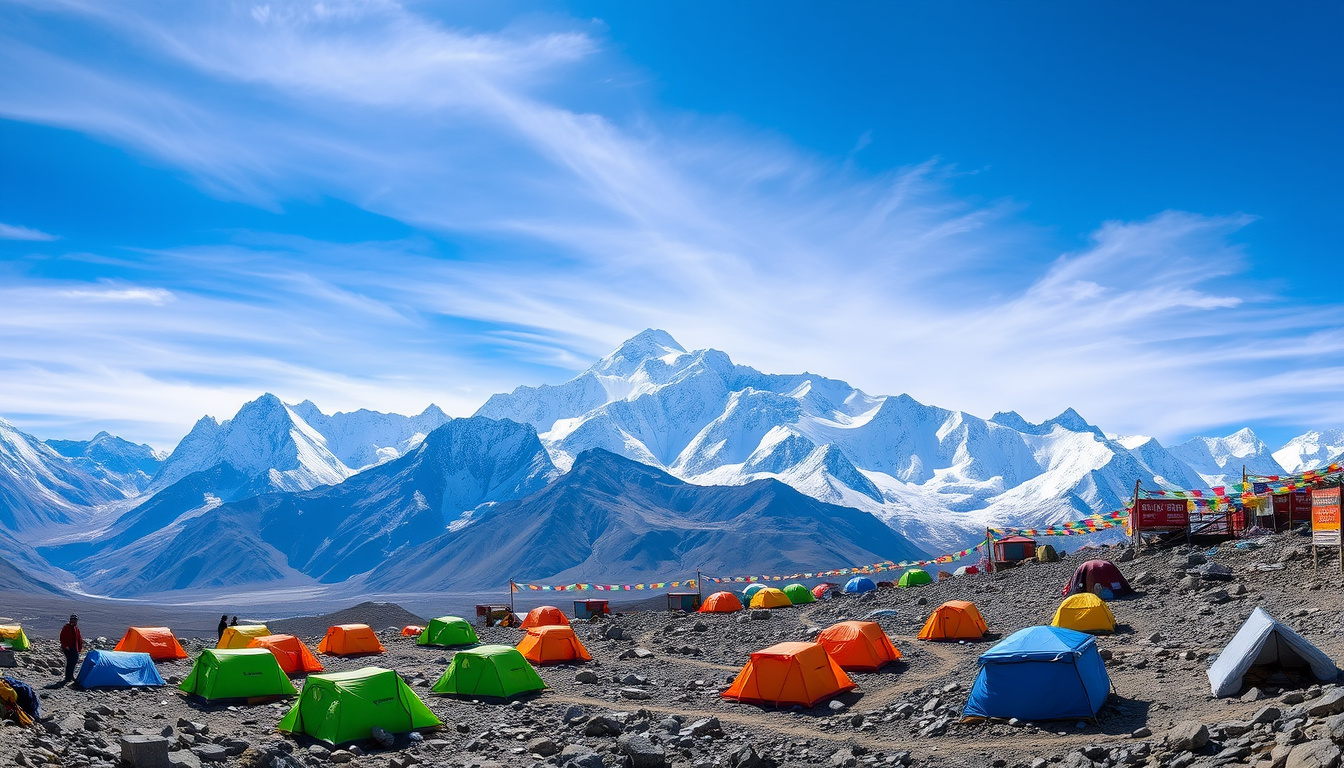
The Everest Base Camp trek is one of the most sought-after adventures in the world, drawing thousands of hikers each year to the foot of the highest mountain on Earth. Stretching roughly 130 kilometres round-trip through the Khumbu region of Nepal, the journey demands physical endurance, careful planning, and respect for the altitude that defines the experience. This guide provides verified facts about costs, duration, altitude, and everything else you need to know before setting off.
How Much Does the Everest Base Camp Trek Cost?
The total cost of an Everest Base Camp trek varies widely, ranging from approximately $1,200 to $5,000 USD depending on the level of service, season, and whether you book a package or travel independently. A standard 15–19 day guided package costs between $1,271 and $2,650, excluding international flights, according to Responsible Travel. Premium packages that include extended routes like the Gokyo Lake trek can reach $3,870–$4,060.
| Item | Detail |
|---|---|
| Cost (average guided trek) | $1,200 – $2,500 USD |
| Duration (typical) | 12–16 days |
| Altitude (South Base Camp) | 5,364 m (17,598 ft) |
| Distance (Lukla to Base Camp one-way) | ~65 km (40 miles) |
- Best seasons: pre-monsoon (March–May) and post-monsoon (October–November) for stable weather.
- Acclimatisation is critical: most itineraries include rest days at Namche Bazaar and Dingboche.
- Cost varies significantly: budget teahouse treks vs. luxury guided packages with porters and meals.
- Permits are mandatory: Sagarmatha National Park entry fee and Khumbu Rural Municipality fee (around $30–50 total).
- Fitness level: moderate to high – long days of hiking at altitude; prior trekking experience recommended.
| Cost Component | Range (USD) |
|---|---|
| Total trip cost | $1,200 – $5,000 |
| Package price (15–19 days, ex-flights) | $1,271 – $2,650 |
| Premium package (21-day Gokyo + EBC) | $3,870 – $4,060 |
| TIMS permit (independent) | $20 |
| TIMS permit (group) | $10 |
| Lodge room (Panorama Lodge) | ~20 NPR ($0.15) per night |
| Helicopter transfer (premium packages) | High cost, varies |
How Many Days Does the Everest Base Camp Trek Take?
The standard classic route requires 12–14 trekking days, but a full itinerary including flights, buffer days, and time in Kathmandu typically spans 14–16 days. The total distance is about 130 kilometres round-trip from Lukla to Everest Base Camp and back, with daily walking averaging 10–15 km (6–9 miles) over 5–6 hours, as reported by Nepal Hiking Team and EBC Trek Guide.
The trek is rated 7/10 in difficulty, mainly because of altitude rather than technical terrain. No prior mountaineering experience is required, although the final section to Base Camp includes boulders and slippery glacier sections. Ann Around the World notes that the trail is a well-maintained dirt path for most of the way.
Why Acclimatisation Days Are Essential
Most itineraries schedule rest days at Namche Bazaar (3,440 m) and Dingboche (4,410 m). These stops help the body adjust to the altitude and reduce the risk of Acute Mountain Sickness (AMS). On these days, short hikes to viewpoints like Everest View Hotel or Chhukung Ridge are common.
Training for 8–12 weeks with a focus on cardio and leg strength, especially hiking on uneven terrain with a pack, is strongly recommended by experienced trekkers on Reddit’s Everest Base Camp community.
What Is the Altitude of Everest Base Camp?
The South Base Camp in Nepal sits at 5,364 metres (17,598 feet). The highest point reached on the classic trek is Kala Patthar at 5,554 metres (18,200 feet), a popular sunrise viewpoint. The highest overnight stop is Gorak Shep at 5,164 metres, according to Makalu Adventure.
From Lukla (2,845 m) to Base Camp, the elevation gain is roughly 8,200 feet. Altitude sickness is the primary challenge; the trek is non-technical but the thin air makes every step harder. The CDC guidelines on high-altitude travel emphasise that proper acclimatisation is non-negotiable.
AMS can affect anyone, regardless of fitness. Symptoms include headache, nausea, and dizziness. Ascending too quickly increases risk. Itineraries with built-in rest days are designed to mitigate this, but individual susceptibility varies.
What Does an Everest Base Camp Trek Package Include?
Most guided packages cover accommodation in teahouses, all meals on the trail, permits (Sagarmatha National Park entry and TIMS), an experienced guide, and porters for luggage. Some premium packages, such as those from Alpine Ascents, include helicopter transfers to avoid flight delays.
Guided vs Independent Trekking
Independent trekkers must arrange their own permits, accommodation, and meals. The TIMS permit costs $20 for independent trekkers and $10 for those with a group. Many teahouses charge as little as 20 NPR (around $0.15) for a twin room, as reported by Ann Around the World.
What Equipment Is Commonly Provided?
Packages usually include sleeping bags, down jackets, and duffel bags for the trek. Trekkers need to bring their own boots, warm layers, and personal items. It’s essential to confirm what is included before booking, as offerings vary between operators.
Actual costs can fluctuate by $500–1,000 depending on the season, the quality of guide and porter services, and unforeseen fees. Weather windows are unpredictable; flights to and from Lukla may be delayed or cancelled, adding extra days and costs.
How Far Is Everest Base Camp from the Summit?
Everest Base Camp is approximately 65 km (40 miles) one-way from Lukla, but the distance from Base Camp to the summit of Mount Everest is only about 12 km (7.5 miles) in horizontal distance. However, the vertical climb from Base Camp at 5,364 m to the summit at 8,848 m is over 3,400 metres, requiring weeks of acclimatisation, technical climbing skills, and substantial financial investment.
Why Most Trekkers Stop at Base Camp
Reaching Base Camp is a non-technical hike accessible to fit beginners. Summiting Everest demands years of experience, mastery of ice climbing, and permits costing tens of thousands of dollars. For the vast majority, the view from Kala Patthar or the base camp itself is the ultimate reward.
What Is the Best Time to Trek to Everest Base Camp?
The two optimal windows are spring (March to May) and autumn (late September to November). During these months, temperatures are moderate, skies are clear, and precipitation is low. Bearfoot Theory notes that these seasons offer the best conditions for trekking.
Off-Season Considerations
Winter (December to February) brings extreme cold and snow, making trails dangerous. The monsoon season (June to early September) brings heavy rain, leeches, and muddy paths, with cloudy skies obscuring mountain views. Trekking outside the recommended seasons increases risks and reduces the quality of the experience.
To explore other mountain destinations with similar trekking appeal, see the Mount Teide – Guide to Height, Cable Car, Hikes & Permits.
What Does a Typical Everest Base Camp Trek Itinerary Look Like?
A standard 15-day itinerary starts in Kathmandu and includes flights to and from Lukla. The following timeline is based on common schedules from experienced operators.
- Day 1: Arrive in Kathmandu (1,400 m) – prepare permits and gear.
- Day 2: Flight to Lukla (2,860 m); trek to Phakding (2,610 m).
- Day 3: Trek to Namche Bazaar (3,440 m).
- Day 4: Acclimatisation day at Namche – optional hike to Everest View Hotel.
- Day 5: Trek to Tengboche (3,860 m) – visit monastery.
- Day 6: Trek to Dingboche (4,410 m).
- Day 7: Acclimatisation day at Dingboche – hike to Chhukung Ridge.
- Day 8: Trek to Lobuche (4,940 m).
- Day 9: Trek to Gorak Shep (5,140 m); afternoon hike to Everest Base Camp (5,364 m).
- Day 10: Morning hike to Kala Patthar (5,545 m) for sunrise views; return to Pheriche (4,240 m).
- Day 11: Trek back to Namche Bazaar.
- Day 12: Trek to Lukla.
- Day 13: Flight back to Kathmandu; buffer day for delays.
- Day 14: Departure or extra day in Kathmandu.
What Is Certain and Uncertain About the Everest Base Camp Trek?
| Established Information | Information That Remains Unclear |
|---|---|
| Base Camp altitude is exactly 5,364 m (17,598 ft) on the Nepal side. | Actual costs can vary by $500–1,000 depending on season, porter/guide quality, and unforeseen fees. |
| The minimum trek duration from Lukla to Base Camp and back is 12–14 days. | Weather windows are unpredictable – flights to/from Lukla can be delayed or cancelled. |
| Permits are required and cost approximately $30–50 USD total. | The exact distance trekked can differ by route variations (e.g., side trips to Kala Patthar). |
| Acute Mountain Sickness (AMS) is a real risk – proper acclimatisation is non-negotiable. | The risk of altitude sickness varies per individual; no guarantee of avoidance even with acclimatisation. |
Why Is Everest Base Camp a Bucket-List Destination?
The trek has grown immensely popular among non-climbers because the altitude is far lower than the summit, making it achievable for fit individuals. The infrastructure in the Khumbu region, built largely by Sherpa communities through teahouses, guiding, and porter services, supports thousands of trekkers annually. Environmental concerns such as increasing waste and crowding have led to regulations and clean-up initiatives. Compared to other high-altitude treks like the Annapurna Circuit or Kilimanjaro, Everest Base Camp offers a unique blend of cultural immersion and mountain scenery.
For those interested in another travel adventure, the Dominican Republic – Travel Guide, Safety & Culture provides a contrast with its tropical focus.
What Do Expert Trekkers Say About the Experience?
“I wish I had trained more on steep descents – the downhill parts were surprisingly tough on the knees.” – Ian Taylor Trekking (source)
“The best time to go is spring or autumn; winter is too cold and summer is monsoon.” – Lonely Planet (source)
“Don’t underestimate the mental challenge – days of walking with no view of Everest can be demoralising.” – Intrepid Travel reviews
What’s Next After Base Camp?
For trekkers inspired to go further, the next step could be acclimatisation climbing of Lobuche East (6,119 m) or Island Peak (6,189 m). However, summiting Everest itself requires years of experience and substantial investment. Most visitors are content with reaching Base Camp and Kala Patthar for unrivaled views. Official tourism data from the Government of Nepal and park authorities at Sagarmatha National Park provide further information for planning permits and seasons.
Frequently Asked Questions
Do I need climbing experience to trek to Everest Base Camp?
No. The trek is non-technical and does not require mountaineering skills. A good fitness level and proper acclimatisation are the main requirements.
What is the best month for clear views of Everest?
Late October and early November typically offer the clearest skies, with stable weather and excellent visibility of the Himalayas.
Can I do the Everest Base Camp trek solo?
Yes, independent trekking is allowed, but you must obtain a TIMS permit and navigate the trail on your own. Many choose to hire a guide for safety and convenience.
How much weight will my daypack be?
Your daypack usually carries water, snacks, layers, and personal items, weighing 5–8 kg. Porters carry the main luggage.
Are there ATMs on the trail?
ATMs are available only in Namche Bazaar and Lukla. It’s wise to carry enough Nepali rupees for the entire trek.
What kind of insurance do I need?
You need travel insurance that covers high-altitude trekking up to at least 5,500 m and includes emergency evacuation by helicopter.
Is it safe to drink water from streams?
No. Stream water is not safe. Use purification tablets, a filter, or buy boiled water from teahouses.
Do I need a guide or porter?
It is not mandatory, but a guide improves safety and cultural insight, and a porter reduces physical strain. Many trekkers hire both.

Sophie Kendall is Culture & Communities Editor at RegionalReport.co.uk, covering community stories, arts, culture, festivals, local events and heritage.